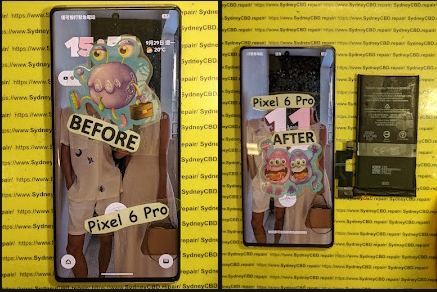
Cracked Phone Screen, Dead Battery: Double Repair, Double Trouble? ⚡ 9 Shocking Truths You Must Know
Introduction
In today’s fast-paced digital world, smartphones have become an essential part of daily life. From managing work and staying connected to capturing memories, we rely on our devices more than ever. That’s why encountering a cracked screen, dead battery problem can feel like a double blow. One moment your phone slips from your hand, and the next you’re dealing with shattered glass and a battery that barely lasts the day.
While a cracked screen and a failing battery may seem like separate issues, they’re often closely connected. Physical impact, internal stress, and increased power consumption can cause these problems to appear together, creating what many users see as “double trouble.” Unfortunately, ignoring one issue while fixing the other usually leads to higher repair costs and reduced phone performance over time.
This article takes a clear, practical look at why cracked screen, dead battery problems happen so frequently, how they affect your device, and what smart repair decisions can save you time and money. Whether you’re deciding between repair or replacement, or simply want to prevent future damage, this guide will help you make informed, confident choices about your smartphone’s health.
A cracked screen, dead battery scenario is more common than most phone owners realize. At first glance, a shattered display and a battery that won’t hold charge may seem unrelated. However, they’re often two sides of the same coin. When a phone is dropped, exposed to pressure, or overheats, both the screen and battery can suffer simultaneously.
Phones today are compact powerhouses. Everything is tightly packed. So when one component fails, stress transfers quickly to others. In many repair cases, technicians discover battery damage only after opening a phone for screen replacement. That’s why ignoring either problem can snowball into bigger, more expensive repairs later.
What’s more, users often keep using their phone despite visible cracks or battery warnings. That’s understandable—we’re attached to our devices. Still, continuing to use a damaged phone can accelerate internal wear. In short, a cracked screen isn’t just cosmetic, and a dead battery isn’t just inconvenient.
Most cracked screens result from drops. That same impact can jolt the battery, loosening connectors or damaging battery cells. Even if the phone keeps working, micro-damage may already be done.
Pressure and Heat Build-Up
A cracked display can compromise the phone’s seal. Dust and moisture sneak in, forcing the battery to work harder. Over time, heat builds up, and battery health declines rapidly.
Power Drain from Touch Malfunctions
When a screen is cracked, ghost touches or unresponsive areas can occur. The phone repeatedly tries to process faulty inputs, increasing power consumption. That extra strain drains the battery faster than usual.
Common User Behaviors That Cause Double Damage
Many users unknowingly worsen a cracked screen, dead battery issue through daily habits:
Continuing to charge overnight with a damaged screen
Using cheap, uncertified chargers
Ignoring overheating warnings
Carrying phones in back pockets or tight bags
These behaviors add pressure to already weakened components. Over time, what could’ve been a simple screen repair turns into a battery replacement too.
How a Cracked Screen Impacts Battery Health
A cracked screen does more than affect visibility—it changes how the phone behaves internally.
Increased Power Consumption
Damaged displays often need more power to maintain brightness or register touch input. That means the battery works overtime, shortening its lifespan.
Short Circuits and Power Leakage
Cracks can expose internal layers of the screen. This exposure increases the risk of electrical leakage, which drains the battery even when the phone is idle.
Heat Retention
Phones rely on intact screens to dissipate heat properly. Once cracked, heat gets trapped, and batteries hate heat. According to general lithium-ion battery research (see insights from sources like Battery University: https://batteryuniversity.com), heat is one of the biggest enemies of battery longevity.
Dead Battery Symptoms You Should Never Ignore
A failing battery rarely dies suddenly. It sends warnings first.
Rapid Power Drain
If your phone drops from 40% to 10% in minutes, that’s a red flag—especially after screen damage.
Unexpected Shutdowns
Phones shutting down at 20–30% battery often indicate internal battery cell damage.
Battery Swelling
In severe cases, batteries swell, pushing against the cracked screen. This is dangerous and should be addressed immediately.
Ignoring these signs doesn’t save money—it usually costs more in the long run.
Repair or Replace? Making the Smart Decision
When facing a cracked screen, dead battery situation, many people ask: Should I just replace the phone?
Cost Comparison: Single vs Double Repairs
Scenario
Approximate Cost
Outcome
Screen only
Moderate
Short-term fix
Battery only
Moderate
Performance improves
Screen + Battery
Cost-effective bundle
Phone feels new
New Phone
High
Data transfer hassle
In most cases, repairing both components together is cheaper than buying a new device. Plus, bundled repairs often come with warranties.
Professional Repair vs DIY Risks
DIY repair videos make it look easy. However, modern smartphones are complex.
Why Certified Technicians Matter
Professional repair centers use calibrated tools, genuine parts, and proper sealing methods. That ensures:
Correct battery calibration
Screen pressure alignment
Waterproofing restoration
DIY repairs often lead to loose connections, further battery drain, or even complete device failure.
Preventing Future Cracked Screen, Dead Battery Issues
Prevention is always better than cure.
Practical Protection Tips That Work
Use tempered glass and quality cases
Avoid extreme temperatures
Replace batteries every 18–24 months
Don’t ignore small cracks—they spread
Simple habits can extend your phone’s life by years.
Frequently Asked Questions (FAQs)
1. Can a cracked screen really cause battery problems?
Yes. A cracked screen increases power consumption, heat retention, and internal stress, all of which degrade battery health.
2. Is it safe to keep using a phone with a cracked screen and dead battery?
Not recommended. It increases the risk of sudden shutdowns, data loss, and battery swelling.
3. Should I replace the battery when fixing a cracked screen?
Often, yes. Combined repairs are cost-effective and restore optimal performance.
4. How long does a combined repair usually take?
At professional centers, most screen and battery replacements are completed the same day.
5. Will repairing both parts make my phone feel new again?
In many cases, absolutely. Users often report better performance, battery life, and responsiveness.
6. Is professional repair better than upgrading my phone?
If the phone is less than 3–4 years old, professional repair is usually the smarter choice.
Conclusion: Double Trouble or Smart Opportunity?
A cracked screen, dead battery situation might feel like double trouble at first. However, with the right approach, it’s an opportunity to restore your phone’s performance without the high cost of replacement. Addressing both issues together saves time, money, and frustration.
Phones are investments. Treating them with timely, professional care ensures they serve you longer and better. Instead of waiting for complete failure, act early—and smartly.
David from Sydney CBD Repair Centre – The Best place to fix mobile phones as 7 Years In A Row! Top Mobile Phone Repair In Sydney. More than 2000 Positive Reviews on Google and Same Day Repairs.
We take pride in delivering exceptional repair services for all major phone brands including Apple, Samsung, Google, and more. Our expert technicians use only genuine parts and offer 90 days warranty on repairs. Located in the heart of Sydney CBD, we’re your one-stop solution for all mobile device repairs.
Our commitment to excellence has earned us the trust of thousands of satisfied customers. Whether it’s a cracked screen, battery replacement, or water damage repair, we handle it all with professional care and expertise. Walk in today and experience why we’re Sydney’s #1 choice for mobile phone repairs.
Visit us for:
✓ Same Day Express Repairs
✓ Genuine Parts Guarantee
✓ Professional Technicians
✓ Competitive Pricing
✓ 2000+ 5-Star Google Reviews
✓ 7-Time Award Winner for Best Phone Repairs
The Fake Screen Trap: Comparing Sydney CBD Genuine Parts vs Cheap Online Imports – 9 Shocking Truths Every Phone Owner Must Know
Introduction
Replacing a damaged smartphone screen might seem straightforward, but choosing the wrong replacement can cost far more than the initial savings. This guide explains the differences between genuine replacement parts and inexpensive imported alternatives, helping you make an informed decision before your next repair.
A cracked smartphone screen is one of the most common accidents affecting modern devices. Whether you own an iPhone, Samsung Galaxy, Google Pixel, or another flagship phone, replacing a damaged display quickly becomes a priority.
Unfortunately, many consumers unknowingly fall into what repair professionals call the fake screen trap.
Online marketplaces are flooded with replacement screens advertised as “OEM Quality,” “Original Grade,” “Premium LCD,” or even “Factory Genuine.” While these descriptions sound reassuring, many are misleading. The result is a repair that may initially appear acceptable but develops problems weeks or months later.
This is where understanding Sydney CBD genuine parts vs cheap online imports becomes essential.
Professional repair centres invest in high-quality components because they understand that a smartphone display is far more than a piece of glass. It is one of the most sophisticated parts of the device, integrating:
High-resolution OLED or LCD technology
Precision touch sensors
Ambient light sensors
Under-display fingerprint technology
Display drivers
Colour calibration
Protective coatings
Power management circuitry
Replacing this advanced technology with an inferior copy can dramatically reduce your phone’s overall performance.
Throughout this guide, we’ll compare genuine replacement parts with inexpensive imported alternatives and explain why the cheapest repair often becomes the most expensive one.
Cheap replacement screens dominate online marketplaces for one simple reason—they’re profitable.
Manufacturers can produce copy displays at a fraction of the cost of genuine service parts by reducing production expenses through:
Lower-quality OLED materials
Cheaper LCD panels
Basic touch controllers
Inferior glass
Reduced quality control
Simplified colour calibration
Lower manufacturing tolerances
These savings allow online sellers to advertise replacement screens for prices that seem almost unbelievable.
For example, you may find two replacement displays for the same phone model:
Screen Type
Average Market Price
Genuine Service Pack
Premium pricing
OEM Refurbished Original
Mid-range
High-Quality OLED Copy
Lower
Incell LCD
Budget
TFT LCD Copy
Cheapest
At first glance, paying significantly less appears to be a smart financial decision.
However, price alone tells only part of the story.
Professional repair technicians regularly encounter customers who initially chose the cheapest repair available, only to return weeks later because the replacement screen developed faults such as:
Flickering displays
Ghost touch
Dead pixels
Touch delay
Green lines
Screen lifting
Excessive battery drain
Fingerprint reader failures
Many of these issues stem directly from the lower-quality components used in budget replacement screens.
Many consumers assume every repair shop uses the same replacement parts. In reality, there are significant differences between genuine service parts and aftermarket copies.
A genuine display is manufactured to meet the original device specifications. These screens are engineered to provide:
Accurate colour reproduction
Proper brightness levels
Reliable touch responsiveness
Long-lasting durability
Full compatibility with device software
Consistent performance
Factory-level fit and finish
Professional repair centres that prioritise quality understand that the display is one of the most critical components of a smartphone.
A premium replacement restores the phone to near-original performance rather than simply making it usable again.
OEM vs Genuine Service Pack
This topic often causes confusion.
Some sellers advertise “OEM” screens even though the components were never supplied through official service channels.
Here’s a simplified comparison:
Feature
Genuine Service Pack
OEM Claim
Cheap Copy
Factory calibration
✔
Sometimes
Rarely
Original brightness
✔
Usually
No
Accurate colours
✔
Usually
Often poor
Premium glass
✔
Sometimes
No
Reliable touch
✔
Usually
Variable
Software compatibility
Excellent
Good
Inconsistent
Understanding these differences helps consumers avoid misleading advertising.
Not every screen described as “OEM” delivers genuine flagship performance.
Refurbished Original Displays
Another option sometimes available is a refurbished original display.
This involves taking an authentic factory display with damaged outer glass, replacing only the glass while preserving the original OLED panel.
When completed by experienced specialists using professional equipment, refurbished originals can deliver excellent results because the most important display components remain genuine.
However, refurbishment quality varies considerably. Poor workmanship can introduce dust, bubbles, uneven lamination, or reduced durability.
For this reason, choosing an experienced repair provider remains just as important as selecting the right replacement part.
How Cheap Online Screens Are Manufactured
Most inexpensive replacement screens are designed with one primary objective: reducing manufacturing costs.
Every component is evaluated for potential savings, including:
Display substrate
Driver IC
Adhesive quality
Glass hardness
Polarising layers
Digitiser assembly
Connector quality
Protective coatings
Individually, these compromises may appear minor.
Collectively, they significantly affect the user experience.
For example, lower-quality OLED materials often produce:
These issues may not appear immediately after installation but become increasingly noticeable with everyday use.
As smartphone technology continues to evolve, the tolerance for manufacturing inaccuracies becomes even smaller. Modern flagship devices rely on tightly integrated hardware and software, meaning even slight deviations from original specifications can affect performance.
Part 2
Display quality, touch performance, durability, hidden costs, and warranty differences
In this section:
Display quality comparison
Touch sensitivity
Fingerprint compatibility
Durability testing
Hidden costs
Warranty differences
Continuing the article:
Display Quality Comparison
One of the biggest differences between Sydney CBD genuine parts vs cheap online imports becomes obvious the moment the screen turns on.
Many budget replacement displays look acceptable indoors under normal lighting. However, once compared side-by-side with a genuine display, the differences become difficult to ignore.
Brightness and Outdoor Visibility
Modern flagship phones are designed to remain readable in bright sunlight. Genuine OLED panels can achieve very high peak brightness levels, allowing users to comfortably read messages, navigate maps, and view photos outdoors.
Cheap copy displays often struggle in the same conditions.
Common complaints include:
Dim outdoor visibility
Grey-looking blacks
Washed-out colours
Uneven brightness across the screen
Poor HDR performance
Colour Accuracy
Professional photographers, designers, and content creators particularly notice colour inaccuracies.
Genuine displays are factory-calibrated to reproduce colours accurately. In contrast, many inexpensive imports display:
Over-saturated reds
Green-tinted whites
Blue-shifted greys
Inconsistent colour temperature
Reduced contrast
Resolution and Sharpness
Some budget screens advertise the same resolution as the original display, yet text and images still appear softer.
This happens because panel quality, sub-pixel arrangement, and manufacturing precision affect perceived sharpness.
Quick Comparison
Feature
Genuine Display
Cheap Import
Outdoor brightness
Excellent
Often poor
Colour accuracy
Factory calibrated
Variable
Black levels
Deep OLED blacks
Greyish blacks
Sharpness
Crisp
Sometimes soft
HDR quality
Excellent
Limited
Touch Sensitivity: The Difference You Feel Every Day
Display quality matters, but touch performance affects every interaction with your phone.
Professional repair technicians frequently test replacement screens by typing quickly, scrolling rapidly, and performing multi-touch gestures.
Genuine displays typically provide:
Instant touch response
Accurate typing
Smooth scrolling
Reliable gaming performance
Consistent edge sensitivity
Cheap imports often show:
Delayed response
Missed touches
Accidental touches
Keyboard errors
Inconsistent sensitivity near the edges
Why Gamers Notice the Difference
Mobile gamers are usually the first to complain about low-quality replacement screens.
Fast-paced games require precise input timing. Even small touch delays can affect performance, making genuine displays the preferred choice for heavy users.
Fingerprint Sensor Compatibility
Many modern smartphones use under-display fingerprint sensors.
These systems rely on precise optical or ultrasonic technology working through the display itself.
With genuine parts, fingerprint recognition is usually:
Fast
Accurate
Consistent
Reliable in different lighting conditions
With cheap imports, users may experience:
Frequent fingerprint failures
Repeated enrolment attempts
Slow unlocking
Complete sensor incompatibility
Important
For devices such as Samsung Galaxy and Google Pixel models, display quality can directly affect fingerprint sensor performance.
Durability Comparison: Which Screen Lasts Longer?
A replacement screen isn’t truly affordable if it fails after a few months.
Professional repair centres often see significant lifespan differences between genuine and budget displays.
Genuine Displays
Stronger glass
Better adhesive bonding
Higher-quality OLED materials
Improved heat management
Lower failure rates
Cheap Imports
More prone to cracking
Screen lifting issues
Premature OLED failure
Green lines appearing over time
Touch layer degradation
Real-World Failure Rates
While exact numbers vary by manufacturer, repair technicians consistently report that low-cost copy screens return for warranty claims far more frequently than genuine replacements.
The Hidden Costs of Cheap Screens
Many consumers focus only on the initial repair price.
However, the true cost of a cheap screen often includes:
Hidden Cost
Impact
Second repair
Paying twice
Lost productivity
Phone unavailable again
Poor resale value
Lower device value
Battery drain
More charging required
Fingerprint issues
Daily frustration
Display failure
Potential data access problems
When Cheap Becomes Expensive
Imagine paying for a budget screen replacement, then needing another replacement six months later.
The total cost can easily exceed what a genuine repair would have cost initially.
Repair Warranty Differences
Warranty terms often reveal how much confidence a repair provider has in its parts.
Professional Genuine-Part Repairs
Longer warranty periods
Better failure coverage
More consistent support
Lower claim rates
Cheap Import Repairs
Shorter warranties
More exclusions
Higher dispute rates
Greater risk of repeat repairs
A Useful Rule
If a repair shop is willing to stand behind a genuine display with a strong warranty, that’s often a good sign the parts are built to last.
How Professionals Identify Fake Smartphone Screens
Not all replacement smartphone screens are created equal. While many aftermarket displays look convincing at first glance, experienced repair technicians can often identify a fake or low-quality screen within minutes. By combining visual inspection, diagnostic tools, and hands-on testing, professionals can determine whether a display is genuine, refurbished, or an aftermarket copy.
Here are the most common methods used by professional repair technicians.
1. Check the Display Brightness
One of the easiest ways to identify a fake screen is by comparing its brightness with a genuine display.
Original OLED and high-quality LCD panels are designed to produce excellent brightness levels, even in direct sunlight. Cheap aftermarket screens often appear noticeably dimmer and struggle with outdoor visibility.
Professionals typically test the screen by:
Setting brightness to maximum
Viewing the display under strong lighting
Comparing it with a known genuine device
A screen that looks dull or washed out may indicate a lower-quality replacement.
2. Examine Colour Accuracy
Colour reproduction is another important indicator.
Genuine displays are factory-calibrated to provide accurate colours and consistent white balance. In contrast, fake screens may show:
Yellow or blue-tinted whites
Oversaturated colours
Poor contrast
Grey-looking blacks instead of true black on OLED panels
Technicians often display colour test images to identify inconsistencies.
3. Test Touch Responsiveness
The digitiser is responsible for registering touch input. Low-quality replacement screens frequently use inferior touch controllers, resulting in inconsistent performance.
Professional technicians test for:
Missed touches
Delayed response
Ghost touches
Multi-touch accuracy
Edge sensitivity
Smooth scrolling
Typing quickly on the keyboard and performing rapid swipe gestures can quickly reveal touch-related issues.
4. Inspect the Glass Quality
The quality of the front glass can reveal a great deal about a screen’s origin.
Professionals look for:
Uneven thickness
Poor oleophobic coating
Surface imperfections
Visible distortions
Weak edge finishing
Genuine replacement screens generally have a smoother finish and better resistance to fingerprints and minor scratches.
5. Verify Display Resolution
Some aftermarket screens advertise the same resolution as the original but fail to deliver the same level of detail.
Technicians inspect:
Small text
Fine icons
High-resolution photographs
Sharpness of interface elements
A genuine display produces crisp, clear images without noticeable pixelation or softness.
6. Check Under-Display Fingerprint Performance
Many modern smartphones use optical or ultrasonic fingerprint sensors integrated beneath the display.
A fake or incompatible screen may cause:
Slow fingerprint recognition
Frequent authentication failures
Difficulty registering fingerprints
Complete sensor malfunction
Professional repair shops always test fingerprint functionality after completing a screen replacement.
7. Inspect Flex Cables and Connectors
Experienced technicians often identify fake screens before installation simply by examining the internal components.
They check:
Flex cable quality
Connector alignment
Printed serial numbers
Manufacturing labels
Solder quality
Overall construction
Genuine service parts generally have cleaner manufacturing and more consistent markings than low-cost copies.
8. Use Professional Diagnostic Software
Many repair centres use specialised diagnostic tools to test the display after installation.
These tests can evaluate:
Touch accuracy
Dead pixels
Brightness uniformity
Colour consistency
Sensor operation
Display communication with the motherboard
Diagnostic software helps confirm that the replacement screen performs as expected.
9. Assess Fit and Finish
A genuine screen should fit the device precisely.
Warning signs of an aftermarket screen include:
Uneven gaps around the frame
Poor adhesive alignment
Raised edges
Light leakage
Loose installation
A properly fitted display should sit flush with the phone’s frame and maintain the original appearance.
10. Evaluate Long-Term Performance
Some issues only become apparent after days or weeks of use. Professional repair centres understand the common warning signs of inferior screens, including:
Green lines developing over time
Flickering displays
Random touch inputs
Premature OLED burn-in
Screen lifting due to poor adhesive
Excessive battery consumption
These recurring problems are far less common with genuine, high-quality replacement parts.
Signs Your Smartphone May Have a Fake Screen
If you’ve recently had your phone repaired, watch for these warning signs:
The display appears dim even at full brightness.
Colours look unnatural or inconsistent.
Touch input is delayed or inaccurate.
The fingerprint sensor works inconsistently.
Battery life has noticeably decreased.
The screen flickers or develops lines.
The display lifts away from the frame.
The glass scratches more easily than expected.
Why Professional Inspection Matters
Although some aftermarket screens can appear similar to genuine parts, the differences often become evident through careful testing and daily use. Experienced technicians have the tools, knowledge, and experience to identify low-quality components before they cause further problems.
Choosing a reputable repair centre that uses high-quality replacement parts can help preserve your smartphone’s display quality, touch performance, durability, and resale value—ultimately saving you money and frustration over the long term.
How to Choose a Trustworthy Repair Centre
Selecting the right repair centre is just as important as choosing the right replacement part. A high-quality screen installed by an inexperienced technician can still lead to poor performance, while a genuine replacement fitted by a skilled professional can restore your smartphone to near-original condition.
With so many repair shops advertising “premium” or “OEM-quality” repairs, knowing what to look for can help you avoid costly mistakes. Here are the key factors to consider when choosing a trustworthy repair centre.
1. Look for Experienced Technicians
Experience matters when repairing modern smartphones. Today’s devices feature advanced technologies such as OLED displays, under-display fingerprint sensors, Face ID systems, and water-resistant seals that require specialist knowledge.
A reputable repair centre should employ technicians who:
Have extensive experience with multiple smartphone brands
Stay up to date with the latest repair techniques
Use professional repair equipment
Follow manufacturer-recommended procedures where applicable
Perform thorough testing before returning the device
Experienced technicians are also better equipped to identify hidden issues that may not be immediately visible after accidental damage.
2. Ask About the Quality of Replacement Parts
Not all replacement parts are the same. Before approving a repair, ask exactly what type of screen will be installed.
A trustworthy repair centre should clearly explain whether they use:
Genuine service pack parts
Original refurbished displays
Premium aftermarket OLED panels
Budget aftermarket LCD replacements
They should also be transparent about the advantages, limitations, and pricing of each option rather than simply offering the cheapest available screen.
3. Choose a Repair Centre That Offers a Warranty
A comprehensive warranty demonstrates confidence in both the parts used and the workmanship provided.
Before proceeding, ask:
How long is the warranty?
What does it cover?
Are replacement parts included?
Is labour covered?
Are there any exclusions?
A reputable repair centre will explain its warranty policy clearly and provide documentation for your records.
4. Read Customer Reviews
Online reviews can provide valuable insight into the quality of a repair business.
Look for consistent feedback regarding:
Repair quality
Customer service
Honest pricing
Turnaround times
Warranty support
Professional communication
Pay attention to how the business responds to customer concerns, as this often reflects its commitment to service after the repair is completed.
5. Ask About Diagnostic Testing
Professional repair centres don’t simply replace a damaged screen and hand the phone back.
Comprehensive testing should include:
Display quality
Touch responsiveness
Front and rear cameras
Speakers and microphones
Charging functionality
Face recognition or fingerprint sensor performance
Proximity and ambient light sensors
Wireless connectivity
Thorough testing helps ensure every feature operates correctly before the device is returned.
6. Check the Repair Environment
A clean, organised workshop is often a good sign of professional standards.
Quality repair centres typically invest in:
Anti-static workstations
Precision repair tools
Microscope inspection equipment
Dust-controlled environments
Professional adhesive systems
Proper equipment reduces the risk of accidental damage during the repair process and contributes to a higher-quality result.
7. Avoid Unrealistically Cheap Prices
While everyone appreciates a good deal, prices that seem too good to be true often are.
Extremely low repair prices may indicate:
Inferior replacement parts
Limited quality control
Minimal testing
Inexperienced technicians
Short or limited warranties
Rather than focusing solely on price, consider the overall value, including part quality, workmanship, warranty, and long-term reliability.
8. Look for Transparency
A trustworthy repair centre should be willing to answer your questions honestly and explain the repair process in plain language.
They should clearly communicate:
The type of replacement part being used
Expected repair time
Total repair cost
Warranty coverage
Any potential risks or limitations
Transparency builds confidence and helps customers make informed decisions.
Many professional repair centres offer same-day repairs for common smartphone models. However, speed should never come at the expense of quality.
A reliable repair provider will take the time to:
Carefully disassemble the device
Install the replacement screen correctly
Replace adhesives where necessary
Test all phone functions
Perform a final quality inspection
A repair completed properly the first time is far preferable to needing a second repair due to rushed workmanship.
10. Choose a Repair Centre with a Strong Reputation
Longevity and community trust are strong indicators of quality. Businesses that have served customers for many years and built a solid reputation are more likely to stand behind their work.
Signs of a reputable repair centre include:
Years of industry experience
Thousands of positive customer reviews
Transparent pricing
High-quality replacement parts
Skilled technicians
Reliable warranty support
Professional customer service
These factors provide peace of mind that your smartphone is in capable hands.
Frequently Asked Questions (FAQs)
1. How can I tell if my phone has a genuine replacement screen?
A genuine replacement screen typically offers excellent brightness, accurate colours, smooth touch responsiveness, and a perfect fit within the phone’s frame. If your display appears unusually dim, has poor colour reproduction, or experiences touch issues after a repair, it may be an aftermarket replacement. The best way to confirm is to ask your repair provider what type of screen was installed and whether it comes with a warranty.
2. Are cheap aftermarket screens always bad?
Not necessarily. Aftermarket screens vary significantly in quality. Some premium aftermarket OLED panels can provide satisfactory performance for everyday use. However, very low-cost screens often compromise on brightness, durability, touch sensitivity, and colour accuracy. Understanding the quality level of the replacement part is more important than simply choosing the lowest price.
3. Why is a genuine screen replacement more expensive?
Genuine replacement screens are manufactured to meet the original specifications of the device. They undergo strict quality control, use premium materials, and are designed to provide factory-level performance. While the initial repair cost is higher, genuine parts generally offer better durability, fewer performance issues, and a longer lifespan, making them a worthwhile investment for many users.
4. Will replacing my screen affect Face ID or the fingerprint sensor?
It depends on the phone model and the quality of the repair. On many modern smartphones, features such as Face ID and under-display fingerprint sensors require precise installation and compatible replacement parts. An experienced technician using high-quality components should test these functions after the repair to ensure they continue working correctly.
5. How long should a quality screen replacement last?
A professionally installed, high-quality replacement screen should last for years under normal use. Its lifespan will depend on factors such as accidental drops, exposure to moisture, and everyday wear and tear. Choosing durable replacement parts and using a quality screen protector and protective case can help maximise the life of your repaired device.
6. Does using a cheap replacement screen affect battery life?
It can. Lower-quality displays may consume more power due to inefficient display components or poor calibration. This can result in faster battery drain compared to a genuine or premium-quality replacement screen. If you notice a significant reduction in battery life after a screen repair, the replacement display could be one of the contributing factors.
7. Is it worth repairing an older smartphone with a genuine screen?
In many cases, yes. If your smartphone still performs well and meets your daily needs, investing in a genuine or high-quality replacement screen can extend its useful life by several years. Compare the repair cost with the price of replacing the entire device to determine the best value for your situation.
8. What questions should I ask before approving a screen repair?
Before proceeding, ask the repair centre:
What type of replacement screen will be installed?
Is it genuine, refurbished original, or aftermarket?
How long is the warranty?
Will all phone functions be tested after the repair?
How long will the repair take?
Are there any additional repair costs if hidden damage is discovered?
A trustworthy repair provider will answer these questions clearly and transparently.
9. Can a fake screen damage my phone?
While a fake screen may not immediately damage your device, poor-quality components can cause ongoing problems such as excessive battery drain, unreliable touch performance, overheating, display flickering, or fingerprint sensor failures. Inferior installation or low-quality adhesives may also increase the risk of future repairs.
10. Why should I choose a professional repair centre instead of buying a screen online?
A professional repair centre provides far more than just a replacement part. Experienced technicians use specialised tools, perform comprehensive diagnostic testing, ensure proper installation, and back their workmanship with a warranty. Purchasing a screen online may seem cheaper initially, but incorrect installation or low-quality parts can lead to additional costs, reduced performance, and repeat repairs. Choosing a reputable repair centre offers greater peace of mind and helps ensure your smartphone performs as intended after the repair.
Conclusion
Your smartphone is one of your most valuable everyday devices, and choosing the right repair centre can significantly affect its performance, lifespan, and resale value.
Instead of selecting a repair shop based solely on the lowest advertised price, look for a provider that prioritises quality parts, experienced technicians, transparent communication, comprehensive testing, and dependable warranty support.
A professionally repaired device not only looks better but also performs more reliably, helping you avoid repeat repairs and unexpected costs. Investing in quality from the outset is often the most cost-effective decision in the long run.
David from Sydney CBD Repair Centre – The Best place to fix mobile phones as 7 Years In A Row! Top Mobile Phone Repair In Sydney. More than 2000 Positive Reviews on Google and Same Day Repairs.
📍 Visit us today for:
✓ Same Day Express Repairs
✓ Genuine Parts Guarantee
✓ Professional Technicians
✓ Competitive Pricing
✓ 2000+ 5-Star Google Reviews
✓ 7-Time Award Winner for Best Phone Repairs