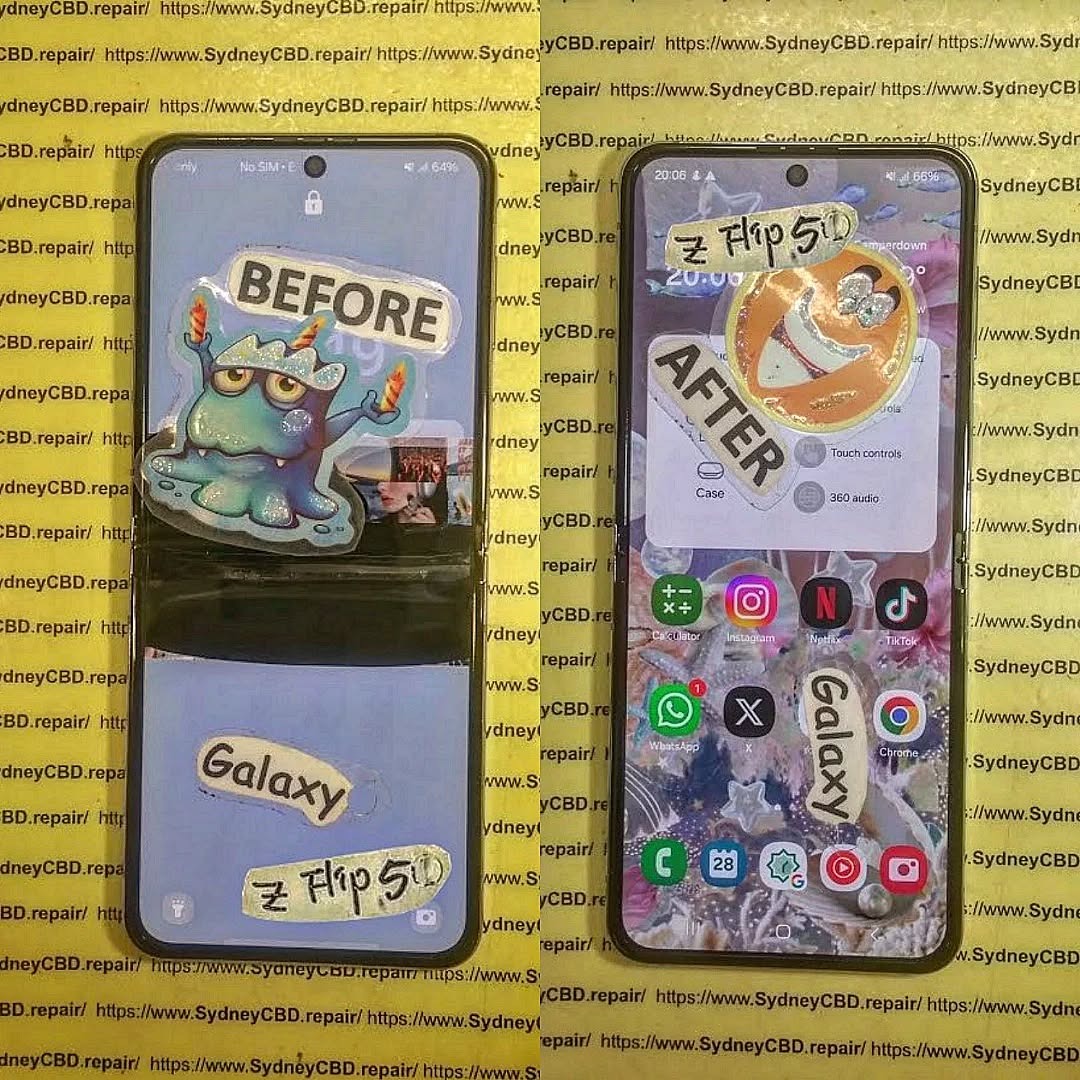
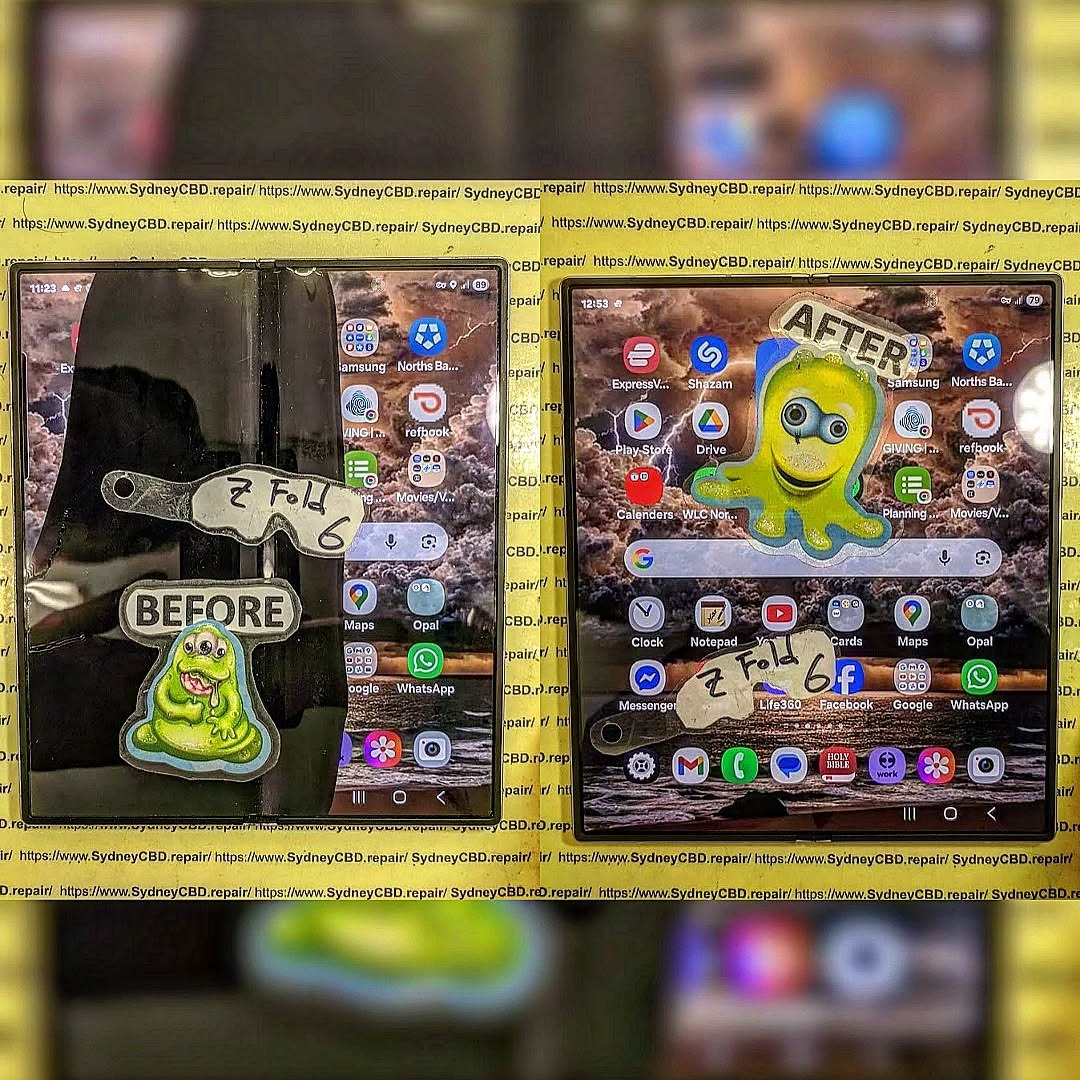
Foldable Phone Screen Failure: Repairing a Samsung Galaxy Z Flip 5 That Shuts Down Suddenly – Ultimate Guide with 9 Proven Fixes
Introduction
Foldable Screen Failure begins with understanding what actually goes wrong inside a foldable device. Foldable screen failure refers to damage or malfunction in the flexible OLED display system, hinge mechanism, or internal flex cables that connect the screen to the motherboard. Unlike traditional smartphones, foldable devices bend hundreds of times per week. Over time, that motion creates stress.
Foldable Screen Failure: Repairing a Z Flip 5 That Shuts Down Suddenly is becoming one of the most common concerns among Samsung foldable users. While the Galaxy Z Flip 5 represents cutting-edge engineering, its innovative foldable OLED display introduces unique vulnerabilities. When your phone shuts down suddenly while folding or unfolding, it’s more than frustrating—it’s alarming.
So what exactly is happening?
Foldable screen failure typically involves damage to the flexible AMOLED panel, internal display cable, hinge mechanism, or even the power management circuitry. Because the Z Flip 5 folds hundreds of times per week, the internal flex cable endures constant stress. Over time, this repetitive motion can lead to microscopic fractures.
Why the Z Flip 5 Is Unique
Unlike traditional smartphones, the Z Flip 5 features:
Ultra-Thin Glass (UTG)
Flexible AMOLED panel
Dual battery configuration
Precision hinge assembly
Internal ribbon flex connectors
These components allow the phone to bend smoothly. However, they also increase repair complexity. Even a minor misalignment can interrupt the power supply to the display, causing random shutdowns.
According to Samsung’s official foldable technology overview, foldables rely on layered structural engineering to distribute bending stress evenly. You can read more about Samsung’s display technology here: https://www.samsung.com/global/galaxy/what-is/foldable-display/
Early Warning Signs
Before complete failure, you may notice:
Screen flickering when folding
Black line along the crease
Touch not responding in the center
Phone shutting down at specific fold angles
Overheating during use
If ignored, these symptoms often escalate. The device may stop powering on entirely.
The good news? Most cases of Foldable Screen Failure: Repairing a Z Flip 5 That Shuts Down Suddenly can be resolved professionally—often the same day.
Understanding the cause is half the solution. When diagnosing Foldable Screen Failure: Repairing a Z Flip 5 That Shuts Down Suddenly, technicians look at both hardware and software triggers.
1. Display Flex Cable Damage
This is the #1 culprit.
Each time you fold the phone, the internal ribbon cable bends. Over time, the copper traces weaken. Eventually, connection loss causes:
Instant black screen
Sudden power cut
Reboot loop
Because the cable is integrated into the screen assembly, replacement typically involves full display replacement.
2. Battery and Power IC Issues
The Z Flip 5 uses dual batteries connected by a power distribution board. If voltage drops unexpectedly:
Device shuts down at 20–40% battery
Phone dies while folding
Random reboots occur
Sometimes it’s not the battery itself—it’s the Power Management IC (PMIC) on the motherboard.
3. Software Corruption
Though less common, firmware glitches can mimic hardware failure. Signs include:
Shutdown during updates
Boot loop after system crash
Device freezing before power off
A professional diagnostic always rules out software before recommending hardware repair.
4. Hinge Pressure Damage
Debris inside the hinge can place pressure on the display from behind. This causes:
Pressure spots
Internal OLED crack
Short circuit triggering shutdown
Because foldables are precision devices, even tiny dust particles matter.
Step-by-Step Diagnosis Process
Professional repair centers follow a structured approach when handling Foldable Screen Failure: Repairing a Z Flip 5 That Shuts Down Suddenly.
Step 1: External Inspection
Technicians check:
Crease integrity
Dead pixels
Frame separation
Impact marks near hinge
Step 2: Angle Testing
The device is opened and closed at multiple angles to identify if shutdown occurs at specific positions. This confirms flex cable damage.
Step 3: Internal Teardown
The Z Flip 5 requires careful heating and panel removal. Inside, experts test:
Display flex continuity
Battery voltage stability
Motherboard integrity
Short circuits
Step 4: Software Scan
Before replacing parts, technicians:
Reflash firmware
Check boot logs
Perform safe mode test
This ensures the correct repair path.
Professional diagnosis prevents unnecessary replacement costs. That’s why experience matters.
Repair Options Explained
When addressing Foldable Screen Failure: Repairing a Z Flip 5 That Shuts Down Suddenly, repair options depend on diagnosis.
Option 1: Genuine OLED Screen Replacement
Most common solution.
Includes:
New AMOLED foldable panel
Integrated flex cable
Fresh adhesive sealing
Benefits:
Restores original brightness
Fixes shutdown issue
Preserves folding mechanism
Maintains durability
Using genuine parts ensures compatibility and longevity.
Option 2: Battery Replacement
If shutdown occurs at random percentages, replacing one or both batteries may solve the issue.
Option 3: Motherboard Micro-Soldering
For advanced cases involving power IC damage, micro-soldering repairs can:
Restore voltage stability
Prevent data loss
Avoid full board replacement
This requires specialized equipment and certified technicians.
Cost of Repairing a Z Flip 5
Repair pricing depends on the fault.
Repair Type
Estimated Cost Range
Screen Replacement
Premium-tier pricing
Battery Replacement
Moderate
Motherboard Repair
Variable
Software Repair
Lower cost
Foldable screens are more expensive than standard displays due to:
Ultra-Thin Glass layer
Integrated flex assembly
Complex installation process
However, professional repair is often significantly cheaper than replacing the entire device.
Preventing Future Foldable Screen Failure
While no foldable lasts forever, you can extend its life.
Maintenance Tips
Avoid snapping the phone shut
Keep hinge clean
Don’t press the crease
Use official screen protector
Avoid extreme temperatures
Smart Charging Habits
Avoid 0% battery drains
Use certified chargers
Don’t overheat device while charging
Handle with Care
Foldables aren’t fragile—but they require mindful use. Think of them like precision laptops rather than rugged bricks.
Why Professional Repair Matters
Repairing a foldable device isn’t DIY territory.
At Sydney CBD Repair Centre, technicians:
Use genuine parts
Offer 90-day warranty
Provide same-day service
Conduct full device diagnostics
With 2000+ 5-star Google reviews and 7 consecutive awards, expertise makes all the difference.
Attempting unofficial repairs may:
Void warranty
Damage hinge alignment
Cause permanent data loss
Professional service ensures safety, reliability, and peace of mind.
Frequently Asked Questions (FAQs)
1. Why does my Z Flip 5 shut down when I fold it?
This usually indicates flex cable damage linked to foldable screen failure.
2. Can software updates fix sudden shutdown?
Only if the issue is firmware-related. Hardware issues require repair.
3. Is it safe to keep using the phone?
Not recommended. Continued folding may worsen damage.
4. How long does repair take?
Most professional repairs are completed same day.
5. Will my data be safe?
Screen replacements do not affect stored data.
6. Is foldable screen failure common?
With heavy use, yes—but professional repair restores full function.
Conclusion
Foldable Screen Failure: Repairing a Z Flip 5 That Shuts Down Suddenly may sound intimidating, but it’s completely manageable with the right expertise. Foldable devices represent the future of smartphones. And like any advanced technology, they require specialized care.
If your Z Flip 5 shuts down unexpectedly, don’t panic. Early diagnosis and professional repair can restore your device to like-new performance.
David from Sydney CBD Repair Centre – The Best place to fix mobile phones as 7 Years In A Row! Top Mobile Phone Repair In Sydney. More than 2000 Positive Reviews on Google and Same Day Repairs.
We take pride in delivering exceptional repair services for all major phone brands including Apple, Samsung, Google, and more. Our expert technicians use only genuine parts and offer 90days warranty on repairs. Located in the heart of Sydney CBD, we’re your one-stop solution for all mobile device repairs.
Our commitment to excellence has earned us the trust of thousands of satisfied customers. Whether it’s a cracked screen, battery replacement, or water damage repair, we handle it all with professional care and expertise. Walk in today and experience why we’re Sydney’s #1 choice for mobile phone repairs.
Visit us for:
✓ Same Day Express Repairs
✓ Genuine Parts Guarantee
✓ Professional Technicians
✓ Competitive Pricing
✓ 2000+ 5-Star Google Reviews
✓ 7-Time Award Winner for Best Phone Repairs
Repair or Replace: A Financial Breakdown of Fixing Samsung Galaxy Foldable Phone Internal Screens + Smart Savings Guide + 2026
Introduction
Foldable smartphones have redefined mobile technology, offering the convenience of a compact device with the screen size of a tablet. Samsung’s Galaxy Z Fold and Z Flip series stand at the forefront of this innovation, combining sleek design with high-end performance. But while these devices are groundbreaking, they come with a unique vulnerability: the internal screen. Unlike traditional smartphones, the flexible displays of foldable phones are prone to damage from pressure, hinge stress, and everyday wear.
If your Samsung foldable phone experiences internal screen issues, you’re likely facing a tough decision: should you repair the screen or replace the device entirely? The cost of repairing these sophisticated displays can be surprisingly high, and replacing the phone outright can feel like a hefty investment.
In this article, we provide a comprehensive financial breakdown of fixing Samsung foldable phone internal screens. You’ll learn about common causes of screen damage, average repair costs in 2026, the pros and cons of repair versus replacement, and strategies to extend your device’s lifespan. By the end, you’ll have the insights needed to make an informed, cost-effective decision — ensuring your foldable phone continues to deliver cutting-edge performance without breaking the bank.
Foldable smartphones are innovative, stylish, and undeniably expensive. If you own a device like the Samsung Galaxy Z Fold 5 or Samsung Galaxy Z Flip 5, you already know the internal screen is the heart of the device. But what happens when that flexible display cracks, shows dead pixels, or stops responding?
The big question most owners ask is simple: Should I repair or replace my Samsung foldable phone internal screen?
This detailed financial breakdown of fixing Samsung foldable phone internal screens will help you decide confidently. We’ll explore real repair costs, warranty coverage, long-term value, and whether replacing the device might actually save you money.
Samsung foldable devices use cutting-edge display technology. The internal screen is not just glass. It combines flexible AMOLED panels, ultra-thin glass (UTG), protective polymer layers, and a precision hinge system.
AMOLED & Ultra-Thin Glass Explained
Samsung’s foldables feature Dynamic AMOLED displays layered with ultra-thin glass. Unlike traditional smartphone screens, these displays:
Bend thousands of times
Include layered protective films
Use flexible OLED panels
Integrate hinge-based tension systems
The technology is brilliant — but it’s delicate. That’s why internal screen repair costs are significantly higher than standard slab smartphones.
Why Foldable Screens Cost More
Several factors drive up the cost of fixing Samsung foldable phone internal screens:
Always compare deductible vs out-of-pocket repair cost.
Hidden Financial Impacts
The price of repair isn’t just about parts.
Data Risk & Downtime
Consider:
Work interruptions
Backup complications
Transfer time
Lost productivity
For business users, downtime alone may justify fast professional repair.
When Repair Makes Financial Sense
Repairing your Samsung foldable phone internal screen makes sense if:
Device is under 2 years old
Repair cost is under 50% of device value
You have insurance
No motherboard damage exists
Repair extends life without major investment.
When Replacement Is the Smarter Move
Replacement may be better if:
Internal damage spreads to hinge
Battery health is poor
Device resale value is low
Repair exceeds 60% of replacement cost
Sometimes it’s better to cut losses and upgrade.
Professional Repair vs DIY
DIY screen repair on foldables? Honestly — not recommended.
Foldables require:
Specialized heating tools
Precision hinge alignment
Factory calibration
Improper repair can permanently damage the display.
Professional technicians ensure:
Genuine parts
Proper adhesive curing
Post-repair testing
Warranty on workmanship
That peace of mind is worth it.
Extending the Life of Foldable Screens
Want to avoid another costly repair?
Here’s what works:
Avoid pressing on screen center
Clean hinge regularly
Use official protective films
Never close phone with debris inside
Keep device away from sand/dust
Small habits make a big difference.
Frequently Asked Questions (FAQs)
1. How long does internal screen repair take?
Most professional repairs take 2–4 hours, depending on parts availability.
2. Can internal cracks spread over time?
Yes. Flexible OLED cracks tend to expand with folding pressure.
3. Is it safe to use the phone with minor screen damage?
Temporary use is possible, but damage often worsens quickly.
4. Does Samsung warranty cover fold crease damage?
Only if determined to be manufacturing defect — not accidental.
5. Is Samsung Care+ worth it for foldables?
Absolutely. Foldable internal screen repairs are expensive without insurance.
6. Will repair affect water resistance?
Yes. Foldables may lose original IP rating after repair unless resealed professionally.
Conclusion
The financial breakdown of fixing Samsung foldable phone internal screens reveals one clear truth: repair is usually more cost-effective than replacement, especially for newer models.
However, the decision depends on device age, insurance coverage, and total damage.
If repair cost exceeds 60% of device value, replacement may be smarter. Otherwise, professional screen repair restores full functionality at a fraction of replacement cost.
Foldable phones are premium devices. Treat them like one — and they’ll reward you with years of innovative performance.
David from Sydney CBD Repair Centre – The Best place to fix mobile phones as 7 Years In A Row! Top Mobile Phone Repair In Sydney. More than 2000 Positive Reviews on Google and Same Day Repairs.
We take pride in delivering exceptional repair services for all major phone brands including Apple, Samsung, Google, and more. Our expert technicians use only genuine parts and offer 90days warranty on repairs. Located in the heart of Sydney CBD, we’re your one-stop solution for all mobile device repairs.
Our commitment to excellence has earned us the trust of thousands of satisfied customers. Whether it’s a cracked screen, battery replacement, or water damage repair, we handle it all with professional care and expertise. Walk in today and experience why we’re Sydney’s #1 choice for mobile phone repairs.
Visit us for:
✓ Same Day Express Repairs
✓ Genuine Parts Guarantee
✓ Professional Technicians
✓ Competitive Pricing
✓ 2000+ 5-Star Google Reviews
✓ 7-Time Award Winner for Best Phone Repairs
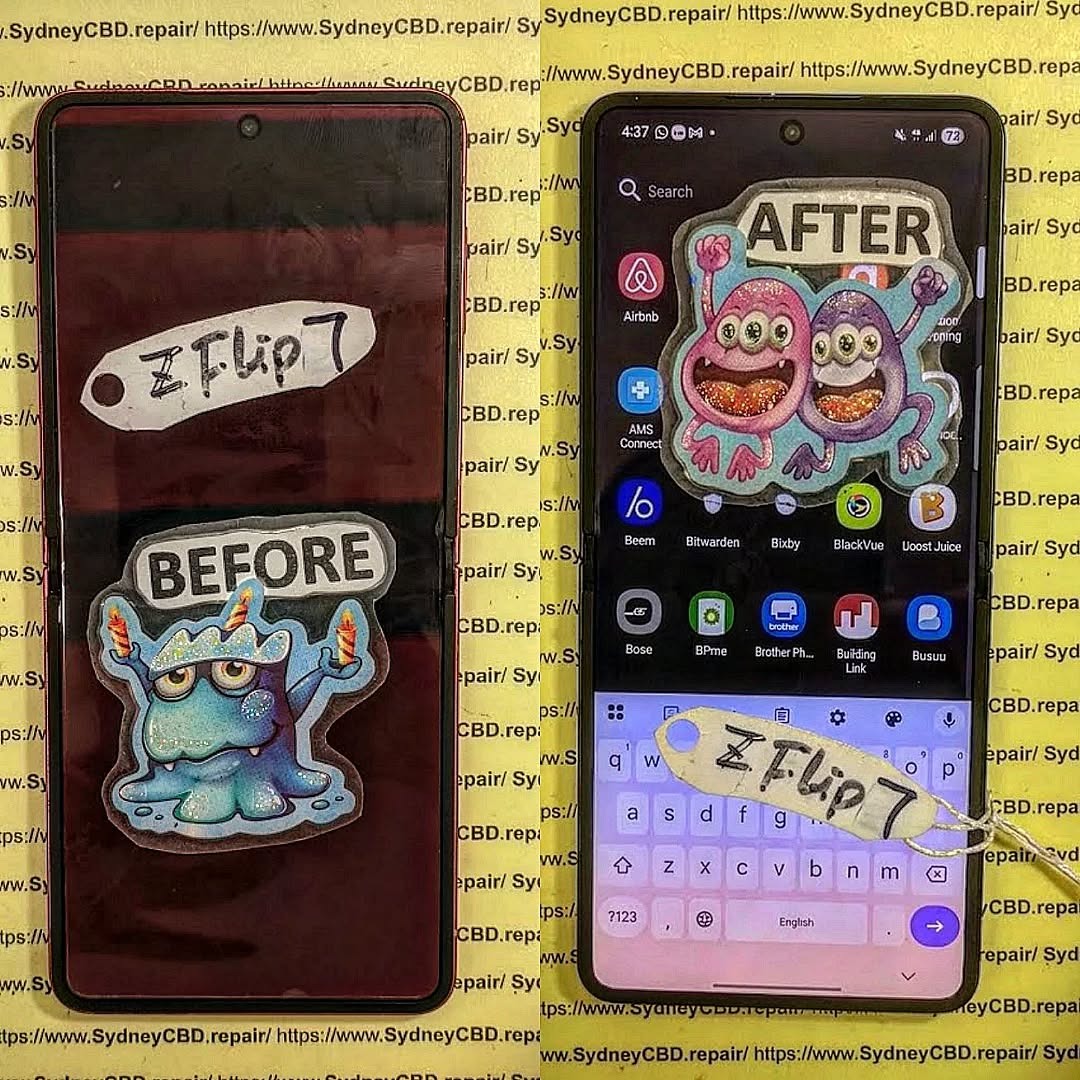
FLIP IT RIGHT! Samsung Galaxy Z Flip 7 Inner Screen Professional Restoration Process – Ultimate 12-Step Expert Guide
Introduction
Foldable smartphones have transformed the mobile industry, and the Samsung Galaxy Z Flip 7 continues this evolution with a slimmer design, stronger hinge, brighter display, and improved durability. Despite these advancements, the inner foldable screen remains one of the most sophisticated—and delicate—components inside any smartphone.
The Samsung Galaxy Z Flip 7 Inner Screen Professional Restoration Process is far more complex than replacing the display on a conventional smartphone. Every layer of the folding display is engineered to flex thousands of times while maintaining brilliant image quality and responsive touch performance. Even a tiny mistake during repair can permanently damage the OLED panel, hinge mechanism, flexible display cable, or protective layers.
That’s why professional restoration matters.
Experienced repair technicians follow carefully controlled procedures using specialized tools, genuine replacement parts, precision adhesives, and extensive diagnostic testing. Every stage is designed to restore the device as closely as possible to its original factory condition while minimizing risks.
In this guide, you’ll learn exactly how professionals restore the Galaxy Z Flip 7 inner display, why each repair step is important, and how expert workmanship helps maximize the lifespan of your foldable smartphone.
The Galaxy Z Flip 7 features one of Samsung’s most advanced flexible OLED displays. Unlike traditional smartphones, its screen bends repeatedly along a precisely engineered hinge while maintaining exceptional image quality.
Several advanced technologies work together to make this possible:
Dynamic AMOLED display technology
Ultra Thin Glass (UTG)
Flexible OLED panel
Protective polymer layers
Precision hinge assembly
Fold-resistant display adhesive
Integrated touch digitizer
Under-display components
Unlike a flat smartphone display, every layer inside the Z Flip 7 must move together perfectly every time the phone opens or closes.
The Role of Ultra Thin Glass
Ultra Thin Glass provides a balance between flexibility and durability. Although it is called “glass,” it behaves differently from the glass used on conventional smartphones.
Its benefits include:
Improved scratch resistance
Better display clarity
Enhanced touch sensitivity
More natural folding characteristics
Reduced crease visibility
However, UTG remains vulnerable to:
Sharp impacts
Excessive pressure
Twisting forces
Improper repair techniques
This is one reason the Samsung Galaxy Z Flip 7 Inner Screen Professional Restoration Process should always be handled by trained technicians.
Flexible OLED Technology
Samsung’s flexible OLED panels deliver:
Feature
Benefit
Deep blacks
Higher contrast
Bright colors
Better viewing experience
High refresh rate
Smooth scrolling
Low power consumption
Longer battery life
Thin construction
Enables folding design
The OLED layer is exceptionally fragile. During professional repair, technicians avoid direct pressure on the display because even slight deformation can permanently damage the pixels.
Why the Hinge Matters
Many people assume the display alone causes problems. In reality, the hinge and display function as one integrated system.
The hinge controls:
Folding angle
Opening resistance
Display cable movement
Internal cable protection
Stress distribution
If the hinge becomes bent or contaminated with debris, it can place uneven stress on the flexible display, eventually leading to cracks or display failure.
Professional technicians always inspect the hinge before installing a replacement screen.
Integrated Flexible Cables
Unlike standard smartphones, the Galaxy Z Flip 7 uses flexible ribbon cables that constantly move as the phone opens and closes.
These cables connect:
Main OLED panel
Touch digitizer
Display controller
Internal sensors
Repeated bending makes these cables one of the most sensitive parts of the device.
During restoration, technicians carefully route replacement cables through the hinge area while ensuring they maintain the correct bending radius. Improper positioning can dramatically shorten the lifespan of the repair.
Why Foldable Displays Require Specialized Repairs
Repairing a foldable phone is very different from replacing a standard smartphone screen.
Professional repair shops use specialized equipment, including:
Temperature-controlled heating plates
Precision opening tools
Anti-static workstations
Display alignment fixtures
High-strength flexible adhesives
Microscope inspection systems
OLED testing equipment
These tools help prevent accidental damage while ensuring every replacement component is installed accurately.
Common Causes of Inner Screen Failure
Although Samsung has significantly improved durability, several issues can still affect foldable displays:
Accidental Drops
Even a minor drop can:
Crack the OLED panel
Damage Ultra Thin Glass
Shift hinge alignment
Loosen internal display layers
Pressure Damage
Placing heavy objects on the folded phone can create excessive stress at the crease, leading to:
Dead pixels
Touch failure
Internal display fractures
Dust and Debris
Tiny particles entering the hinge may:
Increase friction
Affect smooth folding
Place uneven pressure on the display
Accelerate internal wear
Liquid Exposure
Although water resistance has improved, moisture can still affect:
Display connectors
OLED circuitry
Touch controller
Internal adhesive strength
Natural Wear
Every fold creates microscopic stress within the flexible display. Over years of use, this repetitive movement can contribute to:
Crease deepening
Reduced touch responsiveness
Pixel degradation
Ribbon cable fatigue
Understanding these failure mechanisms helps explain why the Samsung Galaxy Z Flip 7 Inner Screen Professional Restoration Process requires much more than simply swapping one display for another.
Professional Diagnostic Process Before Restoration
Before any technician removes a single screw, a complete diagnostic inspection is performed. This ensures that the problem truly lies with the inner display and not another component, such as the motherboard, battery, display cable, or hinge assembly.
Professional diagnostics reduce unnecessary repairs and help identify hidden damage caused by drops, impacts, or liquid exposure.
Typical inspections include:
Visual inspection of the OLED panel
Checking the folding hinge for smooth movement
Testing touch responsiveness across the entire screen
Inspecting for dead pixels or color distortion
Examining the crease for abnormal wear
Verifying brightness consistency
Testing cameras and sensors
Checking wireless charging and NFC
Battery health evaluation
Internal moisture indicator inspection
Identifying Hidden Damage
Not every damaged screen shows obvious cracks.
Technicians often encounter problems such as:
Hidden Issue
Possible Cause
Green or pink display lines
OLED layer damage
Black spots
Internal pixel failure
Flickering display
Ribbon cable damage
Partial touch response
Digitizer malfunction
Random shutdowns
Internal impact damage
Screen flashing
Display controller fault
Professional diagnostic equipment helps determine whether only the display requires replacement or if additional components need servicing.
Any debris left behind may create pressure points that affect the new OLED panel.
Step 9 – Installing the Replacement Inner Screen
The new flexible display is aligned using precision fixtures.
Proper alignment ensures:
Uniform bezels
Smooth folding
Correct hinge clearance
Accurate cable routing
Reliable adhesive bonding
This stage requires exceptional attention to detail because even a slight misalignment can impact long-term durability.
Step 10 – Applying Professional Adhesive
Foldable displays rely on flexible, high-strength adhesives designed to withstand repeated opening and closing.
Professional adhesives provide:
Strong bonding
Controlled flexibility
Temperature resistance
Long-term durability
Improved structural integrity
Improper adhesive application can lead to lifting edges, display movement, or premature repair failure.
Step 11 – Reconnecting Components
After the new display is secured, technicians reconnect:
Display ribbon cables
Battery connector
Wireless charging assembly
Cameras
Antennas
Internal sensors
Every connection is inspected under magnification to ensure it is fully seated.
Step 12 – Reassembly
The smartphone is carefully reassembled in the reverse order.
Key tasks include:
Reinstalling internal shields
Tightening screws to appropriate torque
Replacing waterproof adhesive seals
Reattaching the rear housing
Cleaning fingerprints and residue
A meticulous reassembly helps restore both functionality and structural integrity.
Quality Control and Functional Testing
A professional restoration is not complete once the phone is reassembled. Extensive testing confirms that every major feature works correctly before the device is returned to the customer.
Technicians typically verify:
Test
Purpose
Inner display brightness
Uniform illumination
Touch responsiveness
Accurate multi-touch input
Fold and unfold operation
Smooth hinge movement
Fingerprint sensor
Reliable biometric recognition
Cameras
Proper image capture
Speakers and microphones
Clear audio performance
Charging
Stable wired and wireless charging
Connectivity
Wi-Fi, Bluetooth, and cellular performance
Proximity and ambient light sensors
Correct automatic behavior
These quality control procedures help ensure the Samsung Galaxy Z Flip 7 Inner Screen Professional Restoration Process delivers a dependable repair that performs as expected in everyday use.
Display Calibration After the Samsung Galaxy Z Flip 7 Inner Screen Professional Restoration Process
Installing a new display is only part of a successful repair. The final stage is calibration and functional optimization to ensure the replacement screen performs as intended.
Professional technicians carry out several checks to verify that the phone delivers a premium user experience.
Touch Sensitivity Testing
The Galaxy Z Flip 7 relies on a highly responsive touch digitizer. After installation, technicians test the entire surface of the display, paying particular attention to the folding crease.
Testing includes:
Multi-touch response
Swipe accuracy
Gesture recognition
Edge sensitivity
Keyboard responsiveness
Pressure consistency
Any irregularities are investigated before the repair is considered complete.
Display Quality Inspection
The OLED display is examined under different brightness levels to confirm:
Uniform brightness
Accurate color reproduction
No dead pixels
No flickering
Proper refresh rate
Smooth animations
Professionals also inspect the display from multiple viewing angles to ensure image consistency.
Fingerprint Sensor Verification
If the Galaxy Z Flip 7 uses an integrated biometric system associated with the display assembly, technicians verify that fingerprint recognition remains fast and reliable after the repair.
Checks include:
Fingerprint enrollment
Unlock speed
Authentication accuracy
Multiple-user support
Waterproofing and Adhesive Replacement
Although professional repairs aim to restore the phone’s sealing, it’s important to understand that once a device has been opened, its original factory waterproof certification cannot always be guaranteed.
Professional technicians replace all removed adhesive seals with high-quality equivalents and carefully reseal the device.
The sealing process includes:
Removing old adhesive
Cleaning all contact surfaces
Applying precision-cut replacement adhesive
Even pressure during bonding
Appropriate curing time
Proper sealing helps improve resistance to dust and accidental moisture exposure.
Genuine vs. Aftermarket Inner Displays
One of the most important decisions during the Samsung Galaxy Z Flip 7 Inner Screen Professional Restoration Process is selecting the replacement display.
Comparison Table
Feature
Genuine Display
Quality Aftermarket Display
Color Accuracy
Excellent
Good to Very Good
Brightness
Factory Specification
May vary
Refresh Rate
Full specification
Depends on supplier
Fold Durability
Designed for repeated folding
Varies by manufacturer
Touch Response
Excellent
Usually good
Compatibility
Full
May require adjustments
Longevity
Typically longer
Depends on quality
Manufacturer Support
Yes
Limited
Professional repair centers often recommend genuine parts whenever available because they provide the closest match to the original performance and durability.
Common DIY Mistakes to Avoid
Foldable smartphones are significantly more difficult to repair than conventional devices. Attempting a DIY repair without the proper tools or experience can lead to additional damage.
Common mistakes include:
Using Excessive Heat
Too much heat can damage:
Flexible OLED layers
Plastic display components
Battery
Internal adhesives
Pulling the Screen Too Quickly
Removing the screen without controlled separation may tear:
Ribbon cables
Touch digitizer layers
Flexible OLED panel
Damaging the Hinge
Applying force in the wrong direction can affect hinge alignment, causing uneven folding or additional stress on the new display.
Incorrect Adhesive Application
Poor adhesive installation may result in:
Lifting edges
Dust entering the device
Uneven screen pressure
Reduced durability
Forgetting Battery Isolation
Working on an energized phone increases the risk of electrical shorts and accidental component damage.
Benefits of Choosing Professional Restoration
Professional repairs provide advantages that extend beyond simply replacing a damaged screen.
These include:
Experienced technicians
Specialized equipment
Proper diagnostic testing
High-quality replacement parts
Safe handling of delicate components
Thorough post-repair quality control
Repair warranty
Reduced risk of repeat failures
An experienced technician also identifies hidden issues that may not be visible during a basic inspection, helping prevent future problems.
Tips to Protect Your Galaxy Z Flip 7 Inner Screen
Preventive care can significantly extend the life of your foldable device.
Keep the Hinge Clean
Dust and debris can accumulate around the hinge. Wipe the exterior regularly with a soft microfiber cloth and avoid exposing the phone to sandy or dusty environments whenever possible.
Avoid Excessive Pressure
Do not place heavy objects on the folded phone or keep it in a tightly packed pocket where it may be compressed.
Open and Close the Phone Gently
The hinge is engineered for repeated use, but smooth, controlled opening and closing reduces unnecessary stress on the flexible display.
Use a Protective Case
A case designed specifically for the Galaxy Z Flip 7 can help absorb impacts and protect the frame from accidental drops.
Avoid Extreme Temperatures
Very high or very low temperatures can affect battery performance, adhesives, and display materials. Store and use the phone within the manufacturer’s recommended temperature range.
Address Minor Issues Early
If you notice flickering, touch delays, unusual noises from the hinge, or visible lines on the display, have the device inspected promptly. Early intervention may prevent more extensive damage.
Frequently Asked Questions
1. How long does a Galaxy Z Flip 7 inner screen replacement usually take?
Most professional repair centers can complete the repair on the same day if replacement parts are in stock. More complex cases involving hinge or motherboard damage may require additional time.
2. Can the inner screen be repaired without replacing the entire display?
In most cases, damage to the flexible OLED panel requires replacement of the complete display assembly because the layers are permanently bonded together.
3. Will the phone fold normally after a professional repair?
Yes. When the repair is performed correctly with proper alignment and quality components, the phone should open and close smoothly.
4. Is it safe to keep using a phone with a cracked inner screen?
No. Continued use may allow cracks to spread, reduce touch responsiveness, and expose internal components to dust or moisture.
5. Does replacing the inner screen improve touch performance?
If the original display suffered from touch issues caused by physical damage, a professionally installed replacement should restore normal responsiveness.
6. How can I make my foldable display last longer?
Use a protective case, avoid excessive pressure, keep the hinge clean, and have any developing issues inspected by qualified technicians before they worsen.
Conclusion
The Samsung Galaxy Z Flip 7 Inner Screen Professional Restoration Process is a precise procedure that combines advanced diagnostic techniques, specialized tools, skilled workmanship, and rigorous quality control. Unlike traditional smartphone repairs, restoring a foldable display requires careful attention to the flexible OLED panel, Ultra Thin Glass, hinge mechanism, ribbon cables, and adhesive system.
Choosing a professional repair service helps ensure the new display is installed accurately, calibrated correctly, and thoroughly tested before the device is returned. With high-quality replacement parts and experienced technicians, your Galaxy Z Flip 7 can regain its smooth folding action, vibrant display quality, and dependable touch performance.
By following good maintenance practices and addressing problems early, you can maximize the lifespan of your foldable smartphone and continue enjoying its innovative design for years to come.
Learn More
For additional information about caring for Samsung Galaxy devices and foldable technology, visit the official Samsung Support website: https://www.samsung.com/support/
David from Sydney CBD Repair Centre – The Best place to fix mobile phones as 7 Years In A Row! Top Mobile Phone Repair In Sydney. More than 2000 Positive Reviews on Google and Same Day Repairs.
We take pride in delivering exceptional repair services for all major phone brands including Apple, Samsung, Google, and more. Our expert technicians use only genuine parts and offer 90 days warranty on repairs. Located in the heart of Sydney CBD, we’re your one-stop solution for all mobile device repairs.
Our commitment to excellence has earned us the trust of thousands of satisfied customers. Whether it’s a cracked screen, battery replacement, or water damage repair, we handle it all with professional care and expertise. Walk in today and experience why we’re Sydney’s #1 choice for mobile phone repairs.
Visit us for:
✓ Same Day Express Repairs
✓ Genuine Parts Guarantee
✓ Professional Technicians
✓ Competitive Pricing
✓ 2000+ 5-Star Google Reviews
✓ 7-Time Award Winner for Best Phone Repairs
Sydney CBD Repair Centre – Where Quality Meets Reliability.
FIRST IN AUSTRALIA! Samsung Galaxy S26 Ultra Full Screen Restoration Process Revealed: Ultimate 10 Expert Insights
Introduction
The Samsung Galaxy S26 Ultra Full Screen Restoration Process Revealed is more than simply replacing a broken display. Modern flagship smartphones feature advanced AMOLED technology, integrated fingerprint scanners, AI-powered touch recognition, adaptive refresh rates, and highly durable protective glass. Restoring these sophisticated devices requires technical expertise, precision equipment, and genuine replacement components.
A cracked screen isn’t always just cosmetic. In many situations, impact damage can affect the OLED display, touch digitizer, fingerprint sensor, frame alignment, and even internal connectors. While some users continue using their phones despite visible cracks, delaying repairs may allow moisture, dust, and additional stress to worsen the damage.
Professional repair technicians follow a systematic restoration process that ensures every component is inspected, cleaned, repaired, and tested before the phone is returned to its owner. This approach restores not only the appearance of the phone but also its functionality, durability, and reliability.
Throughout this guide, you’ll discover exactly how professionals restore Samsung’s latest flagship device, why genuine components matter, and what separates expert repair shops from inexperienced technicians.
Samsung continues pushing smartphone display technology forward with every Ultra model. The Galaxy S26 Ultra features one of the most advanced smartphone screens available, delivering exceptional brightness, vibrant colors, and outstanding responsiveness.
Its display combines several technologies into one compact assembly.
AMOLED Display Technology
The AMOLED panel delivers:
Rich contrast
Deep black levels
Excellent outdoor visibility
Smooth animations
Power-efficient operation
HDR support
Adaptive refresh rates
Unlike traditional LCD panels, AMOLED displays illuminate individual pixels independently. This allows for remarkable picture quality while consuming less power during dark-mode usage.
However, this advanced technology also means repairs demand greater care. OLED panels are extremely thin and can crack internally even when the outer glass appears relatively intact.
Professional technicians use specialized tools designed specifically for OLED handling to prevent additional damage during restoration.
Gorilla Glass Protection
Samsung’s flagship devices are engineered for durability.
The strengthened front glass helps resist:
Everyday scratches
Minor drops
Pocket wear
Key abrasion
Surface impacts
Even so, no smartphone glass is indestructible.
A drop onto concrete, tiles, asphalt, or metal edges can easily shatter the protective layer, requiring complete display replacement.
Fortunately, professional restoration returns the phone to nearly factory condition when quality replacement parts are used.
Although Samsung builds premium devices, accidents remain the leading cause of screen damage worldwide.
Accidental Drops
The majority of repairs begin with a simple accident.
Common scenarios include:
Phone slipping from pockets
Falling off desks
Dropping during selfies
Falling while exiting vehicles
Children accidentally throwing devices
Even protective cases cannot absorb every impact.
The force may damage:
Outer glass
OLED panel
Display flex cables
Touch digitizer
Internal frame
Professional diagnosis determines the full extent of hidden damage.
Pressure Damage
Pressure damage develops gradually.
Examples include:
Sitting on the phone
Carrying it in a back pocket
Heavy bags compressing the device
Objects pressing against the display
Unlike impact damage, pressure often causes:
Green lines
Pink lines
Black spots
Touch failures
Flickering displays
Because these issues originate inside the OLED layer, replacing only the outer glass isn’t enough.
Complete screen restoration becomes necessary.
Water Exposure
Although flagship Samsung devices include water resistance, no waterproof seal lasts forever.
Previous repairs, accidental drops, or worn adhesive can reduce protection.
Water intrusion may damage:
Display connectors
OLED circuitry
Charging circuits
Internal sensors
Cameras
Technicians always inspect for moisture indicators before installing replacement components.
Ignoring liquid damage may result in future failures, even after installing a new display.
Professional Diagnosis Before Repair
One of the biggest differences between professional repair centers and inexperienced workshops is diagnosis.
Replacing parts without understanding the root cause often leads to repeat repairs.
Experts spend considerable time inspecting the device before beginning any restoration.
External Inspection
The repair begins with a complete visual examination.
Technicians look for:
Bent frames
Cracked rear glass
Camera damage
Housing separation
Missing screws
Previous repair attempts
Every observation helps determine whether additional components require replacement.
Display Function Testing
Even badly cracked displays provide valuable diagnostic information.
Technicians evaluate:
Test
Purpose
Touch Response
Detect dead zones
Brightness
OLED health
Color Accuracy
Panel integrity
Fingerprint Sensor
Biometric functionality
Refresh Rate
Display performance
Adaptive Brightness
Sensor verification
Multi-touch
Digitizer testing
These tests establish a repair baseline before disassembly begins.
Internal Frame Inspection
After opening the phone, professionals inspect the internal structure.
Common findings include:
Bent midframes
Loose connectors
Broken brackets
Torn flex cables
Dust contamination
Corrosion
Battery swelling
Repairing these issues before installing a new screen significantly improves long-term reliability.
Rather than rushing the job, experienced technicians ensure every component is properly aligned, cleaned, and secured. This careful preparation minimizes the risk of future display failures and helps the Samsung Galaxy S26 Ultra perform as intended after restoration.
Samsung Galaxy S26 Ultra Full Screen Restoration Process Revealed
The Samsung Galaxy S26 Ultra Full Screen Restoration Process Revealed isn’t simply about swapping a damaged display for a new one. Professional technicians follow a detailed workflow that minimizes risk and ensures every feature works exactly as it should after the repair.
From preparation to final testing, every step requires patience, precision, and specialized equipment.
Preparing the Device
Before any repair begins, technicians prepare a clean, static-free workstation equipped with professional repair tools.
Typical equipment includes:
Precision screwdrivers
Plastic opening picks
Suction cups
Heat pads or controlled heating equipment
Anti-static wrist straps
Fine-tip tweezers
Display adhesive
Cleaning solutions
Magnification equipment
The device is then powered off completely to protect sensitive internal components from electrical damage.
Whenever possible, customers are encouraged to back up important files before leaving their phone for repair. While professional repairs rarely affect stored data, creating a backup is always a smart precaution.
Softening the Display Adhesive
Samsung secures its displays using industrial-strength adhesive that creates an excellent seal against dust and moisture.
Rather than forcing the display loose, technicians gently warm the edges of the phone using calibrated heating equipment.
This controlled heat:
Softens the adhesive
Reduces stress on the OLED panel
Prevents frame damage
Makes removal safer
Using too much heat can permanently damage nearby components such as the battery, cameras, or wireless charging coil. That’s why professional repair centers carefully monitor temperature throughout the process.
Removing the Damaged Screen
Once the adhesive has softened, the damaged display is lifted carefully using specialized tools.
Technicians work slowly around the perimeter to avoid:
Tearing display flex cables
Damaging antenna lines
Scratching the frame
Cracking internal components
Even if the display is already shattered, removing it carefully protects the expensive hardware underneath.
The display connector is disconnected only after the phone is safely opened and internal shielding has been removed.
Cleaning the Frame
After the damaged screen is removed, attention shifts to the phone’s frame.
Old adhesive, dust, and tiny glass fragments are completely removed.
The frame is inspected for:
Warping
Bends
Hairline cracks
Sharp edges
Loose brackets
A perfectly clean frame ensures the replacement display sits flush without gaps.
This step is often overlooked in low-cost repairs but plays a major role in the durability of the finished repair.
Inspecting Internal Components
With the phone open, technicians perform another round of inspections.
Components checked include:
Component
Inspection Purpose
Battery
Swelling or impact damage
Charging Port
Bent pins or corrosion
Cameras
Alignment and cleanliness
Wireless Charging Coil
Physical damage
Speaker Assembly
Dust or moisture
Vibration Motor
Secure mounting
Motherboard
Connector integrity
If hidden damage is discovered, customers are usually informed before the repair continues.
This transparent approach helps prevent unexpected issues after the phone is reassembled.
Installing the New Display
The replacement display is never installed immediately after unboxing.
Instead, professionals first perform a temporary connection test.
This confirms:
OLED image quality
Touch responsiveness
Fingerprint scanner compatibility
Brightness
Refresh rate
Display calibration
Only after passing these checks is the screen permanently installed.
Fresh waterproof adhesive is then applied evenly around the frame.
Proper alignment is essential because even slight positioning errors can affect:
Touch sensitivity
Display sealing
Side button operation
Camera alignment
Dust resistance
Experienced technicians carefully position the display before applying uniform pressure to achieve a factory-like finish.
Why Genuine Replacement Parts Matter
One of the most important factors in any flagship phone repair is the quality of the replacement display.
Although aftermarket screens are widely available, not all offer the same level of performance.
High-quality genuine or premium-grade replacement parts typically provide:
Accurate color reproduction
Smooth scrolling
Excellent brightness
Reliable touch sensitivity
Better durability
Proper fingerprint scanner support
Improved longevity
Lower-quality displays may appear acceptable initially but can develop issues over time such as:
Reduced brightness
Poor viewing angles
Slower touch response
Increased battery consumption
Display flickering
Color inconsistency
For premium devices like the Galaxy S26 Ultra, investing in quality replacement components helps maintain the phone’s flagship experience.
Adhesive Quality Is Just as Important
Many people focus only on the display itself.
However, the adhesive used during installation is equally critical.
Professional-grade adhesive helps:
Secure the display firmly
Reduce dust entry
Improve structural strength
Restore the original fit
Enhance long-term durability
Inferior adhesive can loosen over time, causing the screen to lift from the frame and increasing the risk of future damage.
Quality Control Testing
Installing the display is only part of the restoration process.
Professional technicians perform extensive testing before returning the device.
A complete quality inspection typically includes:
Display Testing
Technicians verify:
Uniform brightness
Color accuracy
Dead pixel inspection
Refresh rate performance
Auto brightness
Touch Testing
Every section of the display is checked for:
Multi-touch functionality
Gesture navigation
Swipe accuracy
Edge sensitivity
Palm rejection
Fingerprint Sensor Verification
Modern Samsung phones feature under-display fingerprint sensors.
Following installation, technicians ensure:
Fast recognition
Accurate enrollment
Reliable unlocking
Consistent performance
If necessary, fingerprint registration is repeated to maximize accuracy.
Camera Testing
Because the device has been opened, cameras are tested for:
Focus speed
Image clarity
Lens cleanliness
Optical stabilization
Front camera quality
Charging Tests
Technicians also verify:
Wired charging
Wireless charging
Fast charging compatibility
USB data transfer
This confirms that no internal connectors were disturbed during the repair.
Final Cosmetic Inspection
Before the repair is completed, the phone receives one final inspection.
Professionals check:
Display alignment
Adhesive finish
Button operation
Speaker openings
SIM tray fit
Camera alignment
Overall cleanliness
The goal is to return the phone looking and functioning as close to factory condition as possible.
By combining careful workmanship, premium replacement parts, and thorough quality control, professional technicians ensure that the Samsung Galaxy S26 Ultra Full Screen Restoration Process Revealed delivers reliable, long-lasting results rather than a temporary fix.
Repair vs. Replacement: Which Option Makes More Sense?
After learning about the Samsung Galaxy S26 Ultra Full Screen Restoration Process Revealed, many owners wonder whether repairing the phone is worth it or if upgrading to a new device is the better option.
For most users, a professional screen restoration is the more economical and environmentally friendly choice. The Galaxy S26 Ultra is a premium flagship smartphone built with cutting-edge hardware, including a powerful processor, advanced camera system, generous storage options, and a brilliant AMOLED display. If only the screen is damaged, replacing the display can restore nearly all of the phone’s original functionality.
However, there are situations where replacing the entire device may be the smarter investment.
Repair Is Usually Recommended When:
The screen is cracked but the motherboard works perfectly.
The phone powers on normally.
Face recognition and fingerprint functions still operate.
Cameras and charging functions remain unaffected.
There is no significant water damage.
The repair cost is considerably lower than purchasing a new flagship phone.
Replacement May Be Better When:
The motherboard has suffered severe impact damage.
Repair costs approach the price of a replacement device.
The device has experienced repeated unsuccessful repairs.
A trusted technician can provide an honest assessment after inspecting the phone, helping you choose the most cost-effective solution.
How to Protect Your Samsung Galaxy S26 Ultra After Repair
Once your phone has been professionally restored, taking a few preventive measures can significantly reduce the chances of future damage.
Use a High-Quality Protective Case
A premium protective case absorbs impact during accidental drops.
Look for features such as:
Shock-absorbing corners
Raised screen bezels
Reinforced edges
Anti-slip grip
Certified drop protection
While no case can guarantee complete protection, quality cases greatly reduce the risk of serious damage.
Install a Tempered Glass Screen Protector
A tempered glass protector acts as the first line of defense against scratches and minor impacts.
Benefits include:
Reduced scratching
Improved resale value
Easier cleaning
Additional impact protection
Lower repair costs after minor accidents
Replacing a worn screen protector is far less expensive than replacing another OLED display.
Avoid Extreme Temperatures
Modern smartphones are designed to operate within specific temperature ranges.
Avoid:
Leaving the phone inside hot vehicles
Direct sunlight for extended periods
Freezing environments
Rapid temperature changes
Extreme heat may weaken adhesives, while excessive cold can make glass more brittle.
Keep the Charging Port Clean
Dust and pocket lint accumulate over time.
Instead of using sharp metal objects, gently clean the charging port using:
A soft brush
Compressed air (used carefully)
Professional cleaning services
Keeping the port clean helps maintain reliable charging and data connectivity.
Handle Water Resistance Carefully
Even though flagship Samsung phones offer water resistance, it should never be considered permanent.
Water-resistant seals naturally age over time and may be affected by drops or previous repairs.
To maximize protection:
Avoid unnecessary water exposure.
Dry the phone immediately if it becomes wet.
Do not intentionally submerge the device.
Have damaged seals replaced during professional repairs.
Frequently Asked Questions
1. How long does a Galaxy S26 Ultra screen replacement usually take?
Most professional repair centers can complete a standard screen replacement on the same day, provided replacement parts are available and no additional internal damage is found.
2. Will replacing the screen erase my data?
In most cases, no. A screen replacement does not require deleting your photos, contacts, or applications. However, backing up important data before any repair is always recommended.
3. Can a cracked screen become worse over time?
Yes. Small cracks often spread with continued use. Dust, moisture, and repeated pressure can also damage the OLED panel beneath the glass, leading to display failure or touch issues.
4. Why should I choose genuine replacement parts?
Genuine or premium-quality parts generally provide better brightness, color accuracy, touch responsiveness, durability, and compatibility with features such as the under-display fingerprint scanner.
5. Is the phone still water-resistant after a screen replacement?
Professional technicians use high-quality adhesive to help restore the device’s seal. However, no repair shop can guarantee that the phone will retain the exact same factory water-resistance rating. It is still wise to avoid unnecessary exposure to water.
6. How can I tell if my screen needs replacement instead of just the glass?
If you notice any of the following, a complete display replacement is often required:
Black spots
Green or pink lines
Flickering
Dead pixels
Touchscreen not responding
Display not turning on
A professional diagnostic inspection can confirm the extent of the damage.
Final Thoughts
The Samsung Galaxy S26 Ultra Full Screen Restoration Process Revealed demonstrates that restoring a premium smartphone is far more involved than simply installing a new display. Every stage—from diagnosis and careful disassembly to frame preparation, genuine component installation, and comprehensive quality testing—plays a vital role in achieving a dependable, long-lasting repair.
Choosing an experienced repair provider helps ensure that your Galaxy S26 Ultra maintains its exceptional display quality, smooth touch performance, and overall reliability. Skilled technicians, premium replacement parts, and rigorous testing can often restore the device to a condition that feels remarkably close to new.
With proper care, a protective case, a quality screen protector, and timely maintenance, your repaired phone can continue delivering flagship performance for years to come.
For additional information about Samsung device care and support, visit the official Samsung Support website: https://www.samsung.com/support/
Conclusion
Investing in a professional screen restoration is often the smartest way to extend the life of your Samsung Galaxy S26 Ultra. Rather than replacing an otherwise excellent smartphone, expert repairs preserve your investment, reduce electronic waste, and restore the premium user experience you expect from a flagship device.
Whether your screen has suffered a minor crack or significant display damage, following the proper restoration process ensures the best possible outcome. Always choose experienced technicians who prioritize quality workmanship, genuine parts, and thorough testing to keep your device performing at its best.
David from Sydney CBD Repair Centre – The Best place to fix mobile phones as 7 Years In A Row! Top Mobile Phone Repair In Sydney. More than 2000 Positive Reviews on Google and Same Day Repairs.
We take pride in delivering exceptional repair services for all major phone brands including Apple, Samsung, Google, and more. Our expert technicians use only genuine parts and offer 90 days warranty on repairs. Located in the heart of Sydney CBD, we’re your one-stop solution for all mobile device repairs.
Our commitment to excellence has earned us the trust of thousands of satisfied customers. Whether it’s a cracked screen, battery replacement, or water damage repair, we handle it all with professional care and expertise. Walk in today and experience why we’re Sydney’s #1 choice for mobile phone repairs.
Visit us for:
✓ Same Day Express Repairs
✓ Genuine Parts Guarantee
✓ Professional Technicians
✓ Competitive Pricing
✓ 2000+ 5-Star Google Reviews
✓ 7-Time Award Winner for Best Phone Repairs
Sydney CBD Repair Centre – Where Quality Meets Reliability.
Fix It Or Scrap It? Restoring a Crushed Samsung Galaxy S24 Ultra Display – Amazing Guide 2026
Introduction
A crushed smartphone screen can feel like the end of the road for any premium device. When it comes to the Samsung Galaxy S24 Ultra display, the situation can seem even more serious because of the phone’s advanced technology and premium price tag. Many users immediately wonder whether they should repair the device or simply replace it with a new phone.
The good news is that a damaged Samsung Galaxy S24 Ultra display is often repairable, even when the screen appears severely cracked, blacked out, or physically crushed. Modern repair techniques and high-quality replacement components allow experienced technicians to restore functionality and appearance to near-original condition.
Before making a costly decision, it’s important to understand the extent of the damage, repair options available, and the overall value of restoration. In many situations, repair is the smarter financial and environmental choice.
The Samsung Galaxy S24 Ultra is designed with durability in mind. However, accidents happen. Drops, impacts, pressure damage, and unexpected mishaps can still cause serious screen problems.
Common Causes of Display Failure
Several incidents can damage a Samsung Galaxy S24 Ultra display:
Accidental drops onto hard surfaces
Heavy objects crushing the phone
Pressure inside bags or pockets
Vehicle-related accidents
Water damage affecting display circuitry
Manufacturing defects in rare cases
Even though the device uses premium protective glass, enough force can still result in display failure.
Signs Your Display Needs Repair
Screen damage isn’t always obvious at first glance. Common symptoms include:
Symptom
Possible Cause
Black screen
OLED panel failure
Flickering display
Internal screen damage
Touch not responding
Digitizer malfunction
Green lines
OLED layer damage
Dead pixels
Display panel defects
Cracks and shattering
Physical impact damage
If any of these signs appear, professional assessment is recommended.
Repairing a Samsung Galaxy S24 Ultra display helps:
Reduce landfill waste
Conserve raw materials
Lower manufacturing demand
Support sustainable technology practices
Every repaired device contributes to a healthier environment.
Financial Benefits
Repair typically offers:
Lower immediate expense
Extended device lifespan
Better return on original investment
Reduced upgrade pressure
These benefits are especially important during periods of rising technology costs.
Preserving Personal Data
One major benefit of repair is maintaining access to:
Photos
Videos
Contacts
Documents
Applications
Personal settings
Avoiding data loss is often priceless.
Maintaining Premium Device Value
The Galaxy S24 Ultra remains one of Samsung’s flagship devices.
Repairing the Samsung Galaxy S24 Ultra display allows owners to continue enjoying:
Premium cameras
AI-powered features
Productivity tools
High-end performance
Long software support
A screen replacement can effectively add years of useful life.
Improved Resale Potential
A repaired device typically holds significantly more resale value than one with a broken display.
Prospective buyers often prefer:
Fully functional screens
Professional repairs
Clean cosmetic appearance
Verified testing records
As a result, investing in repair can pay off later.
How to Prevent Future Display Damage
Once the screen has been repaired, prevention becomes the next priority.
Protective Accessories
Recommended accessories include:
Tempered glass protectors
Rugged protective cases
Shock-absorbing covers
Camera lens protectors
These accessories can dramatically reduce damage risk.
Good Usage Habits
Simple habits help extend display life:
Avoid placing phones in back pockets.
Keep devices away from sharp objects.
Use both hands when operating outdoors.
Avoid exposing devices to extreme temperatures.
Store phones securely during travel.
Small changes can prevent expensive repairs.
Regular Device Inspections
Check periodically for:
Hairline cracks
Loose edges
Touch sensitivity issues
Display discoloration
Early detection allows quicker intervention.
Choosing Trusted Repair Providers
Always select technicians who offer:
Warranty coverage
Quality components
Diagnostic testing
Transparent pricing
Positive customer reviews
Professional workmanship directly impacts repair longevity.
Frequently Asked Questions
1. Can a completely black Samsung Galaxy S24 Ultra display be repaired?
Yes. In many cases, the display assembly can be replaced even when the screen is entirely black and unresponsive.
2. Is repairing a Samsung Galaxy S24 Ultra display worth it?
For most users, yes. Repair costs are usually much lower than purchasing a new flagship smartphone.
3. How long does a Samsung Galaxy S24 Ultra display repair take?
Many professional repair centers can complete the repair on the same day, depending on parts availability.
4. Will S Pen functionality work after repair?
When high-quality replacement displays are installed correctly, S Pen functionality should operate normally.
5. Can a crushed frame affect screen repair success?
Yes. Significant frame damage may require additional repairs before a new display can be safely installed.
6. Does replacing the display erase data?
No. A screen replacement generally does not affect stored data, although backups are always recommended.
7. Can waterproofing be restored after repair?
Professional technicians can replace adhesives and seals, although exact factory water resistance may vary.
8. How can I tell if I need a full display replacement?
If you experience flickering, dead pixels, black screens, touch failures, or visible cracks, a full display assembly replacement is often required.
Conclusion
When faced with a severely damaged smartphone, many owners immediately assume replacement is the only option. However, modern repair technology has transformed what is possible. A crushed Samsung Galaxy S24 Ultra display can often be restored successfully, bringing the device back to excellent working condition.
Repairing instead of scrapping provides financial savings, environmental benefits, and the convenience of keeping your familiar device. With professional diagnostics, quality replacement components, and skilled workmanship, even heavily damaged phones can enjoy a second life.
Before giving up on your Galaxy S24 Ultra, consult an experienced repair specialist. You may discover that repair is not only possible but also the smartest decision you can make.
David from Sydney CBD Repair Centre – The Best place to fix mobile phones as 7 Years In A Row! Top Mobile Phone Repair In Sydney. More than 2000 Positive Reviews on Google and Same Day Repairs.
We take pride in delivering exceptional repair services for all major phone brands including Apple, Samsung, Google, and more. Our expert technicians use only genuine parts and offer 90days warranty on repairs. Located in the heart of Sydney CBD, we’re your one-stop solution for all mobile device repairs.
Our commitment to excellence has earned us the trust of thousands of satisfied customers. Whether it’s a cracked screen, battery replacement, or water damage repair, we handle it all with professional care and expertise. Walk in today and experience why we’re Sydney’s #1 choice for mobile phone repairs.
Visit us for:
✓ Same Day Express Repairs
✓ Genuine Parts Guarantee
✓ Professional Technicians
✓ Competitive Pricing
✓ 2000+ 5-Star Google Reviews
✓ 7-Time Award Winner for Best Phone Repairs
Restoring Professional Grade Durability To A Shattered Samsung Galaxy S25 Ultra Display – Ultimate 10-Step Expert Repair Guide
Introduction
A shattered smartphone display can feel like the end of the road for even the most advanced device. However, restoring professional grade durability to a shattered Samsung Galaxy S25 Ultra display is entirely possible with expert repair techniques, genuine replacement components, and experienced technicians. The Samsung Galaxy S25 Ultra stands as one of Samsung’s most premium flagship devices, featuring cutting-edge AMOLED technology, ultra-fast responsiveness, and exceptional durability. Still, accidents happen.
Whether the damage comes from an unexpected drop, pressure inside a pocket, or impact against a hard surface, repairing the display quickly is essential. A cracked screen doesn’t just affect appearance—it can compromise touch sensitivity, weaken structural integrity, and expose the device to dust or moisture.
Fortunately, professional repair services can restore the Samsung Galaxy S25 Ultra to near-original condition. By using proper diagnostic tools and precision installation methods, technicians can bring back display clarity, responsiveness, and strength. In many cases, same-day repairs are available, helping users avoid long periods without their phones.
The Samsung Galaxy S25 Ultra display is one of the most advanced smartphone screens ever developed. Samsung engineered this device with a premium Dynamic AMOLED panel capable of delivering exceptional brightness, color accuracy, and ultra-smooth refresh rates.
Key Display Features
Feature
Benefit
AMOLED Technology
Rich blacks and vibrant colors
High Refresh Rate
Smooth scrolling and gaming
HDR Support
Better video viewing experience
Gorilla Glass Protection
Improved impact resistance
Edge-to-Edge Design
Premium visual aesthetics
Because the display is central to the user experience, even minor cracks can significantly reduce usability. That’s why restoring professional grade durability to a shattered Samsung Galaxy S25 Ultra display should never be delayed.
Even with strong protective glass, the Samsung Galaxy S25 Ultra can still suffer screen damage under certain conditions.
Frequent Causes Include
Accidental drops onto concrete
Pressure from sitting on the phone
Impact inside bags or backpacks
Falls from tables or countertops
Sharp object contact
Heat-related structural weakening
Interestingly, many users assume modern flagship phones are indestructible. While durable, no smartphone display is completely immune to damage.
Signs Your Samsung Galaxy S25 Ultra Needs Immediate Repair
Some damage appears obvious, while other problems develop gradually over time.
Common Warning Signs
Cracked or Spiderweb Glass
Visible cracks are the most common indicator.
Touchscreen Unresponsiveness
Dead spots or delayed touch input suggest internal damage.
Flickering Display
A flickering screen often points to AMOLED panel issues.
Black Spots or Bleeding Pixels
These signs usually indicate impact damage beneath the glass.
Green or White Lines
Vertical lines commonly appear after pressure damage.
Screen Separation
The display lifting away from the frame requires urgent repair.
Ignoring these warning signs can worsen the damage and increase repair costs.
Understanding AMOLED Technology in the Galaxy S25 Ultra
Samsung’s AMOLED technology is renowned worldwide for exceptional image quality. Unlike traditional LCD displays, AMOLED screens use self-lit pixels that individually illuminate.
Benefits of AMOLED Displays
Better battery efficiency
Superior contrast ratios
Deeper blacks
Faster response times
Thinner display construction
However, AMOLED panels are highly specialized. Restoring professional grade durability to a shattered Samsung Galaxy S25 Ultra display requires careful handling because even small installation errors can affect performance.
Manufacturing new phones consumes significant energy.
Longer Device Lifespan
Professional repairs keep devices functional for years.
Restoring professional grade durability to a shattered Samsung Galaxy S25 Ultra display is not only financially smart—it’s environmentally responsible too.
Choosing the Right Repair Centre
Not all repair centres offer the same quality standards.
What To Look For
Experienced Technicians
Choose specialists with Samsung repair expertise.
Genuine Parts
Always ask whether original-quality parts are used.
Warranty Coverage
Reliable repair centres stand behind their work.
Positive Customer Reviews
Strong customer feedback indicates service quality.
Fast Turnaround Times
Efficient repairs reduce inconvenience.
Selecting a trusted repair provider ensures your Samsung Galaxy S25 Ultra receives professional treatment.
Frequently Asked Questions
1. Can a shattered Samsung Galaxy S25 Ultra display be fully restored?
Yes. Professional technicians can restore the phone’s appearance, functionality, and durability using genuine-quality replacement parts and precision repair methods.
2. Will repairing the display affect waterproofing?
Professional repair centres attempt to restore original sealing as closely as possible. However, water resistance can never be guaranteed exactly like factory conditions.
3. Is it safe to keep using a cracked Samsung Galaxy S25 Ultra?
Using a cracked device can lead to worsening damage, moisture penetration, and potential injury from broken glass.
4. How much does Samsung Galaxy S25 Ultra screen repair usually cost?
Costs vary depending on part quality, repair complexity, and whether internal damage exists. Genuine AMOLED repairs typically cost more than standard smartphone screens.
5. Can the fingerprint sensor still work after screen replacement?
Yes. High-quality professional repairs maintain compatibility with the under-display fingerprint scanner.
6. How can I avoid future Samsung Galaxy S25 Ultra display damage?
Using a rugged case, tempered glass protector, and careful handling significantly reduces the risk of future cracks.
7. Is repairing better than replacing the phone?
In most cases, yes. Screen repair is far more affordable and environmentally friendly compared to buying a new flagship device.
Conclusion
The Samsung Galaxy S25 Ultra is an advanced premium smartphone designed for performance, durability, and exceptional visual quality. Yet even the strongest devices can suffer accidental damage. Thankfully, restoring professional grade durability to a shattered Samsung Galaxy S25 Ultra display is entirely achievable with professional repair services.
From restoring AMOLED brilliance to reinforcing structural integrity, expert technicians can breathe new life into damaged devices. By using genuine-quality components, advanced repair techniques, and proper sealing procedures, modern repair centres help users regain confidence in their smartphones without the high cost of replacement.
Investing in professional repair not only protects your device but also extends its lifespan, preserves valuable data, and contributes to environmental sustainability. When handled correctly, a repaired Samsung Galaxy S25 Ultra can continue delivering flagship-level performance for years to come.
David from Sydney CBD Repair Centre – The Best place to fix mobile phones as 7 Years In A Row! Top Mobile Phone Repair In Sydney. More than 2000 Positive Reviews on Google and Same Day Repairs.
We take pride in delivering exceptional repair services for all major phone brands including Apple, Samsung, Google, and more. Our expert technicians use only genuine parts and offer 90days warranty on repairs. Located in the heart of Sydney CBD, we’re your one-stop solution for all mobile device repairs.
Our commitment to excellence has earned us the trust of thousands of satisfied customers. Whether it’s a cracked screen, battery replacement, or water damage repair, we handle it all with professional care and expertise. Walk in today and experience why we’re Sydney’s #1 choice for mobile phone repairs.
Visit us for:
✓ Same Day Express Repairs
✓ Genuine Parts Guarantee
✓ Professional Technicians
✓ Competitive Pricing
✓ 2000+ 5-Star Google Reviews
✓ 7-Time Award Winner for Best Phone Repairs
Expert Comparison: Repairing the Google Pixel 10 Pro XL vs Galaxy S25 Ultra Internals – 15 Powerful Insights Every Technician Should Know
Introduction to Modern Smartphone Repair Challenges
Smartphone repair has changed dramatically over the last few years. Devices are now thinner, faster, and packed with premium materials. While these upgrades improve user experience, they also make repairs more complicated. When comparing repairing the Google Pixel 10 Pro XL vs Galaxy S25 Ultra internals, technicians quickly notice how different engineering philosophies affect repairability.
Manufacturers are focusing heavily on waterproofing, slim designs, and camera performance. Unfortunately, these features often come at the cost of easy repairs. Adhesives are stronger, internal layouts are tighter, and delicate flex cables sit dangerously close to opening points.
Both flagship devices represent the peak of Android engineering. However, they differ significantly once you remove the rear glass and examine the internal structure. Understanding these differences is critical for repair technicians, DIY enthusiasts, and customers wanting reliable long-term ownership.
According to Google Official Store and Samsung Official Website, both devices prioritize premium durability and advanced AI features. Yet from a repair standpoint, those priorities create unique service challenges.
Why Repairability Matters More Than Ever
Repairability isn’t just about replacing a cracked screen anymore. Consumers now expect smartphones to last several years. As device prices rise, users want affordable repair options instead of expensive replacements.
Here’s why repairability matters:
Lower ownership costs
Reduced electronic waste
Faster repair turnaround
Better resale value
Longer device lifespan
The debate surrounding repairing the Google Pixel 10 Pro XL vs Galaxy S25 Ultra internals has become increasingly important because these are ultra-premium devices with equally premium repair costs.
Modern consumers also care more about sustainability. Companies like Sydney CBD Repair Centre have pushed manufacturers toward improving repairability scores. Even so, flagship smartphones remain difficult to service compared to older models.
The Google Pixel 10 Pro XL follows Google’s familiar minimalist internal design philosophy. Once opened, technicians immediately notice a relatively organized layout with modular sections.
Pixel 10 Pro XL Frame Construction
Google uses a reinforced aluminum frame combined with Gorilla Glass protection. The frame feels sturdy, but the rear glass remains vulnerable during opening procedures.
One advantage of the Pixel design is its cleaner cable routing. Flex cables are positioned more predictably compared to Samsung’s denser arrangement.
Internal highlights include:
Layered motherboard architecture
Centrally positioned battery
Independent camera housing
Modular charging assembly
These features make repairing the Google Pixel 10 Pro XL vs Galaxy S25 Ultra internals somewhat easier on the Google side for intermediate technicians.
Battery Placement and Adhesive Layout
The Pixel battery uses pull-tab adhesive strips that simplify removal. While adhesive remains strong, controlled heat and proper lifting techniques reduce battery puncture risks significantly.
Benefits include:
Pixel 10 Pro XL Battery Design
Advantage
Pull-tab adhesives
Easier extraction
Central battery location
Better access
Reduced cable overlap
Lower accidental damage risk
Camera Module Accessibility
Google’s camera modules are surprisingly accessible once the upper protective shields are removed. This helps technicians replace faulty cameras without fully dismantling the motherboard.
That modular approach saves time and lowers labor costs.
Samsung approaches flagship engineering differently. The Galaxy S25 Ultra emphasizes rigidity, thermal management, and dense component integration.
S25 Ultra Structural Reinforcement
Samsung reinforces the internal structure heavily. The titanium frame and additional support brackets improve durability but increase repair complexity.
Technicians often notice:
Multiple hidden screws
Strong perimeter adhesive
Layered shielding plates
Tighter cable pathways
This makes repairing the Google Pixel 10 Pro XL vs Galaxy S25 Ultra internals more challenging on Samsung devices, especially for beginners.
Samsung’s Display Assembly Design
Samsung’s display assembly is incredibly thin and expensive. Because of curved-edge technology and integrated digitizer layers, screen replacements require extreme caution.
A damaged OLED panel can cost hundreds of dollars alone.
Additionally, Samsung screens often integrate:
Ultrasonic fingerprint sensors
High-refresh LTPO technology
Flexible OLED connectors
Delicate ribbon cable assemblies
Cooling System and Heat Dissipation
Samsung includes an advanced vapor chamber cooling system. While excellent for gaming and thermal performance, it complicates motherboard removal.
Technicians must carefully disconnect thermal layers to avoid bending critical components.
Comparing Opening Procedures
Opening procedures reveal major differences between both phones.
Heat Application Requirements
The Galaxy S25 Ultra generally requires more heat because Samsung uses stronger adhesive around the rear panel.
The Pixel 10 Pro XL opens slightly easier because its adhesive softens more consistently under controlled temperatures.
Recommended repair temperatures:
Device
Suggested Opening Temperature
Pixel 10 Pro XL
75°C–80°C
Galaxy S25 Ultra
85°C–90°C
Too much heat can damage wireless charging coils and OLED layers.
Adhesive Strength Differences
Samsung prioritizes water resistance aggressively. As a result, the S25 Ultra’s adhesive can feel almost cement-like during first entry.
Google balances waterproofing with moderate repairability, making rear glass separation slightly safer.
Still, both devices demand:
Precision pry tools
Isopropyl alcohol
Controlled heat pads
Suction cups
Patience
Rushing repairs is where things go pear-shaped quickly.
Screen Repair Difficulty Comparison
Display repairs remain the most common smartphone repair worldwide.
When comparing repairing the Google Pixel 10 Pro XL vs Galaxy S25 Ultra internals, Samsung’s screen replacement is notably more difficult and expensive.
Google Pixel 10 Pro XL Screen Repairs
Advantages:
Flatter display profile
Easier frame alignment
Reduced OLED flex stress
Less edge cracking risk
Disadvantages:
Fragile under-display sensors
Strong display adhesive
Delicate flex connectors
Galaxy S25 Ultra Screen Repairs
Advantages:
Exceptional display quality
Strong structural frame
Disadvantages:
Curved edge vulnerability
Expensive OLED assembly
Difficult adhesive cleanup
Increased accidental crack risk
Technicians often spend longer calibrating Samsung displays after replacement due to fingerprint sensor integration.
Battery Replacement Analysis
Battery replacements are essential after years of charging cycles.
Google performs better here.
Pixel 10 Pro XL Battery Serviceability
The Pixel’s pull-tab system significantly reduces repair risk. Batteries can often be removed cleanly with less force.
This minimizes:
Battery swelling incidents
Frame bending
Internal punctures
Thermal runaway risks
Galaxy S25 Ultra Battery Serviceability
Samsung batteries use stronger adhesive layers without equally effective pull tabs. Removing them safely often requires additional solvent and careful prying.
That extra difficulty increases labor time and risk.
Motherboard and Component-Level Repair Accessibility
Component-level repair specialists care deeply about motherboard accessibility.
Google provides:
Cleaner shield layouts
Easier connector access
More logical screw placement
Samsung prioritizes compact engineering over repair simplicity.
Common Component Repairs
| Repair Type | Pixel Difficulty | Samsung Difficulty |
|—|—|
| Charging port | Moderate | Hard |
| Front camera | Easy | Moderate |
| Rear camera | Moderate | Hard |
| Power IC repair | Hard | Very Hard |
| Audio IC replacement | Hard | Very Hard |
The tighter Samsung layout means accidental cable damage occurs more frequently during disassembly.
Camera Repair and Lens Replacement
Camera technology is one of the biggest selling points for both phones.
However, camera repairs differ considerably.
Pixel Camera Repairs
Google’s modular camera design allows individual lens replacements more efficiently. Technicians can isolate defective units faster.
Samsung Camera Repairs
Samsung’s larger sensor array and integrated stabilization system complicate repairs.
Potential issues include:
Dust contamination
Autofocus calibration
Sensor alignment
OIS instability
Professional clean-room handling becomes increasingly important.
Water Resistance Challenges After Repairs
Both devices advertise strong IP ratings. However, maintaining waterproofing after repair is difficult.
Why Water Resistance Changes After Repair
Once opened:
Factory seals break
Adhesive consistency changes
Pressure equalization alters
Tiny gaps may appear
Even expert technicians can’t fully recreate factory conditions.
That’s why customers should understand realistic expectations after repairs.
Parts quality dramatically affects repair outcomes.
Genuine Parts Advantages
Genuine Components
Benefit
Better OLED quality
Improved visuals
Proper calibration
Stable performance
Accurate fitment
Easier installation
Reliable waterproofing
Better durability
Aftermarket Risks
Cheap parts may cause:
Ghost touch issues
Poor brightness
Battery overheating
Weak adhesives
Camera malfunctions
Repair technicians should always explain these trade-offs clearly to customers.
Repair Costs and Long-Term Value
Premium smartphones come with premium repair costs.
Typical Repair Cost Comparison
| Repair Type | Pixel 10 Pro XL | Galaxy S25 Ultra |
|—|—|
| Screen replacement | High | Very High |
| Battery replacement | Moderate | Moderate-High |
| Rear glass repair | Moderate | High |
| Charging port repair | Moderate | High |
Samsung repairs usually cost more because:
OLED panels are pricier
Labor time increases
Curved displays raise risks
Component density complicates work
Still, both phones offer excellent longevity when repaired properly.
Tools Technicians Need for Both Devices
Professional repairs require specialized equipment.
Essential Repair Tools
Precision screwdrivers
OLED-safe pry picks
Controlled heating pads
Microscope for board work
ESD protection
Adhesive removal tools
High-quality tweezers
Advanced technicians also use:
Thermal cameras
DC power supplies
Microsoldering stations
Without proper tools, expensive mistakes happen fast.
Common Repair Mistakes to Avoid
Many repair failures happen because technicians rush.
Frequent Errors
Overheating the Rear Glass
Too much heat weakens OLED layers and damages wireless charging coils.
Using Excessive Prying Force
This often snaps flex cables hidden beneath the glass.
Poor Adhesive Cleanup
Uneven adhesive creates waterproofing issues and frame gaps.
Installing Cheap Batteries
Low-quality batteries may swell prematurely or trigger thermal instability.
Forgetting Calibration Steps
Modern smartphones require calibration after repairs, especially fingerprint sensors and cameras.
Which Phone Is Easier to Repair?
When evaluating repairing the Google Pixel 10 Pro XL vs Galaxy S25 Ultra internals, the Google Pixel 10 Pro XL is generally easier to repair overall.
Why the Pixel Wins for Repairability
Simpler internal organization
Better battery adhesive system
Easier camera access
Reduced cable congestion
Less aggressive adhesive usage
Why Samsung Still Excels
Despite repair complexity, Samsung offers:
Outstanding structural durability
Premium thermal engineering
Exceptional display technology
Advanced camera systems
Ultimately, the better device depends on whether users prioritize repairability or cutting-edge engineering.
Frequently Asked Questions
Is the Google Pixel 10 Pro XL easier to repair than the Galaxy S25 Ultra?
Yes. The Pixel 10 Pro XL generally offers easier battery access, cleaner cable routing, and simpler modular repairs.
Why are Samsung screen repairs more expensive?
Samsung uses advanced curved OLED panels with integrated technologies that increase both parts cost and repair difficulty.
Can waterproofing remain after repairs?
Professional technicians can restore some water resistance using premium adhesives, but factory-level sealing is difficult to fully replicate.
Are genuine parts worth the extra cost?
Absolutely. Genuine parts improve reliability, performance, durability, and compatibility.
Which phone has better long-term repair value?
The Pixel 10 Pro XL often provides better repair value because labor times are shorter and component access is simpler.
Should DIY users attempt these repairs?
Only experienced DIY users should attempt flagship repairs. Modern smartphones contain fragile components that are easy to damage.
Conclusion
Modern flagship smartphones are engineering marvels, but they’re also increasingly difficult to repair. Comparing repairing the Google Pixel 10 Pro XL vs Galaxy S25 Ultra internals reveals two very different design philosophies.
Google prioritizes cleaner layouts and somewhat improved serviceability, while Samsung focuses heavily on durability, thermal management, and cutting-edge display technology.
For technicians, the Pixel 10 Pro XL offers a smoother repair experience overall. For consumers, both devices remain excellent choices if serviced properly using genuine parts and professional repair methods.
As smartphones continue evolving, repairability will remain a major factor influencing long-term ownership costs, sustainability, and customer satisfaction.
David from Sydney CBD Repair Centre – The Best place to fix mobile phones as 7 Years In A Row! Top Mobile Phone Repair In Sydney. More than 2000 Positive Reviews on Google and Same Day Repairs.
We take pride in delivering exceptional repair services for all major phone brands including Apple, Samsung, Google, and more. Our expert technicians use only genuine parts and offer 90days warranty on repairs. Located in the heart of Sydney CBD, we’re your one-stop solution for all mobile device repairs.
Our commitment to excellence has earned us the trust of thousands of satisfied customers. Whether it’s a cracked screen, battery replacement, or water damage repair, we handle it all with professional care and expertise. Walk in today and experience why we’re Sydney’s #1 choice for mobile phone repairs.
Visit us for:
✓ Same Day Express Repairs
✓ Genuine Parts Guarantee
✓ Professional Technicians
✓ Competitive Pricing
✓ 2000+ 5-Star Google Reviews
✓ 7-Time Award Winner for Best Phone Repairs
Fixing the Fold 6 Inner Screen: Addressing Dead Zones Without Visible Damage – 9 Powerful Solutions That Actually Work
Introduction
The Samsung Galaxy Fold 6 is one of the most advanced foldable smartphones available today. Its futuristic design, flexible OLED display, and multitasking features make it a premium device for power users. However, even cutting-edge technology can develop issues over time. One common complaint among Fold 6 owners is the appearance of dead zones on the inner screen without any visible cracks or physical damage.
This issue can be incredibly frustrating. The phone may look perfectly fine on the outside, yet parts of the touchscreen stop responding. In many cases, users assume the problem is software-related because there are no visible signs of impact. Unfortunately, the reality is often more complicated.
In this detailed guide, we’ll explore the causes of Fold 6 inner screen dead zones, how professionals diagnose the issue, and the most effective repair solutions available today. We’ll also explain how to prevent future problems and whether repair is worth the investment.
The Fold 6 uses a highly sophisticated flexible OLED display that bends thousands of times throughout its lifespan. While Samsung has significantly improved durability over previous generations, foldable technology still faces unique challenges.
What Are Dead Zones on a Fold 6 Display?
Dead zones refer to sections of the touchscreen that no longer respond to touch input. These areas might appear along the fold crease, near the edges, or across random sections of the display.
Some users experience:
Unresponsive touch areas
Delayed gestures
Partial scrolling failures
Keyboard sections not working
Random ghost touches
The display itself may still show images correctly, making the issue even more confusing.
Why the Damage Isn’t Always Visible
Unlike traditional smartphones, the Fold 6 contains delicate layers underneath the flexible display. Internal components can fail without causing visible cracks.
Common invisible failures include:
Flex cable fatigue
OLED layer separation
Digitizer malfunction
Internal pressure damage
Connector loosening
Because these problems occur beneath the surface, the screen can appear pristine while touch functionality deteriorates.
Understanding the root cause helps determine the best repair strategy.
Flex Cable Wear and Tear
The hinge mechanism repeatedly bends the internal flex cables every time the phone opens and closes. Over months or years of use, microscopic stress can weaken these cables.
Eventually, the connection between the touch digitizer and motherboard becomes unstable, causing intermittent or permanent dead zones.
This issue is especially common in foldable devices because traditional smartphones don’t experience constant mechanical flexing.
Pressure Damage Inside the Fold
Even without dropping the device, pressure inside pockets or bags can damage the ultra-thin OLED layers.
Examples include:
Sitting with the phone in a back pocket
Carrying the phone tightly packed in a backpack
Closing the device with debris inside
Tiny particles trapped between the folding halves can create concentrated pressure points.
Moisture and Heat Exposure
Foldable devices are more vulnerable to environmental stress than slab-style phones.
Excessive heat can weaken adhesive layers, while humidity may affect internal display components. Even slight moisture intrusion can eventually damage sensitive circuitry.
That’s why many users notice problems after:
Beach trips
Gym workouts
Hot car exposure
Humid environments
Early Warning Signs Before Complete Failure
Many Fold 6 screens show subtle symptoms before major touchscreen failure occurs.
Touch Delay Issues
You may notice the display responding slower than usual. Typing becomes inconsistent, and gestures require multiple attempts.
At first, the problem may appear random.
However, over time the dead zones become larger and more frequent.
Random Screen Flickering
Flickering can indicate loose display connections or OLED stress.
Typical symptoms include:
Brightness instability
Green or white flashing
Temporary blackouts
Screen dimming during folds
These signs should never be ignored.
Black Spots or Unresponsive Areas
Small dark spots sometimes appear near the hinge. These can expand over time and indicate OLED layer damage.
Unfortunately, once OLED degradation begins, replacement is often necessary.
Diagnosing Fold 6 Dead Zones Professionally
Professional diagnosis is crucial because software symptoms can mimic hardware failure.
Software vs Hardware Testing
Technicians first rule out software problems using several methods:
Safe Mode booting
Firmware checks
Touchscreen calibration
Factory reset testing
Samsung diagnostic tools
If the dead zones remain after software troubleshooting, the issue is likely hardware-related.
Internal Diagnostic Tools
Professional repair centres use advanced tools to inspect:
Display signal integrity
Flex cable continuity
Internal pressure damage
OLED response patterns
These tests help determine whether the Fold 6 needs:
Connector repair
Flex cable replacement
Full inner screen replacement
Without proper tools, guessing can lead to unnecessary expenses.
Effective Solutions for Fold 6 Inner Screen Dead Zones
Several repair solutions exist depending on the severity of the issue.
Restarting and Safe Mode Testing
Before assuming hardware failure, basic troubleshooting should be attempted.
However, if the dead zones persist, professional repair becomes necessary.
Firmware and Software Updates
Samsung regularly releases firmware patches to improve touch sensitivity and display stability.
Keeping the Fold 6 updated helps minimize software-related glitches.
You can check updates through:
Settings
Software Update
Download and Install
Still, updates won’t fix damaged OLED components.
Screen Connector Reseating
In some cases, the internal display connector becomes partially loose due to repeated folding stress.
Technicians can carefully disassemble the phone and reseat the connector.
This repair may restore touch functionality if the issue is connection-related rather than OLED damage.
However, opening foldable devices requires specialized expertise and equipment.
Inner OLED Replacement
When the OLED or digitizer layer fails, full screen replacement is usually the only permanent solution.
This repair involves:
Removing the damaged flexible display
Installing a genuine replacement OLED
Recalibrating touch functionality
Testing hinge movement
Foldable display replacement is far more complex than repairing traditional phones.
That’s why choosing experienced technicians is critical.
Why DIY Repairs Can Be Risky
Many online tutorials make Fold 6 repairs look easy. In reality, foldable devices are among the most difficult smartphones to repair.
Foldable Display Complexity
The Fold 6 contains multiple fragile layers:
Ultra-thin glass
Flexible OLED
Touch digitizer
Adhesive films
Hinge-mounted flex cables
A small mistake can permanently destroy the display.
Unlike regular smartphones, foldables require precise alignment during reassembly.
Loss of Water Resistance
Improper repairs often compromise water resistance.
Once factory seals are damaged, the device becomes more vulnerable to:
Moisture
Dust
Internal corrosion
Professional repair centres use proper sealing techniques to restore protection as much as possible.
How Professional Repair Centres Handle Fold 6 Repairs
Experienced repair specialists follow a detailed process to ensure reliable results.
Genuine OLED Replacement Process
Professional Fold 6 repair usually includes:
Repair Step
Purpose
Device inspection
Identify hidden damage
Diagnostic testing
Confirm hardware failure
Controlled disassembly
Prevent hinge damage
Genuine OLED installation
Restore display quality
Touch calibration
Ensure responsiveness
Final stress testing
Verify folding reliability
Using genuine-quality parts helps maintain brightness, durability, and touch accuracy.
Post-Repair Quality Testing
Reliable repair centres perform multiple checks before returning the phone.
Tests include:
Touch responsiveness
Brightness uniformity
Fold cycle testing
Camera functionality
Hinge alignment
These checks reduce the risk of recurring issues.
Preventing Future Fold 6 Screen Problems
While no foldable phone is indestructible, careful habits can greatly extend screen life.
Proper Folding Habits
Always fold the device gently.
Avoid:
Snapping the phone shut
Folding with debris inside
Twisting the hinge
Smooth handling reduces long-term stress on internal components.
Avoiding Pressure Damage
Pressure is one of the biggest hidden threats to foldable displays.
Tips include:
Use a protective case
Avoid tight pockets
Don’t stack heavy objects on the phone
Keep keys away from the display
Simple precautions make a huge difference.
Using Protective Accessories
High-quality accessories can minimize wear.
Recommended accessories include:
Shock-resistant cases
Hinge protection covers
Screen protectors
Padded carrying pouches
Investing in protection often costs far less than major repairs.
Cost of Repairing a Fold 6 Inner Screen
Repair pricing varies based on the severity of damage and part availability.
Factors Affecting Repair Costs
Several elements influence repair pricing:
OLED replacement cost
Labor complexity
Genuine vs aftermarket parts
Additional hinge damage
Warranty coverage
Foldable repairs are naturally more expensive than standard smartphone repairs because of component complexity.
Is Repair Better Than Replacement?
In many situations, yes.
Repairing a Fold 6 is often more affordable than buying a new flagship foldable device.
Repair is especially worthwhile if:
The motherboard works properly
The outer screen remains functional
The phone is otherwise in good condition
Professional repair can restore the device to near-original performance.
Frequently Asked Questions
Can a Fold 6 inner screen stop working without cracks?
Yes. Internal flex cable damage, OLED failure, or digitizer problems can occur without visible cracks.
Are Fold 6 dead zones repairable?
In most cases, yes. Depending on the cause, repairs may involve connector fixes or full inner screen replacement.
How long does Fold 6 screen repair take?
Many professional repair centres offer same-day or next-day service depending on parts availability.
Will factory resetting fix dead zones?
Only if the issue is software-related. Hardware damage won’t be fixed by resetting the phone.
Is the Fold 6 inner screen fragile?
The Fold 6 is more durable than earlier foldables, but flexible displays still require careful handling.
Can pressure damage happen without dropping the phone?
Absolutely. Tight pockets, bags, or trapped debris can create enough pressure to damage internal display layers.
Should I repair or replace my Fold 6?
If the phone is otherwise functional, repairing the inner screen is usually more cost-effective than replacing the entire device.
Conclusion
The Samsung Fold 6 is an impressive piece of technology, but foldable devices come with unique repair challenges. Dead zones on the inner screen without visible damage are more common than many users realize. These issues typically stem from internal flex cable wear, OLED degradation, or hidden pressure damage.
While temporary software fixes may help in rare cases, persistent dead zones usually require professional diagnosis and repair. Attempting DIY fixes on a foldable device can worsen the damage and compromise water resistance.
The good news is that experienced repair specialists can often restore full functionality using advanced diagnostic tools and genuine replacement components. With proper care, protective accessories, and mindful handling, Fold 6 owners can significantly extend the life of their devices.
If your Fold 6 has developed dead zones, acting quickly may prevent the issue from spreading further across the display.
David from Sydney CBD Repair Centre – The Best place to fix mobile phones as 7 Years In A Row! Top Mobile Phone Repair In Sydney. More than 2000 Positive Reviews on Google and Same Day Repairs.
We take pride in delivering exceptional repair services for all major phone brands including Apple, Samsung, Google, and more. Our expert technicians use only genuine parts and offer 90days warranty on repairs. Located in the heart of Sydney CBD, we’re your one-stop solution for all mobile device repairs.
Our commitment to excellence has earned us the trust of thousands of satisfied customers. Whether it’s a cracked screen, battery replacement, or water damage repair, we handle it all with professional care and expertise. Walk in today and experience why we’re Sydney’s #1 choice for mobile phone repairs.
Visit us for:
✓ Same Day Express Repairs
✓ Genuine Parts Guarantee
✓ Professional Technicians
✓ Competitive Pricing
✓ 2000+ 5-Star Google Reviews
✓ 7-Time Award Winner for Best Phone Repairs
Solving Samsung Green Line Screen Mystery: 10 Proven Fixes for a Clear Display
Introduction: Why the Samsung Green Line Issue Matters
Samsung smartphones are known for their vibrant displays, but for some users, the dreaded green line screen issue has turned that brilliance into frustration. A single vertical green line may appear on the display, sometimes after a fall, water exposure, or even without warning.
This problem isn’t just cosmetic—it can affect usability, resale value, and overall device performance. Understanding the causes, fixes, and repair options is crucial for Samsung owners who want to keep their devices in peak condition.
The green line issue typically shows as a thin vertical line that runs from the top to the bottom of the display. In some cases, multiple lines appear, and the intensity may change depending on brightness levels.
Models Commonly Affected
While most OLED-equipped Samsung devices can be affected, the problem has been frequently reported in:
The OLED panel or the display connector may have developed a fault, often due to pressure, bending, or manufacturing defects.
Software Glitches
Occasionally, display drivers or outdated firmware can trigger the green line. A factory reset or software patch may resolve such cases.
Physical Damage
Drops, exposure to water, or overheating can damage the delicate display circuits, leading to persistent green lines.
DIY Troubleshooting Before Repair
Before rushing to a repair shop, Samsung users can try a few quick fixes:
Restarting the Device
A simple restart can sometimes clear temporary glitches.
Safe Mode Testing
Booting in Safe Mode helps determine whether a third-party app is causing the display anomaly.
Software Updates
Samsung frequently releases updates that address known issues. Always check Settings > Software Update to install the latest firmware.
Professional Repair Solutions
When DIY methods fail, professional help is necessary.
Screen Replacement
Most cases require a screen replacement, especially if the OLED panel itself is damaged.
Motherboard Repairs
In rare cases, display controller IC issues may demand motherboard-level repairs.
Cost Considerations
Depending on the model, screen replacements can range from $250 to $600 AUD. Choosing a trusted repair centre ensures value for money and warranty coverage.
Samsung Warranty and Customer Support Options
Eligibility for Free Repair
Samsung has acknowledged green line complaints in some regions, offering free screen replacements under warranty.
Limitations of Warranty Coverage
Physical damage, liquid exposure, or expired warranty periods may prevent users from claiming free repairs. In such cases, third-party repair centres provide faster, cost-effective solutions.
Preventive Measures for Avoiding Green Line Issues
Proper Charging Habits
Avoid using cheap third-party chargers that may cause overheating and damage internal circuits.
Protective Accessories
A sturdy case and screen protector reduce the risk of physical damage.
Regular Software Updates
Keeping the phone updated reduces the risk of software-related display glitches.
Why Sydney CBD Repair Centre Is Your Trusted Choice
At Sydney CBD Repair Centre, we’ve helped thousands of Samsung users restore their displays to flawless condition.
Genuine Parts and Warranty
We use only original Samsung screens and back all repairs with a 90-day warranty.
Skilled Technicians
Our team is trained to handle even the most complex Samsung repairs, from screen replacements to water-damage recovery.
Customer Testimonials
With 2000+ 5-star Google reviews, our reputation speaks for itself.
FAQs
1. What causes the green line on Samsung screens?
It’s usually due to OLED damage, connector issues, or software glitches.
2. Can I fix the green line myself?
You can try restarting, updating software, or safe mode testing, but hardware issues need professional repair.
3. Is the green line covered under Samsung warranty?
Yes, if the device is under warranty and the damage isn’t due to drops or liquid exposure.
4. How much does a Samsung green line repair cost?
Screen replacement costs vary between $250–$600 AUD, depending on the model.
5. Can water damage cause the green line issue?
Yes. Water exposure can corrode display connectors and circuits, causing persistent screen problems.
6. Where’s the best place in Sydney to fix Samsung green line issues?
The Sydney CBD Repair Centre is the top-rated choice, offering genuine parts and same-day service.
Conclusion: Say Goodbye to the Green Line Mystery
The Samsung green line screen issue may look intimidating, but it doesn’t have to spell the end of your phone’s life. From quick DIY checks to professional repairs, there are multiple ways to restore your display.
At Sydney CBD Repair Centre, we combine genuine parts, expert technicians, and unbeatable customer service to ensure your Samsung device looks and feels brand new. Don’t let a green line ruin your smartphone experience—get it fixed today.
David from Sydney CBD Repair Centre – The Best place to fix mobile phones as 6 Years In A Row! Top Mobile Phone Repair In Sydney. More than 2000 Positive Reviews on Google and Same Day Repairs.
📍 Visit us for: ✓ Same Day Express Repairs ✓ Genuine Parts Guarantee ✓ Professional Technicians ✓ Competitive Pricing ✓ 2000+ 5-Star Google Reviews ✓ 6-Time Award Winner for Best Phone Repairs