iPhone water damage vs. Android water damage: Who truly survives the splash?Ultimate Truth + 7 Real-World Tests
Introduction
Water and smartphones don’t mix—or so we’re told. Yet every year, manufacturers promise better protection, higher IP ratings, and stronger seals. That’s where the debate around iPhone vs. Android water damage really heats up. When your phone takes an unexpected dip in the sink, gets caught in the rain, or slips into the pool, which device truly survives the splash?
At first glance, iPhones and Android phones seem equally prepared. Both advertise water resistance, sleek designs, and cutting-edge engineering. However, real-world use tells a different story. Water damage doesn’t always show up right away, and what works in a lab doesn’t always hold up in daily life. Over time, moisture can quietly corrode internal components, leading to sudden failures and costly repairs.
In this in-depth guide, we break down the truth behind water resistance claims, compare how iPhones and Android devices handle liquid exposure, and share real repair-world insights from experienced technicians. Whether you’re choosing your next phone or trying to protect the one you already own, this article will help you understand which device really stands a chance when water strikes—and what you should do when accidents happen.
Water damage is one of the most common—and misunderstood—issues we see daily at professional repair centres. Despite bold marketing claims, water damage doesn’t play favourites. Whether you’re holding an iPhone or an Android, liquid exposure can quietly cause corrosion, short circuits, and long-term failures.
That said, not all phones are created equal. The debate around iPhone vs. Android water damage isn’t just about brand loyalty—it’s about engineering, materials, and real-world survival.
Water damage happens when moisture enters areas it shouldn’t. Once inside, it reacts with electricity, causing oxidation and component breakdown. Even a phone that “works fine” after a splash may fail weeks later. This delayed damage is what catches most users off guard.
Here’s the kicker: water-resistant is not waterproof. No modern smartphone is truly waterproof. Manufacturers design devices to resist limited exposure under controlled conditions, not real-life chaos like pools, oceans, or bathroom steam.
Water resistance also degrades over time. Heat, drops, and repairs weaken seals. So that phone you bought two years ago? It’s not as resistant as it once was.
IP Ratings Explained Simply
Most flagship phones carry an IP67 or IP68 rating:
IP67: Survives up to 1 meter of fresh water for 30 minutes
IP68: Survives deeper water (usually 1.5–6 meters) for 30 minutes
Sounds impressive, right? But these tests are done in fresh, still water, not salt water, soapy water, or moving currents. Manufacturers also exclude water damage from warranty coverage—telling, isn’t it?
How iPhones Handle Water Exposure
Apple has steadily improved water resistance since the iPhone 7. Modern models like the iPhone 14 and 15 series boast IP68 ratings, and in lab conditions, they do perform well.
Apple’s Water Resistance Strategy
Apple relies heavily on:
Precision seals
Adhesive gaskets
Tight manufacturing tolerances
This approach works… initially. iPhones are well-sealed out of the box, and brief splashes are often survivable. However, Apple prioritizes sleek design, which leaves little room for drainage if water does get inside.
Also, Apple’s Liquid Contact Indicators (LCIs) are extremely sensitive. Once triggered, warranty support is usually off the table—even if the phone still works.
Common iPhone Water Damage Failures
From real repair data, the most common post-water issues on iPhones include:
Face ID failure
No service or weak signal
Battery swelling
Corrosion on the logic board
Lightning ports are especially vulnerable. Even minor moisture can cause charging issues within days.
How Android Phones Handle Water Exposure
Android isn’t one thing—it’s an ecosystem. Samsung, Google, and other manufacturers take slightly different approaches, and this diversity matters in water damage scenarios.
Samsung, Google, and Others Compared
Samsung Galaxy S/Ultra series: Excellent sealing, often more forgiving than iPhones
Google Pixel: Strong resistance, but prone to speaker and microphone damage
Mid-range Android phones: Often lack proper sealing despite marketing claims
Samsung devices, in particular, tend to survive splashes better in real-world conditions. USB-C ports also dry faster than Lightning ports, reducing corrosion risk.
Android-Specific Water Damage Risks
That said, Android phones aren’t immune. Common issues include:
Green or pink screen lines
Camera fogging
Speaker distortion
Power button failure
Foldables deserve a special mention—they’re far more vulnerable due to moving parts and thinner seals.
iPhone vs. Android Water Damage: Real-World Testing
Lab tests are one thing. Real life is another. In day-to-day repair scenarios, we see patterns that marketing never mentions.
Fresh Water vs. Salt Water
Fresh water exposure is usually survivable if handled quickly. Salt water, on the other hand, is brutal. It accelerates corrosion and leaves conductive residue.
In this area, Android phones—especially Samsung—tend to recover better, largely due to board design and easier cleaning access.
Steam, Rain, and Humidity
Steam is a silent killer. Bathrooms, saunas, and kitchens cause gradual moisture buildup. Over time, this leads to:
Oxidized connectors
Intermittent failures
Random shutdowns
Both iPhones and Androids suffer here, but iPhones show issues sooner due to tighter internal layouts.
Repairability After Water Damage
Here’s where the conversation gets real—what happens after the splash.
Cost and Complexity of Repairs
In general:
iPhone water damage repairs are more expensive
Parts are costlier
Logic board repairs are complex
Android phones, particularly Samsung models, are often more modular. This reduces labour time and cost.
At professional centres like Sydney CBD Repair Centre, same-day water damage diagnostics are possible for both platforms—but Android repairs often have higher success rates.
Data Recovery Chances
Data recovery depends on how quickly the phone is powered off and treated. iPhones encrypt data heavily, which is great for security—but bad for recovery if the board fails.
Android devices sometimes allow easier data extraction, especially if storage chips remain intact.
Prevention Tips That Actually Work
Forget rice—it doesn’t work. Instead:
Power off immediately
Do not charge
Keep the phone upright
Get professional cleaning within 24 hours
A waterproof pouch is a small investment that saves big money. Also, avoid exposing phones to steam—it’s sneakier than spills.
Frequently Asked Questions (FAQs)
1. Are iPhones more water-resistant than Android phones?
Not necessarily. Some Android flagships match or exceed iPhone performance in real-world water exposure.
2. Can a phone survive water damage if it still turns on?
Yes, but hidden corrosion can cause failure days or weeks later.
3. Does IP68 mean I can swim with my phone?
No. Swimming, especially in salt water, is not covered and highly risky.
4. Which phone is cheaper to repair after water damage?
Generally, Android phones—especially Samsung—are cheaper and easier to repair.
5. Is water damage covered under warranty?
Almost never. Both Apple and Android manufacturers exclude liquid damage.
6. What should I do immediately after dropping my phone in water?
Turn it off, don’t charge it, and take it to a professional repair centre immediately.
Conclusion: Which Phone Truly Survives the Splash?
So, iPhone vs. Android water damage—who wins?
In controlled conditions, both perform well. In the real world, Android phones—particularly Samsung models—often survive better and cost less to repair. iPhones, while premium and polished, are less forgiving once water gets inside.
The real winner, though, is prevention and fast action. No phone likes water, no matter the logo on the back.
David from Sydney CBD Repair Centre – The Best Place to Fix Mobile Phones 7 Years In A Row!
Top Mobile Phone Repair in Sydney with more than 2000 positive Google reviews and same-day repairs.
We take pride in delivering exceptional repair services for all major phone brands including Apple, Samsung, Google, and more. Our expert technicians use only genuine parts and offer a 90-day warranty on repairs. Located in the heart of Sydney CBD, we’re your one-stop solution for all mobile device repairs.
Our commitment to excellence has earned us the trust of thousands of satisfied customers. Whether it’s a cracked screen, battery replacement, or water damage repair, we handle it all with professional care and expertise. Walk in today and experience why we’re Sydney’s #1 choice for mobile phone repairs.
Visit us for:
✓ Same Day Express Repairs
✓ Genuine Parts Guarantee
✓ Professional Technicians
✓ Competitive Pricing
✓ 2000+ 5-Star Google Reviews
✓ 7-Time Award Winner for Best Phone Repairs
The Myth or The Reality: Can Rice Really Save Your Water Damaged Phone? Shocking Truth + 7 Expert Facts
Introduction: Why This Phone Repair Myth Won’t Die
If you’ve ever dropped your phone in water, chances are someone confidently told you to “put it in rice.” It sounds simple, cheap, and comforting. But here’s the thing—when it comes to a water damaged phone, advice needs to be accurate, not just popular.
So, is rice a miracle fix, or is it just another tech myth that refuses to go away? In this article, we’ll separate fact from fiction using real repair experience, science, and expert insight. By the end, you’ll know exactly what to do—and what not to do—when water strikes your device.
When a phone comes into contact with water, damage begins immediately. Water seeps through speaker grills, charging ports, and tiny gaps around the screen. Once inside, it reaches the motherboard, battery connectors, and delicate microchips.
Even worse, water conducts electricity. If your phone is powered on, short circuits can occur in seconds. That’s why a water damaged phone may appear fine at first, only to fail days later.
Why Water Damage Is More Than Just Moisture
Water isn’t just water. Tap water, seawater, and even rain contain minerals and impurities. These residues stay behind after drying and slowly corrode internal components. Over time, corrosion eats away at circuits, leading to permanent failure.
The rice trick likely started as a household workaround. Rice absorbs moisture from the air, so people assumed it could pull water out of electronics. Early mobile phones were also less complex, making survival more likely by sheer luck.
Over time, the advice spread online, becoming the go-to solution for a water damaged phone.
Why People Still Believe in Rice
Let’s be honest—it’s easy. Rice is cheap, available, and feels proactive. Plus, sometimes phones do turn back on after sitting in rice. That coincidence reinforces the belief, even when rice had little to do with the recovery.
Myth or Reality: Does Rice Really Work?
Scientific View on Rice and Moisture
Here’s the reality: rice absorbs moisture slowly and only from the surrounding air. It does not actively pull liquid out of enclosed phone components. Professional desiccants used in repair labs are far more effective and controlled.
According to corrosion studies referenced by electronics experts at iFixit, passive drying methods like rice do little to prevent internal oxidation.
Real-World Repair Data from Technicians
From years of hands-on repair experience, technicians consistently see phones that sat in rice still suffering corrosion. In fact, many arrive too late—beyond economical repair—because rice delayed proper treatment.
So, verdict time: Myth. Rice does not reliably fix a water damaged phone.
Risks of Using Rice on a Water Damaged Phone
Dust, Starch, and Long-Term Corrosion
Rice grains shed dust and starch. These particles can lodge in charging ports and speakers, creating new problems. Worse, rice does nothing to remove mineral residue already left by water.
While you’re waiting, corrosion continues quietly.
What Actually Works for Water Damaged Phones
Immediate Steps You Should Take
If your phone gets wet:
Turn it off immediately.
Do not charge it.
Remove the SIM tray if possible.
Gently dry the exterior with a cloth.
These steps reduce short-circuit risk while you prepare for professional help.
Professional Drying and Diagnostics
Professional repair centers use ultrasonic cleaning, controlled heat chambers, and microscopic inspection. These methods remove corrosion and moisture safely.
For a water damaged phone, speed matters. The sooner it’s cleaned internally, the higher the survival rate.
Rice vs Professional Repair: A Comparison
Method
Effectiveness
Risk Level
Long-Term Reliability
Rice
Very Low
Medium
Poor
Air Drying
Low
Medium
Poor
Professional Repair
High
Low
Excellent
Common Mistakes After Water Damage
Turning the phone back on too soon
Charging it “to test”
Using a hairdryer (heat pushes moisture deeper)
Trusting rice instead of diagnostics
Each mistake increases the chance of permanent failure.
FAQs About Rice and Water Damaged Phones
1. Can rice fix a water damaged phone overnight?
No. Rice cannot remove internal moisture or corrosion effectively.
2. Is silica gel better than rice?
Yes, slightly—but it’s still not a replacement for professional cleaning.
3. Why did my phone work after rice once?
Likely coincidence. Damage may still appear later.
4. How long before corrosion starts?
Corrosion can begin within hours.
5. Should I charge my phone after drying it?
No. Charging can short internal circuits.
6. Is professional repair worth it for water damage?
Absolutely, especially for newer or high-value devices.
Conclusion: Final Verdict on Rice and Water Damage
So, myth or reality? It’s a myth—plain and simple. Rice might feel helpful, but it’s unreliable and often delays proper treatment. When dealing with a water damaged phone, informed action beats folk remedies every time.
If your phone matters to you, skip the rice and seek expert care fast. Your device—and your data—will thank you.
David from Sydney CBD Repair Centre – The Best place to fix mobile phones as 7 Years In A Row! Top Mobile Phone Repair In Sydney. More than 2000 Positive Reviews on Google and Same Day Repairs.
We take pride in delivering exceptional repair services for all major phone brands including Apple, Samsung, Google, and more. Our expert technicians use only genuine parts and offer 90days warranty on repairs. Located in the heart of Sydney CBD, we’re your one-stop solution for all mobile device repairs.
Our commitment to excellence has earned us the trust of thousands of satisfied customers. Whether it’s a cracked screen, battery replacement, or water damage repair, we handle it all with professional care and expertise. Walk in today and experience why we’re Sydney’s #1 choice for mobile phone repairs.
Visit us for:
✓ Same Day Express Repairs
✓ Genuine Parts Guarantee
✓ Professional Technicians
✓ Competitive Pricing
✓ 2000+ 5-Star Google Reviews
✓ 7-Time Award Winner for Best Phone Repairs
The Art of Resurrection: Salvaging Data from a “Dead” Water Damaged Phone – Ultimate Recovery Guide + 21 Expert Secrets
Intriduction
In today’s digital world, our smartphones hold far more than just contacts and apps—they store irreplaceable photos, critical work files, personal messages, and memories that can’t be recreated. So when a phone suffers water damage and appears completely “dead,” panic often sets in. Many people assume their data is gone forever. Fortunately, that’s not always the case. In fact, the art of resurrection: salvaging data from a dead water-damaged phone is very real and, in many situations, highly successful.
Thanks to advances in mobile technology and professional data recovery techniques, data can often be retrieved even when a device no longer powers on. While water can severely damage internal components, the memory chips that store your data are surprisingly resilient. With the right knowledge, quick action, and expert intervention, what looks like a total loss can turn into a successful recovery. This article explores how data recovery works, what steps improve your chances, and why a water-damaged phone isn’t always the end of the story.
Water damage is one of the most misunderstood phone failures. To many users, a device that won’t power on after liquid exposure looks permanently dead. However, in reality, the situation is often far more hopeful. The art of resurrection: salvaging data from a dead water-damaged phone begins with understanding what water actually does inside a device.
Modern smartphones are compact ecosystems. Water doesn’t just “get inside”; it spreads, seeps, and reacts. Once liquid enters the phone, it creates electrical bridges between components that were never meant to connect. As a result, short circuits occur. Over time, corrosion follows.
What’s important here is this: data loss is rarely immediate. Even when a phone appears dead, the data often remains intact, waiting to be rescued.
Why Water Is So Destructive to Electronics
Water itself isn’t always the biggest villain. The minerals and contaminants within water are what cause chaos. When electricity meets moisture, oxidation starts. Tiny copper pathways on logic boards begin to corrode. Eventually, these pathways break.
Still, memory chips are surprisingly resilient. They don’t need power to retain data. That’s why the art of resurrection: salvaging data from a dead water-damaged phone is more science than miracle.
Freshwater vs Saltwater vs Chemical Exposure
Not all water damage is equal:
Freshwater: Least destructive if handled quickly
Saltwater: Highly corrosive and aggressive
Chemical liquids: Often the most damaging due to acidity or alkalinity
Saltwater damage, for example, accelerates corrosion even after drying. That’s why professional cleaning is critical.
A phone that won’t turn on isn’t necessarily dead. In data recovery, “dead” is often just shorthand for “non-functional.”
Soft Failure vs Hard Failure
Soft failure: The phone won’t boot, but components still respond
Hard failure: Power rails, processors, or connectors are damaged
Even in hard failures, data recovery may still be possible.
Signs Your Phone Isn’t Truly Dead
The device warms slightly when charging
Vibration or sound occurs
A computer briefly detects it
These are good signs. They suggest partial functionality remains.
The First 24 Hours: Critical Actions That Decide Data Survival
Timing matters. The first day after water exposure can make or break recovery success.
What to Do Immediately
Power the phone off
Remove SIM cards and accessories
Keep the device dry and upright
Seek professional help ASAP
These steps dramatically improve outcomes.
What Never to Do
Don’t charge it
Don’t use heat guns or hair dryers
Don’t shake the phone
Don’t rely on rice
Rice absorbs surface moisture, not internal corrosion. It’s a myth that costs data every day.
How Data Is Stored Inside Modern Smartphones
To understand recovery, you need to know where data lives.
NAND Flash Memory Explained
Photos, messages, contacts, and apps are stored on NAND flash memory chips. These chips don’t require power to retain data. That’s why the art of resurrection: salvaging data from a dead water-damaged phone is often successful even weeks later.
Why Memory Often Survives When Phones Don’t
Processors and power ICs are delicate. Memory chips are robust. If corrosion hasn’t reached the memory itself, recovery is usually possible.
Professional Data Recovery Techniques Explained
Professional labs use techniques far beyond consumer tools.
Board-Level Repair and Microsoldering
Technicians clean corrosion, rebuild damaged traces, and replace failed components under microscopes. The goal isn’t to fix the phone forever. It’s to revive it just long enough to extract data.
Chip-Off Data Recovery
When boards are beyond repair, specialists remove the memory chip directly.
When Chip-Off Is the Only Option
Severe corrosion
Burned power circuits
Physically broken boards
Chip-off recovery requires advanced equipment and expertise. Done wrong, data is lost permanently.
DIY Recovery: What’s Possible and What’s Risky
DIY attempts are tempting. Sometimes they help. Often, they hurt.
Safe DIY Steps
Power off immediately
Store in a dry environment
Back up data immediately if the phone revives
That’s about it.
Common DIY Myths That Destroy Data
Rice fixes water damage ❌
Heat dries internal corrosion ❌
Alcohol baths are always safe ❌
In reality, these often accelerate damage.
iPhone vs Android Water-Damage Data Recovery
Recovery methods differ slightly.
iCloud, Google, and Local Storage Differences
iPhones rely heavily on iCloud
Android devices often store more locally
Still, local storage recovery is possible on both platforms.
Success rates are highest when professionals handle the device early.
Choosing a Trusted Data Recovery Specialist
Not all repair shops are equal.
Certifications, Tools, and Red Flags
Look for:
Board-level repair capability
Data recovery experience
Clear success/failure policies
Avoid shops that promise “100% guaranteed recovery.” That’s unrealistic.
Preventing Data Loss After Recovery
Once data is rescued, protect it.
Backup Strategies That Actually Work
Automatic cloud backups
Local encrypted backups
Redundant storage
Backing up isn’t optional anymore.
Frequently Asked Questions (FAQs)
1. Can data really be recovered from a completely dead phone?
Yes. In many cases, the memory chip is intact even if the phone won’t power on.
2. Does water permanently erase phone data?
No. Water damages hardware, not data directly.
3. How long after water damage can data be recovered?
Weeks or even months later, depending on corrosion.
4. Is rice ever helpful for water-damaged phones?
No. It delays proper treatment and increases corrosion risk.
5. Is chip-off data recovery safe?
Yes, when done by trained professionals with the right tools.
6. What’s the success rate for water-damage data recovery?
It varies, but early professional intervention dramatically improves results.
Conclusion
The art of resurrection: salvaging data from a dead water-damaged phone isn’t magic. It’s a blend of science, experience, and timing. While a phone may appear lifeless, your memories, messages, and critical files are often still alive beneath the corrosion.
Act quickly. Avoid myths. Trust specialists who understand both electronics and data. When handled correctly, even a “dead” phone can tell its story one last time.
David from Sydney CBD Repair Centre – The Best place to fix mobile phones as 7 Years In A Row! Top Mobile Phone Repair In Sydney. More than 2000 Positive Reviews on Google and Same Day Repairs.
We take pride in delivering exceptional repair services for all major phone brands including Apple, Samsung, Google, and more. Our expert technicians use only genuine parts and offer 90 days warranty on repairs. Located in the heart of Sydney CBD, we’re your one-stop solution for all mobile device repairs.
Our commitment to excellence has earned us the trust of thousands of satisfied customers. Whether it’s a cracked screen, battery replacement, or water damage repair, we handle it all with professional care and expertise. Walk in today and experience why we’re Sydney’s #1 choice for mobile phone repairs.
Visit us for:
✓ Same Day Express Repairs
✓ Genuine Parts Guarantee
✓ Professional Technicians
✓ Competitive Pricing
✓ 2000+ 5-Star Google Reviews
✓ 7-Time Award Winner for Best Phone Repairs
The Comeback of Nokia: Can Old Phones Beat Water Damage?Power Truth + 7
Introduction: Why Water Damage Still Matters
Water damage remains one of the most common and destructive problems affecting mobile phones today. Even in 2026, with advanced seals and improved materials, liquid exposure still causes irreversible failures. Surprisingly, many users claim that older Nokia phones survived water damage better than modern smartphones. This belief has fueled the Nokia comeback narrative, blending nostalgia with practical curiosity.
In the first decade of mobile phones, durability often mattered more than sleek design. Phones were thicker, simpler, and built like tools rather than fashion statements. As a result, water damage was sometimes less catastrophic. Today, despite official resistance ratings, water damage continues to void warranties and shorten device lifespans.
So, can old phones really beat water damage, or is this just selective memory? Let’s break it down carefully, using experience, technical knowledge, and real-world repair insights.
Nokia didn’t earn its reputation by accident. For years, the brand dominated the global phone market by focusing on reliability, simplicity, and long-term use.
The Rise of Rugged Phones
Classic Nokia models like the 3310, 1100, and 6600 were designed in an era when phones were expected to last for years. They had fewer openings, removable batteries, and minimal internal complexity. This made them naturally more resistant to water damage—not waterproof, but more forgiving.
Back then, water damage often meant corrosion over time rather than instant failure. Many devices continued working after drying, especially if powered off quickly.
Why Older Phones Were Built Differently
Older phones used:
Thicker plastic housings
Physical buttons instead of touch layers
Modular internal layouts
These features reduced the spread of moisture. While water damage still occurred, it was often localized. That design philosophy is a key reason the Nokia comeback discussion feels justified.
Understanding Water Damage in Mobile Phones
To judge whether old phones truly handled water damage better, we must understand what actually happens when liquid enters a device.
What Actually Happens During Water Exposure
When water enters a phone, it creates electrical shorts and begins corrosion. Modern smartphones, with tightly packed components and constant power flow, are especially vulnerable. Water damage can affect:
Charging circuits
Display connectors
Microchips
Once corrosion starts, damage spreads even after drying. This is why delayed failures are common.
Common Myths About Water Damage
There’s a widespread myth that placing a phone in rice fixes water damage. In reality, rice only absorbs surface moisture. Internal corrosion continues unless properly cleaned. According to experts at iFixit , professional cleaning is the only reliable solution after water exposure.
This is the heart of the Nokia comeback debate. The short answer is: they resisted water damage differently, not magically better.
Materials and Sealing in Classic Nokia Models
Older Nokia phones lacked glass backs and complex adhesives. Their plastic shells didn’t trap moisture as aggressively. When water damage occurred, it often evaporated more easily.
Additionally, removable batteries allowed users to cut power instantly. This single action significantly reduced water damage severity.
Real-World Survival Stories
Repair technicians frequently report classic Nokia phones surviving rain, spills, and even brief submersion. However, survival doesn’t mean immunity. Water damage still caused rusted contacts and speaker failures, just at a slower pace.
From an experience standpoint, older phones gave users more time to react.
Modern Nokia Phones vs Vintage Models
Modern Nokia smartphones, now produced under HMD Global, aim to combine durability with modern features. But how do they compare?
IP Ratings Explained Simply
Many modern phones advertise IP67 or IP68 ratings. These ratings mean resistance, not immunity. Water damage can still occur due to:
Seal degradation
Pressure changes
Salt or chlorinated water
Importantly, manufacturers still exclude water damage from warranty coverage.
Are New Phones Truly Better?
Modern phones survive controlled tests better, but when they fail, they fail harder. Water damage in sealed glass devices often spreads quickly, affecting multiple layers at once.
In contrast, older phones failed slowly. This difference fuels the belief that the Nokia comeback is justified.
Repairability: Then vs Now
Repairability plays a huge role in how water damage impacts long-term usability.
Component-Level Repairs
Classic Nokia phones allowed:
Easy disassembly
Simple board cleaning
Low-cost part replacement
Modern phones require advanced tools and labor-intensive procedures. Water damage repair today is possible but expensive.
Cost and Longevity Factors
From a practical perspective, older phones were cheaper to save after water damage. Modern phones may survive initial exposure but cost more to restore fully.
This is where nostalgia meets reality.
What Users Should Do After Water Damage
Regardless of phone age, correct action matters more than brand reputation.
Immediate Steps That Matter
After water exposure:
Power off immediately
Remove battery if possible
Avoid charging
Seek professional help
These steps drastically reduce water damage severity.
When Professional Repair Is Essential
Professional ultrasonic cleaning removes corrosion safely. Delaying repair increases failure risk. This applies equally to old Nokia devices and modern smartphones.
Frequently Asked Questions (FAQs)
1. Were old Nokia phones waterproof?
No. They were not waterproof, but their design made water damage less aggressive.
2. Can modern phones survive water better?
In controlled conditions, yes. In real life, water damage still occurs frequently.
3. Does water damage always kill a phone?
Not always. Quick action can prevent permanent damage.
4. Why do manufacturers void warranty for water damage?
Because liquid exposure is unpredictable and causes delayed failures.
5. Is rice effective for water damage?
No. Professional cleaning is far more effective.
6. Should I repair or replace a water-damaged phone?
It depends on device value, damage severity, and repair cost.
Conclusion: The Real Truth About the Nokia Comeback
The Nokia comeback isn’t just nostalgia—it’s a reminder of a different design philosophy. Older phones didn’t defeat water damage, but they tolerated it better. Simpler construction, removable batteries, and repair-friendly layouts made a real difference.
Modern phones are more advanced, but also more fragile in certain ways. The lesson isn’t that old phones were perfect—it’s that durability still matters.
In the end, water damage remains a serious threat. Whether old or new, informed users and fast action make the biggest difference.
David from Sydney CBD Repair Centre – The Best place to fix mobile phones as 7 Years In A Row! Top Mobile Phone Repair In Sydney. More than 2000 Positive Reviews on Google and Same Day Repairs.
We take pride in delivering exceptional repair services for all major phone brands including Apple, Samsung, Google, and more. Our expert technicians use only genuine parts and offer 90 days warranty on repairs. Located in the heart of Sydney CBD, we’re your one-stop solution for all mobile device repairs.
Our commitment to excellence has earned us the trust of thousands of satisfied customers. Whether it’s a cracked screen, battery replacement, or water damage repair, we handle it all with professional care and expertise. Walk in today and experience why we’re Sydney’s #1 choice for mobile phone repairs.
Visit us for:
✓ Same Day Express Repairs
✓ Genuine Parts Guarantee
✓ Professional Technicians
✓ Competitive Pricing
✓ 2000+ 5-Star Google Reviews
✓ 7-Time Award Winner for Best Phone Repairs
Is It Waterproof? Pixel 7 Ghost Touch Water Damage Recovery and Test – Ultimate Guide with 9 Expert Insights
Introduction
The Pixel 7 Ghost Touch Water Damage Recovery and Test process has become one of the most searched repair topics among Google Pixel owners. Although the Google Pixel 7 features impressive water resistance, many users mistakenly believe that “water-resistant” means “waterproof.” Unfortunately, that’s not the case.
A single accidental drop into water, exposure to heavy rain, or even moisture trapped inside a pocket can sometimes cause strange touchscreen behavior. One of the most frustrating symptoms is ghost touch, where the screen starts tapping, swiping, or opening apps without anyone touching it.
The good news is that ghost touch caused by water doesn’t always mean your phone is beyond repair. In many situations, professional cleaning, careful diagnostics, and component replacement can restore the device completely.
This guide explains exactly why ghost touch happens after water exposure, how professionals recover affected devices, and what you should do immediately to improve your chances of saving your Pixel 7.
The Google Pixel 7 carries an IP68 rating. This certification means the phone has been tested under controlled laboratory conditions to resist dust and temporary freshwater immersion.
However, several important limitations often go unnoticed.
An IP68 rating does not guarantee protection against:
Salt water
Chlorinated pools
Soap
Coffee
Soft drinks
Steam
High-pressure water
Long-term immersion
Even everyday wear slowly weakens the waterproof seals around the display, buttons, speakers, SIM tray, and USB-C port.
Over time, factors such as:
Heat
Drops
Previous repairs
Frame bending
Aging adhesive
can reduce the phone’s ability to keep moisture out.
That means a Pixel 7 that survived water one year ago might not survive another splash today.
What Is Ghost Touch?
Ghost touch describes a situation where the touchscreen behaves as though invisible fingers are constantly touching it.
Common symptoms include:
Random taps
Apps opening automatically
Keyboard typing by itself
Screen scrolling unexpectedly
Notification panel opening alone
Camera launching randomly
Phone becoming impossible to control
Sometimes the problem appears only occasionally.
Other times it becomes continuous until the phone is completely unusable.
Ghost touch may be caused by:
Cause
Common?
Water damage
Very Common
Display failure
Common
Damaged digitizer
Common
Loose display connector
Moderate
Software bugs
Occasional
Motherboard corrosion
Severe cases
When water is involved, ghost touch often worsens over several hours as moisture spreads deeper inside the phone.
Why Water Causes Ghost Touch Problems
The touchscreen on the Pixel 7 relies on tiny electrical signals to detect your finger.
When water enters the display assembly or reaches sensitive electronic circuits, it interferes with those signals.
Instead of accurately detecting your finger, the digitizer starts interpreting random electrical changes as touches.
The result is ghost touch.
Understanding the causes helps explain why immediate action is so important.
Moisture Inside the Display
Modern OLED displays contain multiple extremely thin layers.
If moisture penetrates these layers, several problems may develop:
False touch inputs
Flickering
Green lines
Black spots
Screen discoloration
Dead touch zones
Even tiny amounts of trapped moisture can trigger unpredictable touchscreen behavior.
Sometimes drying the device helps.
Other times the display itself becomes permanently damaged.
Corrosion on Internal Components
Water alone isn’t always the biggest threat.
The real danger begins after the water enters the phone.
As electricity continues flowing through wet circuits, corrosion slowly forms on:
Connectors
Display flex cables
Motherboard components
Touch controller chips
Power management circuits
Corrosion continues spreading long after the phone appears dry.
This is why a Pixel 7 that initially works after getting wet may suddenly develop ghost touch days later.
Professional repair centres inspect these microscopic areas under magnification to detect hidden corrosion before it causes permanent failure.
Charging Port Moisture Effects
Many users notice the Pixel 7 displaying a moisture warning after water exposure.
This warning protects the phone from electrical shorts while charging.
However, moisture inside the USB-C port can also contribute indirectly to touchscreen instability by affecting charging voltage and electrical grounding.
If the phone repeatedly displays moisture alerts:
Stop charging immediately.
Disconnect all accessories.
Allow the port to dry naturally.
Avoid inserting tissues or sharp objects into the connector.
Ignoring these warnings can increase the risk of short circuits.
Not every water-damaged phone behaves the same way.
Some continue working almost normally.
Others develop multiple problems within minutes.
Common warning signs include:
Ghost touches
Screen flickering
Random restarts
Speaker distortion
Camera fogging
Face Unlock failure
Touchscreen freezing
Rapid battery drain
Charging problems
USB connection errors
You might also notice condensation beneath the camera lens or display glass.
This is often a strong indication that moisture has entered the device.
The earlier these symptoms are addressed, the higher the chance of successful recovery.
Immediate Steps After Water Exposure
Quick action can make a significant difference in preventing permanent damage.
If your Pixel 7 comes into contact with water:
Power the phone off immediately if possible.
Remove any case or accessories.
Dry the exterior with a clean microfiber cloth.
Keep the USB-C port facing downward so excess water can drain.
Place the phone in a cool, dry, well-ventilated area.
Wait until the charging port is completely dry before connecting a charger.
Seek professional inspection if ghost touch or other symptoms appear.
One common myth is that placing a phone in rice will fix water damage.
In reality, rice does little to remove moisture trapped inside the phone and may even introduce dust or starch particles into the charging port. Professional drying and internal cleaning remain the safest and most effective solutions.
What You Should Never Do After Water Damage
When your Pixel 7 starts showing ghost touch after getting wet, it’s natural to want to fix it immediately. However, some common actions can make the damage much worse.
Avoid the following mistakes:
Don’t Charge the Phone Immediately
If moisture is still inside the device, connecting a charger can create electrical shorts. Even if the phone appears dry on the outside, water may still be trapped inside the charging port or on the motherboard.
Wait until the phone has been professionally inspected or the charging port is completely dry before charging.
Don’t Use a Hair Dryer
Hot air may seem like a quick solution, but it can:
Damage the OLED display
Soften waterproof adhesives
Push moisture deeper into the phone
Warp delicate internal components
Instead, let the phone dry naturally in a well-ventilated location.
Don’t Shake the Phone
Shaking the device may spread water to areas that were previously dry.
A few drops of water near the speaker can quickly reach the motherboard if the phone is moved aggressively.
Don’t Press the Screen Repeatedly
Many users continuously tap the display to see if ghost touch has disappeared.
Unfortunately, repeated use while moisture remains inside can worsen electrical damage and increase the chance of permanent display failure.
Don’t Attempt DIY Disassembly
Opening a Pixel 7 without proper tools often causes additional damage.
Risks include:
Cracking the rear glass
Damaging display flex cables
Tearing waterproof seals
Breaking wireless charging components
Damaging battery connectors
Professional technicians use specialized heating equipment, precision tools, and anti-static workstations designed specifically for modern smartphones.
Can the Pixel 7 Recover on Its Own?
This is one of the most common questions people ask after experiencing water damage.
The answer depends on the extent of the damage.
Minor Moisture Exposure
If only a small amount of water entered the phone, symptoms may disappear after the internal moisture evaporates.
Temporary issues include:
Minor ghost touches
Moisture warnings
Slight speaker distortion
Touchscreen lag
These problems sometimes resolve within 24 to 72 hours.
Moderate Water Damage
If moisture reaches display connectors or internal cables, the phone may continue working intermittently before symptoms worsen.
You may notice:
Random touch inputs
Green display tint
Flickering
Charging issues
Camera condensation
Professional cleaning is strongly recommended at this stage.
Severe Water Damage
When corrosion reaches the motherboard or display controller, the phone usually cannot recover without repair.
Symptoms may include:
Constant ghost touch
Boot loops
Black screen
No charging
Complete touchscreen failure
Device not powering on
Delaying repairs increases the likelihood of permanent component failure.
Professional Water Damage Recovery Process
Professional repair centers follow a systematic recovery process designed to maximize the chances of saving your Pixel 7.
Each step is carefully performed to identify hidden damage and prevent further corrosion.
Step 1: Initial Inspection
The technician first performs a complete visual inspection.
This includes checking:
Rear glass condition
Display assembly
SIM tray
Charging port
Speaker openings
Camera lenses
Frame alignment
Signs of liquid entry are documented before disassembly begins.
Step 2: Safe Device Disassembly
Opening the Pixel 7 requires controlled heating to soften factory adhesive.
Technicians carefully remove:
Rear cover
Wireless charging assembly
Protective shields
Battery connector
Display connector
Camera modules where necessary
This provides access to the motherboard and internal components without causing unnecessary damage.
Step 3: Internal Inspection
Once opened, every major component is inspected under magnification.
Technicians look for:
Water residue
Corrosion
Oxidized connectors
Burn marks
Mineral deposits
Broken solder joints
Even tiny corrosion spots can eventually cause major failures if left untreated.
Step 4: Ultrasonic Cleaning
One of the most effective methods of recovering water-damaged electronics is ultrasonic cleaning.
Special cleaning solutions combined with ultrasonic waves remove:
Corrosion
Mineral deposits
Dirt
Conductive residue
Unlike simple alcohol cleaning, ultrasonic cleaning reaches tiny spaces beneath integrated circuits that are otherwise impossible to clean manually.
Step 5: Drying and Moisture Removal
After cleaning, components are carefully dried using professional equipment.
Technicians ensure that:
Moisture is completely removed
Connectors are clean
No cleaning solution remains
Internal humidity has been eliminated
Proper drying prevents corrosion from returning after reassembly.
Step 6: Component Testing
Each major component is individually tested.
This typically includes:
Component
Inspection Purpose
OLED Display
Touch response and image quality
Digitizer
Ghost touch detection
Battery
Charging performance
USB-C Port
Power delivery
Cameras
Focus and image testing
Speakers
Audio quality
Microphones
Voice recording
Wireless Charging
Charging efficiency
Motherboard
Power stability
Testing every component helps ensure hidden issues are discovered before the phone is returned to the customer.
Testing the Display After Recovery
After the cleaning and repair process, the display undergoes extensive testing.
Technicians verify that:
Touch input is accurate
Multi-touch functions correctly
Brightness adjusts normally
Colors remain consistent
Fingerprint sensor operates correctly
Refresh rate is stable
No ghost touches remain
Special diagnostic software allows technicians to visualize every touch input across the display.
This makes it easy to identify even small areas with abnormal touch behavior.
If ghost touch persists after cleaning, the display assembly itself may require replacement.
When Is a Screen Replacement Necessary?
Sometimes water permanently damages the digitizer integrated into the OLED display.
In these situations, replacing the display is the only reliable solution.
Common indicators include:
Persistent ghost touch after cleaning
Large dead touch areas
Display flickering
Vertical green lines
Black spots spreading across the screen
Complete touchscreen failure
Using high-quality replacement parts helps restore the phone’s original responsiveness, brightness, and durability.
Preventing Future Water Damage
Although the Pixel 7 offers excellent water resistance, prevention remains the best protection.
Here are several practical tips:
Keep the phone away from salt water whenever possible.
Avoid exposing it to hot showers or steam.
Replace damaged screens or rear glass promptly.
Use a high-quality protective case.
Never intentionally submerge the phone.
Keep the USB-C port clean and dry.
Back up important data regularly.
Have the waterproof seals inspected after major repairs.
Remember that water resistance naturally decreases as a phone ages, especially after accidental drops or previous repairs.
Taking a few preventative measures today can save you from costly repairs tomorrow.
For additional information about your Pixel 7’s water resistance and care recommendations, visit Google’s official Pixel support documentation: https://support.google.com/pixel
Frequently Asked Questions (FAQs)
1. Is the Google Pixel 7 completely waterproof?
No. The Google Pixel 7 is water-resistant, not waterproof. It carries an IP68 rating, meaning it can resist dust and temporary immersion in fresh water under controlled laboratory conditions. However, this protection doesn’t cover damage from salt water, chlorinated pools, hot water, soaps, or high-pressure water. As the phone ages or experiences drops and repairs, its water resistance may also decrease.
2. Why does my Pixel 7 have ghost touch after getting wet?
Ghost touch occurs when moisture interferes with the touchscreen digitizer or internal electrical circuits. Water can create false electrical signals that the phone interprets as finger touches. If left untreated, corrosion may develop, leading to permanent touchscreen or motherboard damage.
3. Will putting my Pixel 7 in rice fix water damage?
No. Although it’s a popular myth, placing a phone in rice does not effectively remove moisture trapped inside the device. It may also introduce dust or starch particles into the charging port. Professional internal cleaning and drying provide a much better chance of successful recovery.
4. Can ghost touch disappear on its own?
Sometimes. If only a small amount of moisture entered the phone, ghost touch may disappear after the device dries completely. However, if corrosion has already started or the display has been damaged, the issue usually requires professional repair or display replacement.
5. How long should I wait before charging a wet Pixel 7?
Only charge the phone after you’re confident the USB-C port is completely dry and any moisture warnings have disappeared. If ghost touch or other symptoms remain, it’s best to have the phone inspected by a professional technician before charging to avoid causing additional electrical damage.
6. Can a water-damaged Pixel 7 be repaired?
Yes, in many cases. The success of the repair depends on how quickly the device is treated and how much internal damage has occurred. Professional water damage recovery often includes disassembly, corrosion removal, ultrasonic cleaning, diagnostics, and replacement of damaged components where necessary.
7. Does replacing the screen fix ghost touch?
If the ghost touch is caused by a damaged digitizer or OLED display, replacing the screen often resolves the problem. However, if the issue originates from motherboard corrosion or damaged internal connectors, additional repairs may also be required.
8. How can I reduce the risk of future water damage?
You can reduce the risk by:
Keeping your phone away from excessive moisture.
Avoiding intentional submersion.
Using a quality protective case.
Repairing cracked screens or back glass promptly.
Keeping charging ports clean and dry.
Having waterproof seals professionally replaced after major repairs when applicable.
Conclusion
The Pixel 7 Ghost Touch Water Damage Recovery and Test process demonstrates that while the Google Pixel 7 is engineered with excellent water resistance, it is not immune to liquid damage. Even a small amount of moisture can interfere with the touchscreen, resulting in frustrating ghost touch symptoms, charging issues, or display instability.
The most important factor in a successful recovery is acting quickly. Turning the phone off, avoiding common mistakes like charging or heating the device, and seeking professional assistance can significantly improve the chances of saving both the display and internal components.
Professional technicians use specialized diagnostic tools, ultrasonic cleaning equipment, and component-level testing to identify hidden corrosion that cannot be seen from the outside. In many cases, early intervention allows a water-damaged Pixel 7 to be restored to full working condition without extensive replacement of expensive components.
Preventative care is equally important. Protecting your phone from unnecessary exposure to water, repairing physical damage promptly, and understanding the limitations of IP68 water resistance can help extend the life of your device and reduce the risk of future failures.
Whether your Pixel 7 has experienced a minor splash or significant liquid exposure, taking the right steps immediately can make the difference between a simple repair and a complete device replacement.
David from Sydney CBD Repair Centre – The Best place to fix mobile phones as 7 Years In A Row! Top Mobile Phone Repair In Sydney. More than 2000 Positive Reviews on Google and Same Day Repairs.
We take pride in delivering exceptional repair services for all major phone brands including Apple, Samsung, Google, and more. Our expert technicians use only genuine parts and offer a 90 days warranty on repairs. Located in the heart of Sydney CBD, we’re your one-stop solution for all mobile device repairs.
Our commitment to excellence has earned us the trust of thousands of satisfied customers. Whether it’s a cracked screen, battery replacement, or water damage repair, we handle it all with professional care and expertise. Walk in today and experience why we’re Sydney’s #1 choice for mobile phone repairs.
Visit us for:
✓ Same Day Express Repairs
✓ Genuine Parts Guarantee
✓ Professional Technicians
✓ Competitive Pricing
✓ 2000+ 5-Star Google Reviews
✓ 7-Time Award Winner for Best Phone Repairs
Sydney CBD Repair Centre – Where Quality Meets Reliability.
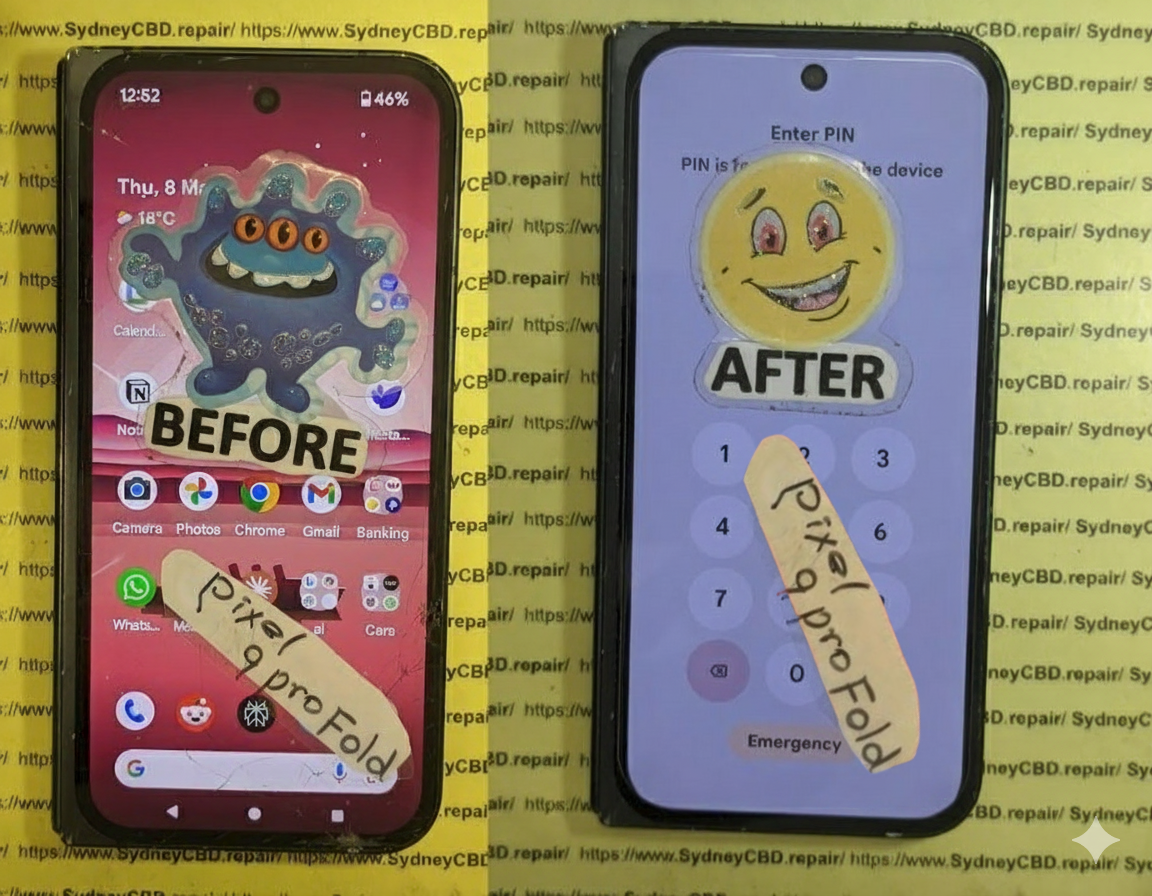
Can We Fix It? Reviving a Water Damaged Pixel 9 Pro Fold XL – Amazing 9-Step Recovery Guide
Introduction
Modern foldable smartphones are engineering masterpieces. The water damaged Pixel 9 Pro Fold XL combines a premium folding OLED display, advanced cameras, artificial intelligence features, and sophisticated internal hardware into one slim device. While it offers excellent durability compared to previous generations, liquid exposure remains one of the biggest threats to its lifespan.
Many owners assume that because their phone has an IP rating, it can survive almost any encounter with water. Unfortunately, that’s not true. Even a small amount of moisture can begin damaging sensitive electronic components within minutes. Saltwater, coffee, soft drinks, swimming pools, rain, and even steam can create problems that become worse over time.
The encouraging news is that not every water damaged Pixel 9 Pro Fold XL is beyond repair. Professional technicians equipped with the proper tools, cleaning equipment, and diagnostic systems can often restore devices that appear completely lifeless.
In this guide, we’ll explain exactly what happens inside your phone after liquid exposure, why acting quickly matters, and how professional repair dramatically increases the chances of a successful recovery.
Liquid damage doesn’t simply stop at the surface. Once moisture enters the phone, it begins affecting numerous components simultaneously.
Unlike traditional smartphones, foldable devices contain additional moving parts, flexible display connectors, hinge assemblies, multiple protective seals, and delicate ribbon cables. Every one of these components creates another possible pathway for moisture intrusion.
That makes a water damaged Pixel 9 Pro Fold XL significantly more complicated to repair than older smartphones.
Why Foldable Phones Are More Vulnerable
Although Google’s engineers designed the Fold XL to withstand everyday use, foldable technology naturally introduces additional engineering challenges.
Some vulnerable areas include:
Flexible OLED display connectors
Internal hinge mechanisms
Multiple ribbon cables
Dual battery configuration
Precision adhesive seals
Internal microphones
Speakers
USB-C charging assembly
Water doesn’t need a large opening.
Even microscopic gaps can allow moisture to travel deep into the phone through capillary action.
Once inside, corrosion begins almost immediately.
Water Resistance Doesn’t Mean Waterproof
One of the biggest misconceptions involves IP ratings.
An IP rating means a phone was tested under controlled laboratory conditions using fresh water. Real-world accidents rarely happen under laboratory conditions.
Consider these common scenarios:
Swimming pool chemicals
Ocean saltwater
Soap residue
Rain driven by wind
Coffee spills
Soft drinks
Beer
Sweat during exercise
Humid bathrooms
Each liquid behaves differently.
Many contain minerals or contaminants that greatly accelerate corrosion.
Even if your water damaged Pixel 9 Pro Fold XL initially appears to function normally, hidden corrosion may continue developing over the following days or weeks.
Hidden Damage Often Appears Later
Many customers tell technicians:
“It worked perfectly yesterday.”
That’s actually common.
After liquid exposure, symptoms may appear gradually, including:
Random shutdowns
Display flickering
Green screen
Black screen
Touch failure
Face Unlock issues
Camera fogging
Charging failures
Overheating
Speaker distortion
Battery drain
Corrosion continues spreading long after the original accident unless professionally cleaned.
Your actions during the first half-hour can determine whether your phone requires a simple cleaning or an expensive motherboard repair.
Many well-intentioned DIY attempts actually increase the damage.
Let’s examine what should—and shouldn’t—be done.
Mistake #1: Continuing to Use the Phone
The biggest mistake is assuming:
“It’s still working, so it’s probably okay.”
Using a water damaged Pixel 9 Pro Fold XL while moisture remains inside allows electricity to flow across contaminated circuits.
That causes:
Short circuits
Burned components
Permanent motherboard failure
Damaged display connectors
Battery issues
If liquid has entered the phone, power should be turned off immediately.
Mistake #2: Charging the Device
Many users notice low battery after the accident.
Their first instinct?
Plug it into a charger.
Unfortunately, this is one of the fastest ways to destroy the charging circuitry.
Electric current and moisture are a dangerous combination.
Professional technicians always recommend avoiding:
Wired charging
Wireless charging
Fast charging
Power banks
until the phone has been professionally inspected.
Mistake #3: Putting It in Rice
The “rice trick” has become one of the internet’s most persistent myths.
Rice cannot:
Remove corrosion
Dry moisture trapped beneath chips
Eliminate minerals
Clean contaminated circuits
Prevent oxidation
Instead, rice may introduce dust and starch particles into charging ports and speaker openings.
Professional repair centres never rely on rice.
Instead, they disassemble the phone, remove moisture mechanically, clean affected components using specialised solutions, and inspect every circuit under magnification.
Mistake #4: Using a Hair Dryer
Heat causes several additional problems.
High temperatures may:
Warp the OLED display
Damage waterproof seals
Soften adhesives
Push moisture deeper inside
Harm battery chemistry
Likewise, compressed air can drive water further into connectors instead of removing it.
Gentle drying of the phone’s exterior is fine, but internal drying requires professional equipment.
What You Should Do Instead
If your water damaged Pixel 9 Pro Fold XL has been exposed to liquid, follow these steps immediately:
Turn the phone off.
Disconnect all charging cables.
Remove any protective case.
Dry the exterior with a lint-free cloth.
Keep the device unfolded if possible.
Do not press unnecessary buttons.
Do not attempt charging.
Avoid shaking the device.
Take it to a professional repair technician as soon as possible.
Time is one of the biggest factors affecting successful recovery.
The sooner corrosion is removed, the greater the chance that expensive components can be saved.
Many people believe water damage simply “dries out.”
Unfortunately, electronics don’t work that way.
The real enemy isn’t always the water itself.
It’s what remains behind after the water evaporates.
Minerals, salts, sugars, cleaning chemicals, chlorine, and other contaminants remain on electronic circuits. These residues begin reacting with electricity and metal almost immediately, producing corrosion that slowly destroys microscopic pathways on the motherboard.
For a water damaged Pixel 9 Pro Fold XL, this process can affect nearly every internal system. Because foldable phones use tightly packed components connected by flexible ribbon cables, even a tiny amount of corrosion can interrupt communication between essential hardware.
Professional technicians often discover multiple affected areas from what seemed like a small spill.
Some of the first components inspected include:
Component
Possible Water Damage Symptoms
OLED Inner Display
Flickering, black screen, green tint
Outer Display
Touch issues, display artifacts
Battery
Rapid drain, overheating, swelling
Charging Port
Slow charging, no charging, intermittent connection
Cameras
Foggy lenses, autofocus failure
Speakers
Muffled or distorted sound
Microphones
Poor call quality
Motherboard
Random restarts, complete failure
Flex Cables
Display disconnects, touch failure
The challenge is that these issues don’t always appear immediately. Some develop over several days as corrosion spreads, which is why early professional cleaning remains the best defence against permanent damage.
Professional Diagnostic Process
When a water damaged Pixel 9 Pro Fold XL arrives at a professional repair centre, technicians don’t immediately replace parts. Instead, they follow a structured diagnostic process designed to identify both visible and hidden damage. This careful approach prevents unnecessary repairs and increases the likelihood of restoring the device while preserving valuable data.
Unlike DIY repair attempts, professional diagnostics rely on specialised tools, precision equipment, and years of experience working with delicate foldable smartphones.
Step 1: External Inspection
The first step is a detailed visual inspection.
Technicians check for:
Signs of liquid entry around the SIM tray
Moisture near the USB-C charging port
Speaker and microphone openings
Display abnormalities
Hinge movement
Physical impact damage
Bent frame sections
Cracked glass
These initial observations often provide clues about where the liquid entered the phone.
Step 2: Safe Device Disassembly
Foldable phones are significantly more challenging to open than standard smartphones.
Improper disassembly can damage:
Flexible OLED display
Internal display cables
Waterproof adhesive seals
Hinge components
Battery connections
Professional technicians use specialised heating equipment, precision opening tools, and manufacturer-approved procedures to safely access the internal components without causing additional damage.
Step 3: Internal Moisture Assessment
Once opened, technicians inspect every major component.
Particular attention is given to:
Motherboard
Battery connectors
Display flex cables
Charging circuitry
Camera modules
Wireless charging coil
Hinge assembly
Liquid contact indicators
These indicators help determine how extensively the liquid has spread throughout the device.
Step 4: Microscope-Level Inspection
Many forms of corrosion are invisible to the naked eye.
Professional repair centres use high-powered microscopes to inspect:
Integrated circuits (ICs)
Power management chips
Display connectors
Capacitors
Micro solder joints
Charging ICs
This level of precision allows technicians to locate damaged areas that would otherwise go unnoticed.
Step 5: Ultrasonic Cleaning
One of the most important stages in repairing a water damaged Pixel 9 Pro Fold XL is ultrasonic cleaning.
The motherboard is carefully cleaned using professional electronic-safe cleaning solutions inside an ultrasonic cleaner. This process removes:
Corrosion
Mineral deposits
Salt residue
Dirt particles
Oxidation
Unlike household cleaning methods, ultrasonic cleaning reaches beneath chips and into microscopic spaces where corrosion often hides.
Step 6: Drying and Component Testing
After cleaning, all components are thoroughly dried using controlled equipment.
Technicians then test:
Power rails
Battery voltage
Charging current
Display output
Camera operation
Speaker function
Touch response
Wireless charging
Network connectivity
Wi-Fi and Bluetooth
Only after confirming the integrity of each subsystem will the device be reassembled.
Common Components That May Require Replacement
Not every water-damaged component can be restored through cleaning alone. Depending on the extent of the damage, one or more parts may need replacement.
Component
Possible Repair
OLED Display
Replace if permanently damaged
USB-C Charging Port
Replace charging assembly
Battery
Install a new genuine battery
Cameras
Replace affected camera module
Loudspeaker
Install new speaker
Microphone
Replace damaged microphone
Flex Cables
Replace faulty ribbon cables
Motherboard Components
Microsoldering or IC replacement
Professional technicians always aim to preserve the original hardware whenever possible, especially if replacing it isn’t necessary.
Can Every Water Damaged Pixel 9 Pro Fold XL Be Saved?
One of the most common questions customers ask is whether every water damaged Pixel 9 Pro Fold XL can be repaired.
The honest answer is: not always—but many can be saved.
The outcome depends on several factors, including:
How much liquid entered the phone
The type of liquid involved
Whether the phone remained powered on
How quickly professional treatment began
The extent of corrosion
Whether the motherboard has suffered electrical shorts
Fresh water generally causes less long-term damage than saltwater or sugary drinks, which leave behind conductive residues that accelerate corrosion.
Even phones that appear completely dead may still be recoverable if the damage is addressed promptly.
Factors That Improve Repair Success
Several conditions significantly increase the chances of a successful repair:
The phone was switched off immediately.
It wasn’t connected to a charger after the incident.
No DIY repair attempts were made.
The device was professionally cleaned within 24 to 48 hours.
Corrosion had not reached critical integrated circuits.
These factors can often make the difference between a straightforward repair and an irreparable motherboard failure.
When Repair May Not Be Possible
In some cases, the damage is simply too extensive.
Examples include:
Severe motherboard corrosion
Multiple burned integrated circuits
Delaminated OLED display
Battery thermal damage
Extensive saltwater exposure over several days
Physical damage combined with liquid intrusion
Even in these situations, professional technicians may still be able to recover important data before recommending device replacement.
Repair vs Replacement: Which Is the Better Option?
Deciding whether to repair or replace a water damaged Pixel 9 Pro Fold XL depends on several practical considerations.
Repair Is Often the Better Choice When:
The motherboard is recoverable.
The display remains functional.
Your data is valuable.
The phone is relatively new.
Only a few components require replacement.
Repairing the original device is often more cost-effective than purchasing a brand-new premium foldable smartphone.
Replacement May Be Necessary When:
The motherboard is beyond repair.
Both displays are destroyed.
The repair cost approaches the price of a replacement device.
Multiple critical components have failed simultaneously.
A professional diagnostic assessment provides the information needed to make an informed decision.
Data Recovery Considerations
For many users, the data stored on the phone is more valuable than the hardware itself.
Photos, videos, contacts, business documents, and personal memories can often be recovered if the motherboard can be temporarily restored to working condition.
This is another reason to avoid DIY repair attempts, as they can reduce the chances of successful data recovery.
Professional technicians prioritise data preservation whenever possible before proceeding with more extensive repairs.
Why Professional Repair Matters
Foldable smartphones represent some of the most advanced consumer electronics available today. Repairing them requires specialised tools, technical expertise, and an understanding of their unique internal design.
Attempting to repair a water damaged Pixel 9 Pro Fold XL without the proper equipment can result in:
Torn display cables
Damaged hinge mechanisms
Broken OLED panels
Further motherboard damage
Loss of waterproof sealing
Reduced chances of successful data recovery
Choosing an experienced repair centre gives your device the best opportunity for a full recovery while minimising the risk of additional damage.
Preventing Future Water Damage
While professional repair can often save a water damaged Pixel 9 Pro Fold XL, prevention is always the most cost-effective solution. Foldable smartphones are built with impressive engineering, but no electronic device is completely immune to liquid damage.
By following a few practical habits, you can significantly reduce the risk of expensive repairs.
Keep Your Phone Away from High-Risk Environments
Many liquid damage cases don’t happen because someone drops a phone into a pool. Instead, they occur during everyday activities.
Common situations include:
Using the phone in heavy rain
Placing it beside a sink
Taking it into the bathroom while showering
Leaving it near beverages at cafés or restaurants
Using it around swimming pools
Carrying it during water sports
Avoiding these scenarios whenever possible can dramatically reduce the chances of accidental exposure.
Remember That Water Resistance Changes Over Time
The factory seals that help protect your phone gradually wear down through normal use.
Factors that affect water resistance include:
Daily opening and closing of the foldable hinge
Minor drops or impacts
Exposure to heat
Previous repairs
Normal ageing of adhesive seals
Even if your Pixel 9 Pro Fold XL survived water exposure in the past, it may not provide the same level of protection months or years later.
Use Protective Accessories
Although accessories cannot make your phone waterproof, they can help minimise risk.
Consider using:
A quality protective case
Waterproof pouch for beach trips
Dry bags during boating or hiking
Screen protectors
Dust plugs when appropriate
These accessories add another layer of defence against accidental spills and splashes.
Back Up Your Data Regularly
Even the best repair cannot guarantee data recovery in every situation.
Protect your memories and important files by enabling automatic cloud backups.
Regularly back up:
Photos
Videos
Contacts
Messages
Documents
App data
If the unexpected happens, you’ll still have access to your important information.
Frequently Asked Questions
1. Can a water damaged Pixel 9 Pro Fold XL be completely repaired?
Yes, many devices can be successfully repaired, especially if they are turned off immediately and professionally cleaned before corrosion becomes severe. The outcome depends on the amount of liquid exposure, the type of liquid, and how quickly the phone receives professional attention.
2. Should I put my Pixel 9 Pro Fold XL in rice?
No.
Rice does not remove corrosion or moisture trapped beneath integrated circuits. It may also introduce dust and starch particles into ports and speakers. Professional disassembly and ultrasonic cleaning are far more effective.
3. My phone still works after getting wet. Should I still have it inspected?
Absolutely.
Hidden corrosion can continue developing even if the phone appears normal. A professional inspection can identify and treat problems before they become permanent.
4. How long should I wait before turning my phone back on?
Do not turn it back on until it has been inspected and properly dried by a qualified technician. Powering on a wet device can create electrical shorts that permanently damage the motherboard.
5. Can water damage affect the folding screen?
Yes.
The flexible OLED display, ribbon cables, and display connectors are all vulnerable to liquid intrusion. Damage may appear as flickering, green lines, black screens, or touch issues.
6. Is repairing a water damaged Pixel 9 Pro Fold XL cheaper than replacing it?
In many cases, yes.
If the motherboard and display can be saved, professional repair is often significantly more affordable than purchasing a brand-new premium foldable smartphone.
7. Can my photos and files still be recovered?
Often, yes.
Even if the phone will not power on, experienced technicians may be able to restore the motherboard temporarily or repair specific circuits to recover important data. The sooner the device is professionally assessed, the better the chances of successful recovery.
8. Does Google’s warranty cover water damage?
Generally, accidental liquid damage is not covered under the standard manufacturer’s warranty. If liquid contact indicators have been triggered or corrosion is present, repairs are typically considered out-of-warranty.
Conclusion
A water damaged Pixel 9 Pro Fold XL doesn’t automatically mean the end of your device. Thanks to advances in professional diagnostics, ultrasonic cleaning, and motherboard-level repair techniques, many phones that appear beyond saving can be restored to full working order.
The key is acting quickly. Turning the phone off immediately, avoiding charging, resisting common DIY myths like placing it in rice, and seeking professional assistance as soon as possible can dramatically improve the chances of a successful repair.
Foldable smartphones are among the most sophisticated mobile devices ever created. Their intricate internal design demands specialised tools, technical expertise, and careful handling. Whether the issue is minor moisture exposure or significant liquid intrusion, an experienced repair technician can accurately assess the damage, recommend the most cost-effective solution, and maximise the likelihood of preserving both your device and your valuable data.
If your Pixel 9 Pro Fold XL has suffered water damage, don’t wait for corrosion to spread. Early intervention is often the difference between a straightforward repair and an expensive replacement. Trust skilled professionals who understand the complexities of foldable smartphones and are equipped to return your device to peak performance.
Final Thoughts
Water accidents happen to everyone, but they don’t always have to result in losing your phone. Prompt action, informed decisions, and professional repair services can make all the difference. By understanding the risks, avoiding common mistakes, and prioritising expert diagnostics, you’ll give your Pixel 9 Pro Fold XL the best possible chance of recovery and many more years of reliable use.
David from Sydney CBD Repair Centre – The Best place to fix mobile phones as 7 Years In A Row! Top Mobile Phone Repair In Sydney. More than 2000 Positive Reviews on Google and Same Day Repairs.
We take pride in delivering exceptional repair services for all major phone brands including Apple, Samsung, Google, and more. Our expert technicians use only genuine parts and offer 90 days warranty on repairs. Located in the heart of Sydney CBD, we’re your one-stop solution for all mobile device repairs.
Our commitment to excellence has earned us the trust of thousands of satisfied customers. Whether it’s a cracked screen, battery replacement, or water damage repair, we handle it all with professional care and expertise. Walk in today and experience why we’re Sydney’s #1 choice for mobile phone repairs.
Visit us for:
✓ Same Day Express Repairs
✓ Genuine Parts Guarantee
✓ Professional Technicians
✓ Competitive Pricing
✓ 2000+ 5-Star Google Reviews
✓ 7-Time Award Winner for Best Phone Repairs
Sydney CBD Repair Centre – Where Quality Meets Reliability.
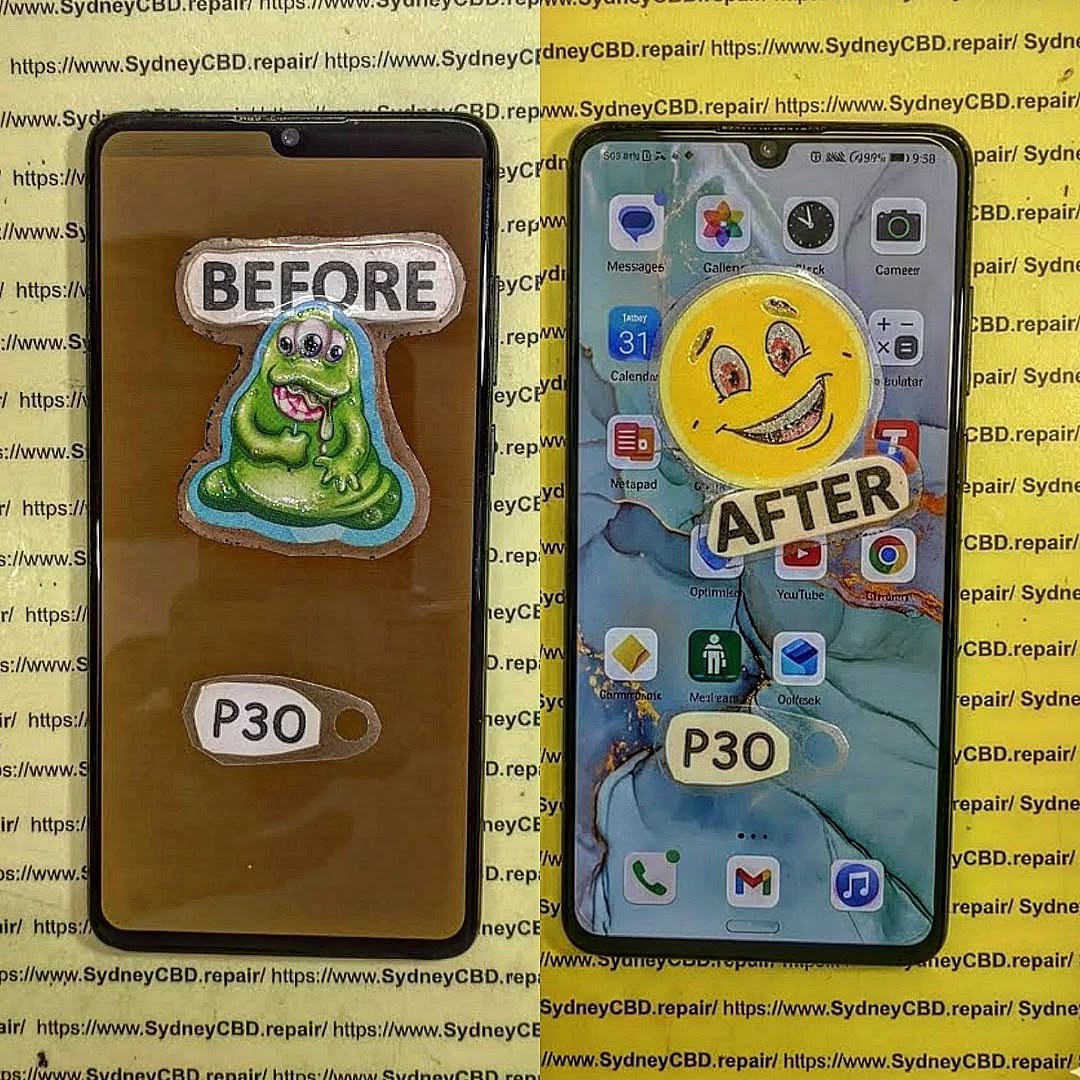
The complete restoration of a water damaged Huawei phone’s using ultrasonic cleaning and component replacement + Proven 7-Step Recovery Method
Introduction to Water Damaged Huawei Restoration
Complete restoration of a water damaged Huawei using ultrasonic cleaning and component replacement is not just a repair — it’s a meticulous recovery process designed to bring your device back to life. When liquid enters a smartphone, damage begins almost instantly. Corrosion forms, circuits short out, and critical components fail.
Many users panic. Some try rice. Others attempt to power the phone back on. Unfortunately, these actions often make things worse.
Huawei smartphones, including popular models like the Huawei P30 Pro and Huawei Mate 50 Pro, are advanced devices packed with delicate micro-components. Even minor exposure to moisture can disrupt the motherboard.
However, here’s the good news: with professional ultrasonic cleaning and component replacement, full recovery is often possible.
In this guide, we’ll walk through the proven 7-step recovery method professionals use to restore water damaged Huawei devices safely and effectively.
The first 24–48 hours are critical. Corrosion spreads quickly. According to electronics repair standards and technical insights shared by professional repair communities such as Sydney CBD Repair Centre, immediate internal cleaning significantly increases recovery success rates.
Complete restoration of a water damaged Huawei using ultrasonic cleaning and component replacement works best when corrosion hasn’t permanently eaten through copper traces.
Professional labs use:
Anti-static workstations
Microsoldering equipment
Ultrasonic cleaning tanks
High-powered microscopes
Without proper tools, DIY attempts can cause irreversible motherboard damage.
Step 1: Initial Diagnostic Assessment
The restoration process begins with a full diagnostic test.
Technicians check:
Battery voltage
Short circuits on the logic board
Power management IC status
Charging port condition
Screen integrity
Advanced diagnostic tools measure resistance values across motherboard rails. This identifies which circuits have shorted.
Documentation is essential. Each damaged area is photographed before cleaning begins.
Step 2: Safe Disassembly of Huawei Device
Huawei phones use strong adhesive seals. Opening them requires precision heating tools and thin pry instruments.
Improper opening can:
Crack the OLED screen
Tear fingerprint sensor cables
Damage antenna lines
Professional technicians carefully:
Remove back glass.
Disconnect battery.
Separate motherboard.
Label each component.
This organized method prevents reassembly errors later.
Step 3: Ultrasonic Cleaning Process Explained
Now comes the heart of the process — ultrasonic cleaning.
Why Ultrasonic Cleaning Works
Ultrasonic cleaning uses high-frequency sound waves in a special solution. These waves create microscopic bubbles through a process called cavitation.
When bubbles collapse, they remove:
Corrosion
Mineral deposits
Liquid residue
Oxidation buildup
Complete restoration of a water damaged Huawei using ultrasonic cleaning and component replacement relies heavily on this technology.
The motherboard is submerged in a controlled cleaning solution. Timing is critical. Too long can loosen components. Too short won’t remove corrosion fully.
After cleaning, boards are dried in a temperature-controlled environment.
Step 4: Component-Level Inspection
After ultrasonic cleaning, technicians inspect the motherboard under a microscope.
They look for:
Burned IC chips
Corroded capacitors
Damaged resistors
Broken traces
Advanced microsoldering tools allow precise removal of damaged components.
This stage requires expertise. A steady hand and deep understanding of circuit schematics are essential.
Step 5: Replacement of Damaged Components
If corrosion has destroyed components, replacement is mandatory.
Common replacements include:
Power Management IC (PMIC)
Charging IC
Audio IC
Display drivers
Capacitors and coils
Each component is soldered using:
Hot air rework stations
Lead-free solder
Precision flux
After replacement, circuits are tested again for proper voltage flow.
This is where experience matters most. Guesswork isn’t acceptable.
Step 6: Reassembly and Waterproof Sealing
Once repairs are complete:
New adhesive is applied.
Battery is reconnected.
Screen is tested before sealing.
Waterproof gasket is replaced.
While factory-level IP rating may not be fully restored, high-quality adhesive ensures strong protection.
Step 7: Final Testing and Quality Assurance
Before returning the phone to the customer, technicians perform:
Charging tests
Wi-Fi signal tests
Camera inspection
Speaker and microphone checks
Stress performance tests
Overnight monitoring
Complete restoration of a water damaged Huawei using ultrasonic cleaning and component replacement isn’t finished until all systems pass.
Cost vs Replacement: Is Restoration Worth It?
Here’s a practical comparison:
Factor
Restoration
Buying New
Cost
30–60% of new device
100%
Data Retention
Yes
Often lost
Environmental Impact
Low
High
Turnaround Time
1–2 days
Immediate but costly
For premium Huawei models, restoration is usually more economical.
Preventing Future Water Damage
Let’s be honest — accidents happen. Still, prevention helps.
Tips include:
Use waterproof pouches at the beach.
Avoid charging in humid bathrooms.
Replace worn-out back glass.
Don’t ignore cracked screens.
Store phone away from liquids.
A little caution goes a long way.
Frequently Asked Questions (FAQs)
1. Can a water damaged Huawei phone be fully repaired?
Yes, if corrosion hasn’t destroyed critical circuits. Complete restoration of a water damaged Huawei using ultrasonic cleaning and component replacement offers high success rates when handled early.
2. How long does the restoration process take?
Typically 1–3 days depending on severity.
3. Is ultrasonic cleaning safe for motherboards?
Yes. When performed professionally, it removes corrosion without damaging components.
4. Should I put my Huawei in rice?
No. Rice doesn’t remove corrosion. It only absorbs surface moisture.
5. Will my data be saved?
In many cases, yes. Professional restoration prioritizes data recovery.
6. Is it cheaper than buying a new phone?
Often yes, especially for high-end models.
Conclusion
Complete restoration of a water damaged Huawei using ultrasonic cleaning and component replacement is a powerful, proven solution. Rather than giving up on your device, professional intervention can restore functionality, preserve data, and save money.
With the right tools, experience, and methodical processes, even severely water-damaged Huawei smartphones can return to life.
David from Sydney CBD Repair Centre – The Best place to fix mobile phones as 7 Years In A Row! Top Mobile Phone Repair In Sydney. More than 2000 Positive Reviews on Google and Same Day Repairs.
We take pride in delivering exceptional repair services for all major phone brands including Apple, Samsung, Google, and more. Our expert technicians use only genuine parts and offer 90days warranty on repairs. Located in the heart of Sydney CBD, we’re your one-stop solution for all mobile device repairs.
Our commitment to excellence has earned us the trust of thousands of satisfied customers. Whether it’s a cracked screen, battery replacement, or water damage repair, we handle it all with professional care and expertise. Walk in today and experience why we’re Sydney’s #1 choice for mobile phone repairs.
Visit us for:
✓ Same Day Express Repairs
✓ Genuine Parts Guarantee
✓ Professional Technicians
✓ Competitive Pricing
✓ 2000+ 5-Star Google Reviews
✓ 7-Time Award Winner for Best Phone Repairs
The Extreme Phone Restoration Reviving a Water-Damaged Pixel’s Phone: Reviving a Water-Damaged Pixel – 7 Proven Steps
Water damage can strike even the most advanced smartphones, and Google Pixel devices are no exception. Whether your Pixel fell into a pool, got caught in a downpour, or accidentally met a kitchen sink, panic often follows. But don’t despair! With the right steps, you can maximize your Pixel’s chances of survival. In this guide, we’ll walk through the proven techniques to revive a water-damaged Pixel safely and effectively.
Introduction to Water Damage in Smartphones
Smartphones are engineered to be resilient, but water exposure remains one of the leading causes of permanent damage. Google Pixel models, while often marketed with water resistance (IP68 in recent models), are still vulnerable if submerged too long or exposed to certain liquids like saltwater or sugary beverages. Immediate action can make the difference between a functional device and a paperweight.
Not all Pixels are created equal. Different models have varying degrees of water resistance, which diminishes over time as seals wear out.
Pixel 2/3/3a: Limited water resistance; exposure can be risky.
Pixel 4/4a/5: IP68 water-resistant up to 1.5 meters for 30 minutes.
Pixel 6/6a/7: Enhanced IP68 rating but still susceptible to corrosion if wet internally.
LSI Keyword: smartphone water damage, Pixel repair, water resistance
Knowing your device’s limits helps you take the correct precautions. Even minor exposure can cause long-term problems like corrosion, battery issues, or short circuits.
Time is critical. Your actions in the first few minutes can save your device.
Powering Down Safely
Never attempt to power on a wet phone. Electricity flowing through wet components can cause permanent short circuits. Immediately turn off the Pixel and avoid pressing any buttons unnecessarily.
Removing External Accessories
Take out the SIM card, SD card (if applicable), headphones, and cases. Water trapped under cases or in headphone jacks can exacerbate damage.
Drying Techniques: Dos and Don’ts
How you dry your Pixel matters immensely.
Air Drying vs. Silica Gel Packs
Method
Pros
Cons
Air Drying
Free, no special tools
Slow, may leave moisture inside
Silica Gel Packs
Absorbs moisture efficiently, safe
Needs multiple packets for deep drying
Avoid Rice – Why It Doesn’t Work
Despite popular belief, rice is not an effective drying agent. It absorbs some moisture but cannot reach internal components. Worse, rice dust can enter ports, causing more harm.
Disassembling Your Pixel for Deep Drying
If air drying or silica gel isn’t enough, partial disassembly can help water escape from hard-to-reach areas.
Tools Needed for Disassembly
Small screwdrivers (Phillips, Torx)
Plastic prying tools
Anti-static wrist strap
Step-by-Step Pixel Teardown
Power off the device.
Remove the SIM tray.
Unscrew back panel screws carefully.
Lift the back cover using a plastic prying tool.
Detach the battery and internal connectors.
Place components on a dry, clean surface.
Note: Only proceed if comfortable with electronics; otherwise, seek professional help.
Cleaning Internal Components
Water exposure can leave residues, leading to corrosion over time.
Using Isopropyl Alcohol
Use 90–99% isopropyl alcohol.
Gently brush connectors and circuit boards to remove deposits.
Avoid aggressive scrubbing that may damage components.
Inspecting for Short Circuits
Look for green or white residue (signs of corrosion). Use a magnifying glass for small areas. Cleaning thoroughly can prevent future malfunctions.
Testing and Reassembly
Once dried and cleaned, it’s time to test the Pixel.
Initial Power-On Test
Connect the battery carefully.
Power on the device in a safe, controlled environment.
If it doesn’t start, wait 24 hours for further drying.
Reinstalling Components
Replace connectors securely.
Reattach back panel and screws.
Insert SIM card and test functions: display, touchscreen, speakers, and cameras.
Professional Repair vs. DIY
DIY can save money, but professional repair ensures safety and warranty compliance. Sydney CBD Repair Centre, for example, provides same-day water damage restoration using genuine parts and offers a 90-day warranty.
DIY: Low cost, risk of errors.
Professional: Expertise, guaranteed results, less stress.
Be mindful that IP ratings do not guarantee total protection.
FAQs
Q1: Can a water-damaged Pixel fully recover?
A1: Yes, if addressed immediately. Drying, cleaning, and testing can restore full functionality.
Q2: How long should I wait before powering on a wet Pixel?
A2: Minimum 24–48 hours for thorough drying.
Q3: Is professional repair always necessary?
A3: Not always, but it reduces risk of permanent damage.
Q4: Can rice help in water damage?
A4: No. Rice is largely ineffective and can introduce debris.
Q5: What liquids are most harmful?
A5: Saltwater, sugary drinks, and alcohol-based liquids accelerate corrosion.
Q6: Will insurance cover water damage?
A6: Depends on your policy. Many warranties exclude liquid damage.
Conclusion
Reviving a water-damaged Pixel is challenging but achievable. Immediate action, proper drying techniques, careful disassembly, and professional support all increase success rates. With patience and expertise, your Pixel can return to optimal performance. Remember: prevention is always better than restoration.
David from Sydney CBD Repair Centre – The Best place to fix mobile phones as 6 Years In A Row! Top Mobile Phone Repair In Sydney. More than 2000 Positive Reviews on Google and Same Day Repairs.
📍 Visit us today for:
✓ Same Day Express Repairs
✓ Genuine Parts Guarantee
✓ Professional Technicians
✓ Competitive Pricing
✓ 2000+ 5-Star Google Reviews
✓ 6-Time Award Winner for Best Phone Repairs
Smartphones have become indispensable in our daily lives, keeping us connected, organized, and entertained. But despite their sleek designs and advanced technology, these devices remain highly vulnerable to water damage. Whether it’s a sudden spill, a drop in the sink, or an unexpected downpour, water exposure can threaten your phone’s functionality in an instant.
Many users panic when their phone gets wet, often making mistakes that worsen the damage. Understanding how water affects your device, knowing immediate steps to take, and being aware of professional repair options can mean the difference between salvaging your phone and facing a costly replacement.
In this guide, “Beyond the Screen: Reviving Water-Damaged Phones, Step-by-Step – 12 Proven Techniques,” we’ll explore practical strategies to rescue water-damaged phones. From first-aid measures and drying techniques to advanced repair solutions and preventive tips, this article provides a comprehensive roadmap to bring your phone back to life. Whether you’re a DIY enthusiast or considering professional help, you’ll learn actionable methods to protect your device and extend its lifespan.
By following these expert-backed steps, you’ll gain the confidence to handle water emergencies efficiently, reduce repair costs, and avoid common pitfalls that many phone owners encounter. Dive in and discover how to revive your phone beyond just the screen—because when it comes to water damage, timing and technique are everything.
Water damage is a nightmare for any smartphone owner. From accidental spills to submersion in water, phones are highly vulnerable due to their intricate electronic components. Understanding the types of water damage can save your device and prevent permanent failure.
Water damage typically occurs in three forms: light moisture exposure, partial immersion, and full submersion. Each type affects the phone differently. Light moisture may only damage buttons or ports, while full submersion often damages the motherboard and battery.
Many people fall for myths such as “letting the phone dry naturally for 24 hours is enough” or “rice always saves phones.” In reality, improper handling often worsens the damage. Early action combined with correct techniques is crucial.
The first step is critical. Turning on a wet phone can create short circuits, permanently damaging components. Power off immediately and avoid charging or pressing buttons unnecessarily.
Remove SIM, SD Cards, and Battery
If your device allows, remove the SIM card, SD card, and battery. These components can trap moisture and increase corrosion risk. Place them on a dry cloth to prevent further exposure.
Drying Techniques That Work
Drying a phone is a delicate process. Common methods include:
Air Drying: Place the phone in a well-ventilated area; avoid heat sources like hairdryers as they can warp components.
Silica Gel: A far more effective option than rice, silica packets absorb moisture quickly.
Rice Method: Popular but less effective; rice can introduce dust particles inside the device.
Each method has pros and cons, but immediate action within the first few hours dramatically increases survival chances.
Assessing the Damage
Signs of Water Damage
Recognize early signs: flickering screen, unresponsive buttons, distorted audio, or random shutdowns. These indicate internal corrosion or short-circuiting.
Using Water Damage Indicators
Most smartphones have Liquid Damage Indicator (LDI) stickers. A red or pink sticker means the device has been exposed to liquid. Checking the LDI helps technicians estimate repair complexity and potential warranty impact.
Advanced Repair Techniques
Disassembly and Cleaning
Professional repair often involves carefully disassembling the phone to clean affected areas. Using isopropyl alcohol, technicians remove residue and corrosion from circuit boards without causing further damage.
Ultrasonic Cleaning
For severe corrosion, ultrasonic cleaning is highly effective. It uses high-frequency vibrations in a liquid solution to remove dirt and oxidation from delicate components.
Component Replacement
Sometimes, replacing water-damaged parts such as the battery, speaker, or display is necessary. Knowing which parts are salvageable prevents unnecessary costs.
Preventive Measures for the Future
Prevention is always better than repair. Consider:
Using waterproof cases
Applying nano-coatings
Avoiding phone use near water or in humid conditions
These steps reduce future risk and extend your phone’s lifespan.
Professional vs DIY Repair
DIY repair can save money but carries risks like voiding warranties or causing permanent damage. Professional repair ensures:
Genuine parts
Proper tools and cleaning solutions
Warranty-backed service
At Sydney CBD Repair Centre, our experts provide safe and efficient water damage repair.
External Resources and Tools
For detailed guidance, Apple Support provides comprehensive instructions for handling water-damaged devices: Apple Support – iPhone Water Damage
Frequently Asked Questions (FAQs)
Q1: How long should I wait before powering on a wet phone?
A1: Wait at least 24–48 hours, preferably after using silica gel or professional drying methods.
Q2: Can rice really save my phone?
A2: Rice may absorb some moisture but is not as effective as silica gel or professional drying.
Q3: Is water damage covered by warranty?
A3: Most warranties do not cover water damage unless the device has official water resistance certification.
Q4: How much does professional repair cost?
A4: Costs vary by damage severity, brand, and parts needed. At Sydney CBD Repair Centre, repairs start from $99.
Q5: Can I prevent corrosion after water exposure?
A5: Yes. Immediate drying, alcohol cleaning, and professional inspection reduce corrosion risks.
Q6: What signs mean my phone is beyond repair?
A6: Irreparable motherboard damage, non-functional display, or battery failure may indicate the device cannot be salvaged.
Conclusion
Water damage doesn’t always mean the end of your phone. Immediate, informed actions, combined with professional repair, can save devices that might otherwise seem lost. Understanding water damage, applying correct drying techniques, and knowing when to seek expert help ensures your phone can survive accidents and continue serving you efficiently.
Remember, time is critical—act fast, handle carefully, and invest in preventive measures to safeguard your investment.
David from Sydney CBD Repair Centre – The Best place to fix mobile phones as 7 Years In A Row! Top Mobile Phone Repair In Sydney. More than 2000 Positive Reviews on Google and Same Day Repairs.
We take pride in delivering exceptional repair services for all major phone brands including Apple, Samsung, Google, and more. Our expert technicians use only genuine parts and offer 90days warranty on repairs. Located in the heart of Sydney CBD, we’re your one-stop solution for all mobile device repairs.
Our commitment to excellence has earned us the trust of thousands of satisfied customers. Whether it’s a cracked screen, battery replacement, or water damage repair, we handle it all with professional care and expertise. Walk in today and experience why we’re Sydney’s #1 choice for mobile phone repairs.
Visit us for:
✓ Same Day Express Repairs
✓ Genuine Parts Guarantee
✓ Professional Technicians
✓ Competitive Pricing
✓ 2000+ 5-Star Google Reviews
✓ 7-Time Award Winner for Best Phone Repairs
Smartphone Water Damage: Beyond Simple Fixes – 7 Proven Solutions to Save Your Device
Introduction
Smartphones have become an essential part of our daily lives, keeping us connected, entertained, and productive. But one of the biggest threats to these valuable devices is water damage. Whether it’s an accidental drop in the sink, exposure to heavy rain, or a spill at the coffee shop, water can quickly seep into your phone and cause irreversible harm if not addressed properly.
Many people believe simple tricks like leaving the phone in rice will solve the issue, but in reality, water damage requires much more careful handling. Modern smartphones may be water-resistant, but no device is completely immune. That’s why understanding what to do immediately after exposure—and when to seek professional help—is crucial.
In this guide, we’ll explore the real dangers of smartphone water damage, proven solutions beyond quick fixes, and expert insights on repair options. By the end, you’ll know how to act fast, avoid costly mistakes, and even prevent future accidents.
Smartphone water damage is one of the most dreaded accidents for phone users. Despite manufacturers promoting water-resistant models, no phone is 100% waterproof. Even a splash of coffee, rain, or an accidental drop in the sink can compromise delicate components inside.
How Water Enters Your Device
Charging ports
SIM/SD card tray
Speaker grills and microphones
Cracks in the screen or casing
Common Signs of Water Damage
Screen flickering or discoloration
Unresponsive touch functions
Distorted audio or microphone issues
Device overheating
Visible corrosion in charging port
Why Quick Action Matters
The first moments after water exposure can determine whether your phone survives. Water quickly seeps into circuits, causing short circuits and corrosion.
Brands like LifeProof and OtterBox provide excellent protection.
Best Practices for Everyday Use
Don’t charge your phone in damp environments.
Avoid taking your device to showers or saunas.
Keep silica gel packs in your bag for emergency drying.
FAQs About Smartphone Water Damage
1. Can a water-damaged phone be completely fixed?
Yes, with professional repair, many phones can be restored to full functionality.
2. How long should I wait before turning my phone back on?
At least 24–48 hours, or until a technician confirms it’s safe.
3. Does rice really fix water-damaged phones?
Not effectively. It absorbs some moisture but can’t reach internal parts.
4. Will my phone’s warranty cover water damage?
Most warranties exclude liquid damage unless you have special coverage.
5. What’s the success rate of water damage repair?
It depends on how quickly you act, but professional repair centers often have high recovery rates.
6. Is it cheaper to repair or replace a water-damaged phone?
Repair is usually cheaper unless the motherboard is completely fried.
Conclusion: Don’t Let Water Damage End Your Smartphone’s Life
Water damage doesn’t have to mean the end of your phone. Acting quickly, avoiding common mistakes, and seeking expert help can make all the difference.
David from Sydney CBD Repair Centre has helped thousands of Sydney locals revive their water-damaged devices. With same-day repairs, genuine parts, and over 2000 5-star Google reviews, they’re the #1 choice for mobile repairs.